Floating Strength: Why Shipping Ropes Are Engineering Marvels
In the vast world of maritime logistics, few components are as overlooked yet as critical as shipping ropes. These unassuming strands of synthetic fiber or steel are the unsung heroes of global trade, anchoring vessels, securing cargo, and braving the harshest marine environments. But beneath their rugged exterior lies a story of innovation, precision, and engineering brilliance. Welcome to the world of shipping ropes—where floating strength meets cutting-edge science.
The Hidden Backbone of Maritime Operations
Shipping ropes are not just tools—they’re lifelines. Every year, over 11 billion tons of cargo move across oceans, and ropes play a pivotal role in ensuring this movement is safe and efficient. Whether it’s mooring a 200,000-ton container ship or towing offshore rigs, ropes must endure extreme tension, saltwater corrosion, UV radiation, and mechanical abrasion.
According to the International Maritime Organization, rope failure is among the top causes of mooring accidents, which cost the industry millions annually. Therefore, the demand for high-performance ropes has never been greater.
Materials That Defy the Elements
The strength of a shipping rope begins with its material. Gone are the days of hemp and sisal. Today’s ropes are crafted from synthetic fibers like:
- Nylon: Offers up to 30% stretch, absorbing shock loads effectively. Ideal for mooring and anchoring.
- Polyester: Low stretch, high UV resistance, and retains strength when wet.
- Polypropylene: Lightweight and floats, but less durable under UV exposure.
- UHMWPE (Ultra-High Molecular Weight Polyethylene): Stronger than steel by weight, with excellent abrasion resistance.
- Aramids (e.g., Kevlar): Exceptional heat resistance and tensile strength.
Each fiber serves a unique purpose. For instance, nylon ropes are preferred in dynamic environments due to their elasticity, while UHMWPE ropes are used in high-load towing operations for their unmatched strength-to-weight ratio.
Engineering the Perfect Rope
Material alone doesn’t make a rope strong. The construction method is equally vital. Rope engineers use various designs to optimize performance:
- Twisted ropes: Traditional, absorb energy well, but prone to unraveling.
- Braided ropes: Offer flexibility and high load-bearing capacity.
- Double-braided ropes: Combine strength and durability, ideal for heavy-duty marine use.
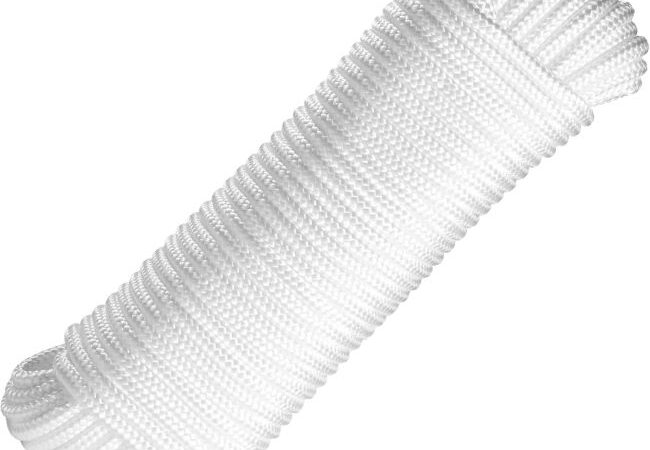
- Kernmantle ropes: Feature a strong core protected by a woven sheath, balancing flexibility and resilience.
Advanced manufacturing techniques like polymer cross-linking and specialized coatings further enhance durability. These coatings protect against UV degradation, moisture, and microbial damage, extending the rope’s lifespan significantly.
Strength Beyond the Surface
Shipping ropes are designed to handle tension fatigue—repeated stress without losing integrity. This is crucial in marine environments where ropes face constant load fluctuations. A well-engineered rope distributes force evenly across its fibers, preventing weak points and premature failure.
For example, a 12-strand braided UHMWPE rope can withstand over 100 tons of tension while remaining lightweight and easy to handle. That’s the kind of strength that keeps oil rigs anchored and cargo ships docked safely.
Durability Meets Sustainability
Durability is non-negotiable, but sustainability is the future. The marine industry is shifting toward eco-friendly rope solutions. Biodegradable coatings, recyclable fibers, and reduced microplastic shedding are now part of rope innovation.
Companies like DSM and Teufelberger are investing in sustainable rope technologies that reduce environmental impact without compromising performance. This shift aligns with global efforts to reduce ocean pollution and carbon footprints.
Real-World Applications That Demand Excellence
Shipping ropes serve in diverse roles:
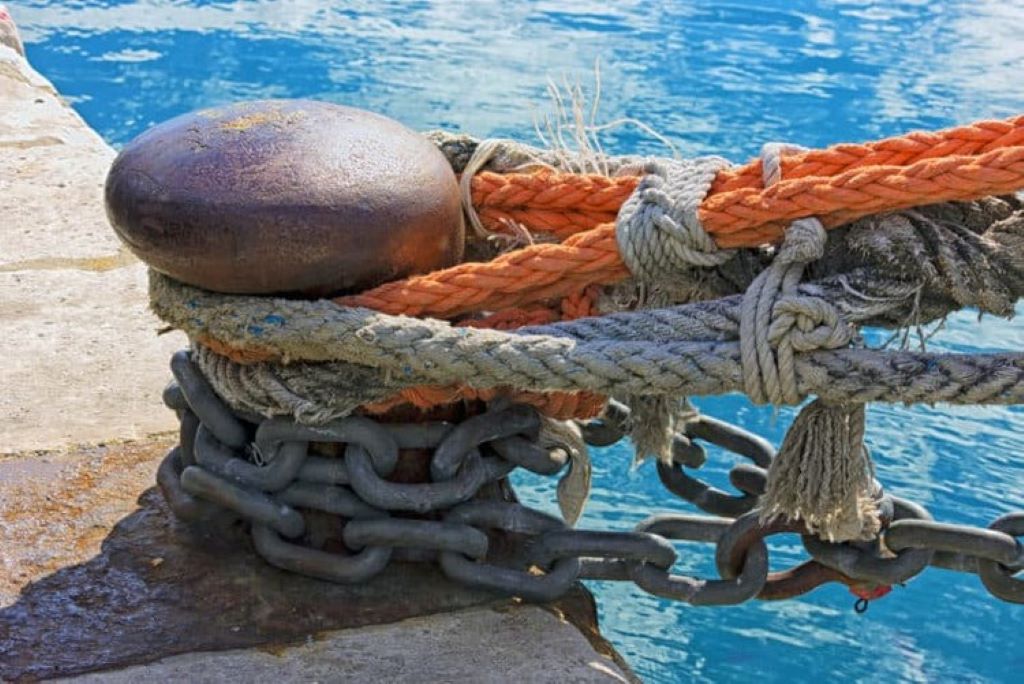
- Mooring: Requires ropes with high elasticity and shock absorption.
- Towing: Demands ultra-strong, abrasion-resistant ropes.
- Rigging and lifting: Needs ropes with minimal stretch and high tensile strength.
- Anchoring: Calls for ropes that resist corrosion and maintain integrity underwater.
Each application has unique stressors, and choosing the right rope is critical. Misapplication can lead to catastrophic failures, endangering lives and cargo.
Expert Opinions and Industry Insights
Marine engineers and rope manufacturers agree: rope selection is both art and science. According to WanderGlobe, the evolution of rope materials and construction has transformed maritime safety and efficiency.
Experts emphasize the importance of regular inspection and maintenance. Even the strongest rope can fail if frayed, kinked, or exposed to chemicals. Investing in quality ropes and proper care pays dividends in safety and operational uptime.
🧠 Featured Snippet: What Makes Shipping Ropes Engineering Marvels?
Shipping ropes are engineering marvels because they combine advanced materials, precise construction, and resilience under extreme conditions. Made from synthetic fibers like UHMWPE and Kevlar, these ropes offer strength-to-weight ratios that rival steel. Their braided or kernmantle designs distribute load evenly, preventing failure. Coatings protect against UV, saltwater, and microbial damage. These ropes endure tension fatigue, making them indispensable in mooring, towing, and anchoring. Their evolution from natural fibers to high-tech synthetics showcases human ingenuity in solving complex maritime challenges.
❓ FAQs
- What is the strongest material used in shipping ropes?
UHMWPE is among the strongest, offering high tensile strength and abrasion resistance. - Do shipping ropes float?
Polypropylene ropes float, while polyester and nylon typically sink unless treated. - How often should marine ropes be replaced?
Depending on usage, ropes should be inspected monthly and replaced every 1–3 years. - Can shipping ropes withstand saltwater corrosion?
Yes, synthetic ropes are designed to resist saltwater, but coatings enhance longevity. - What’s the difference between braided and twisted ropes?
Braided ropes offer better flexibility and load distribution; twisted ropes absorb shock better. - Are eco-friendly shipping ropes available?
Yes, manufacturers now offer recyclable and biodegradable rope options. - How do I choose the right rope for my vessel?
Consider load requirements, environmental exposure, and application type (mooring, towing, etc.).
Final Thought
Shipping ropes may seem simple, but they’re feats of engineering that hold the maritime world together. From synthetic fibers that defy nature to construction techniques that maximize strength, these ropes are built to endure. As sustainability and innovation reshape the industry, the next generation of ropes promises even greater performance with less environmental impact.
Whether you’re a shipowner, marine engineer, or curious enthusiast, understanding the science behind shipping ropes empowers smarter decisions and safer seas.
🚀 Call to Action
Ready to upgrade your marine operations with high-performance ropes? Explore trusted suppliers, compare materials, and invest in ropes that match your needs. Your vessel’s safety—and your bottom line—depends on it.
For deeper insights into rope technology and marine safety, check out Marine-Grade Shipping Ropes by Yifarope and Science Behind Rope Strength by Namah Ropes.
Read More: