How to Select Rope for Safety Harness Systems for Construction Safety Compliance
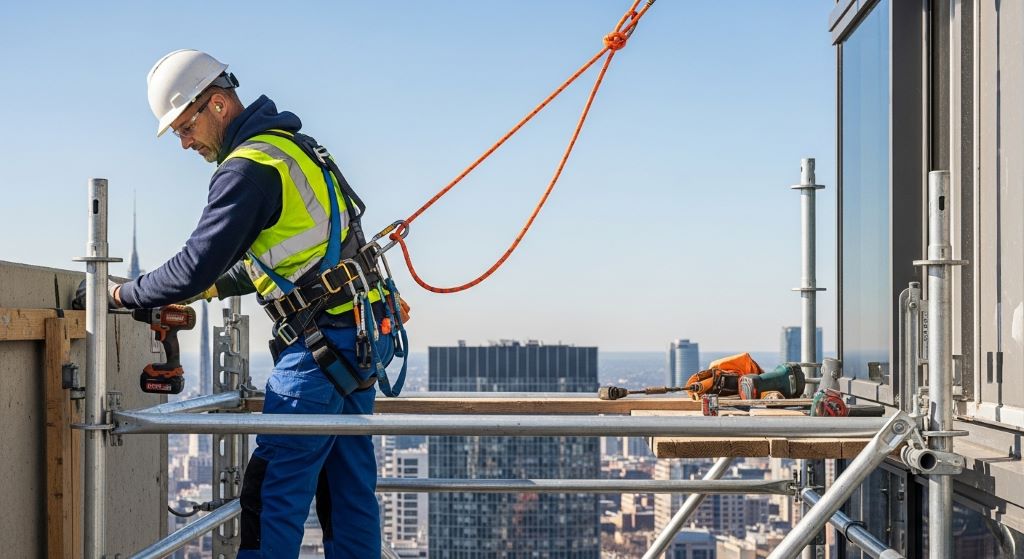
Construction sites are dangerous places. Falls remain one of the leading causes of death in the construction industry worldwide. Therefore, choosing the right rope for your safety harness system is not just a technical decision. It is a life-saving one.
This guide walks you through everything you need to know about selecting rope for safety harness systems. You will learn what to look for, what to avoid, and how to stay compliant with safety regulations.
Why Rope Selection Matters in Fall Protection
Not all ropes are created equal. A rope that works well for a climbing hobby may fail completely in a construction environment. Construction sites expose ropes to sharp edges, chemicals, extreme temperatures, and heavy loads. As a result, the wrong rope can snap, fray, or slip under stress.
Safety harness systems depend on the rope to absorb and transfer energy during a fall. If the rope fails, the harness cannot do its job. Additionally, regulatory bodies like OSHA in the United States set strict standards for fall protection equipment. Non-compliance can lead to fines, project shutdowns, and most importantly, preventable deaths.
Selecting the right rope, therefore, is the foundation of any effective fall protection plan.
Understanding the Types of Rope Used in Safety Systems
Before you choose a rope, you need to understand the main types available. Each type has unique properties that make it suitable for different situations.
Dynamic Rope
Dynamic rope is designed to stretch when loaded. This stretching action absorbs the energy of a fall and reduces the force applied to the worker’s body and the anchor point. Most safety harness systems for construction use dynamic rope because of this energy-absorbing quality.
Dynamic ropes are rated by their fall rating, which tells you how many test falls the rope can survive before it needs to be retired. A higher fall rating means a more durable rope.
Static Rope
Static rope has very little stretch. It is ideal for situations where you need to control movement, such as rescue operations, rope access work, or positioning systems. However, static rope should not be used as a fall arrest rope. The lack of stretch means that, during a sudden fall, the force applied to the worker’s body can be dangerously high.
Semi-Static Rope
Semi-static rope falls between the two. It has a small amount of stretch, which makes it useful for work positioning and travel restraint systems. It is not suitable for free-fall arrest situations.
Key Factors to Consider When Selecting Rope
Now that you understand the types, let us look at the specific factors that should guide your selection.
Material and Fiber Type
The most common materials used in construction safety ropes are nylon, polyester, and high-performance fibers like Dyneema or Technora.
Nylon is the most widely used material. It offers excellent strength, elasticity, and abrasion resistance. However, nylon absorbs water, which can reduce its strength when wet.
Polyester, on the other hand, resists water absorption and UV degradation better than nylon. It is slightly less elastic, but it holds up well in outdoor environments.
High-performance fibers offer exceptional strength at a lighter weight. However, they are generally more expensive and may require special handling.
Diameter
Rope diameter affects both strength and handling. Thicker ropes are generally stronger and more durable. However, they are also heavier and harder to handle over long periods.
For most construction fall arrest applications, ropes between 10mm and 13mm in diameter are standard. Always check the manufacturer’s specifications and the compatibility with your connecting hardware.
Length
The length of the rope must be appropriate for the working height. A rope that is too long can allow a worker to hit the ground before the fall is arrested. Therefore, always calculate your fall clearance distance carefully. This includes the free-fall distance, the rope elongation under load, and the height of the worker.
Certifications and Standards
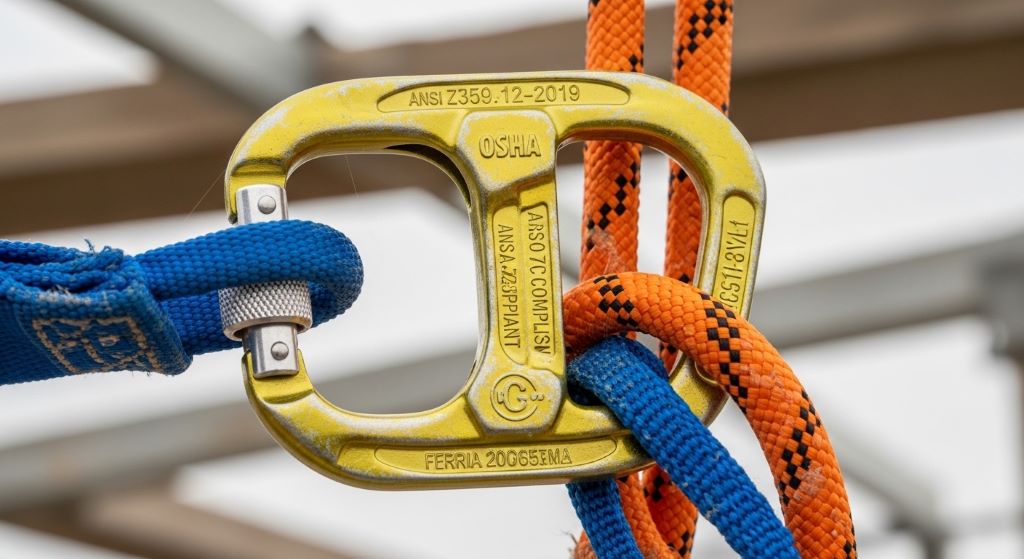
This is non-negotiable. Always select rope that meets the applicable safety standards for your region. In the United States, OSHA regulations and ANSI/ASSE Z359 standards apply. In Europe, EN standards govern fall protection equipment.
Look for ropes that carry certification marks from recognized testing bodies. These marks confirm that the rope has been independently tested and meets minimum performance requirements.
Abrasion Resistance
Construction environments are full of rough surfaces. Steel edges, concrete corners, and gravel can quickly damage a rope’s outer sheath. Therefore, select a rope with a tough, abrasion-resistant cover. Check the abrasion rating in the product specifications. A higher rating means the rope will last longer in rough conditions.
Chemical Resistance
Many construction sites use solvents, acids, oils, and other chemicals. Some of these substances can weaken rope fibers quickly. Polyester ropes generally offer better chemical resistance than nylon. If your work environment involves chemical exposure, choose a rope that is rated for use in those conditions.
Inspection and Retirement Criteria
Even the best rope will not last forever. Regular inspection is essential for safety compliance. Additionally, knowing when to retire a rope is just as important as choosing the right one.
Visual Inspection
Before each use, inspect the rope carefully. Look for cuts, fraying, discoloration, stiff spots, or any areas where the sheath is damaged. Also check for signs of chemical exposure, such as unusual stiffness or discoloration.
Pay close attention to the ends and the sections that pass over edges or through connectors. These areas experience the most wear.
After a Fall Event
Any rope that has been subjected to a fall arrest load must be removed from service immediately. Even if the rope looks undamaged, the internal fibers may have been overstressed. Therefore, treat any rope that has arrested a fall as permanently retired.
Manufacturer’s Service Life Guidelines
Always follow the manufacturer’s recommended service life. Most rope manufacturers provide a maximum service life based on usage frequency, storage conditions, and environmental exposure. Do not exceed these limits, even if the rope appears to be in good condition.
Compatibility with Your Safety Harness System
A rope does not work alone. It is part of a complete fall protection system that includes the harness, connectors, energy absorbers, and anchor points. All components must be compatible with each other.
Connector Compatibility
The rope must be compatible with the carabiners, hooks, and other connectors used in your system. Check the gate opening size and load ratings of all connectors. Mismatched components can cause gates to fail or connectors to cross-load, which significantly reduces their strength.
Energy Absorbers
Many fall arrest systems include a separate energy absorber to reduce the peak force on the worker’s body. If your system uses an energy absorber, make sure the rope is compatible with it. Some absorbers are designed for use with specific rope diameters or materials.
Anchor Points
Your rope must also be compatible with the anchor points used on your site. The anchor point must be capable of supporting the expected load, which includes both the static weight and the dynamic force of a fall. Always consult an engineer when installing or selecting anchor points.
Storage and Care of Safety Ropes
Proper storage and care extend the life of your rope and help maintain its performance.
Store ropes in a cool, dry place away from direct sunlight. UV radiation degrades rope fibers over time. Additionally, keep ropes away from chemicals, sharp objects, and heat sources.
After each use, inspect the rope and allow it to dry naturally if it has been exposed to moisture. Avoid using heat to dry ropes, as high temperatures can weaken synthetic fibers.
Keep a usage log for each rope. Record the date of purchase, the date of first use, any incidents or near-misses, and inspection results. This log helps you track the rope’s service history and determine when it should be retired.
Regulatory Compliance Overview
Staying compliant with safety regulations protects both workers and employers. Regulations vary by country, but the core principles are consistent.
In the United States, OSHA’s 1926 Subpart M covers fall protection in construction. It requires fall protection for workers at heights of six feet or more. Ropes used in personal fall arrest systems must meet ANSI standards and support a minimum static load of 5,000 pounds per person.
In the United Kingdom, the Work at Height Regulations 2005 apply. The European Union follows EN standards, including EN 1891 for low-stretch ropes and EN 892 for dynamic ropes.
Always consult the specific regulations that apply to your project location. Additionally, conduct regular safety audits to ensure all equipment remains compliant.
Conclusion
Selecting the right rope for a safety harness system is one of the most important decisions you can make on a construction site. The type of rope, its material, diameter, length, and certifications all play a role in how well it protects workers from falls.
Dynamic ropes are generally best for fall arrest applications, while static and semi-static ropes suit positioning and rescue work. Always choose rope that meets applicable safety standards, and inspect it regularly for signs of wear or damage.
Compatibility with the full harness system is equally important. Make sure all components work together as designed. Additionally, store and care for ropes properly to extend their service life.
Finally, follow all relevant regulations and keep detailed records. Your rope selection choices directly impact the safety of everyone on site. Choose wisely, inspect often, and retire equipment on schedule. Doing so keeps workers safe and your project compliant.
Frequently Asked Questions
1. What type of rope is best for fall arrest systems in construction?
Dynamic rope is the best choice for fall arrest systems. It stretches under load to absorb the energy of a fall. This reduces the force on the worker’s body and the anchor point. Static rope should not be used for fall arrest because it does not absorb energy effectively.
2. How often should safety ropes be inspected?
Safety ropes should be inspected before every use. Additionally, a more thorough inspection should be carried out by a competent person at regular intervals, such as every six months. Always inspect a rope after any fall event and remove it from service immediately if it has arrested a fall.
3. What standards should construction safety rope meet in the United States?
In the United States, construction safety ropes should meet OSHA 1926 Subpart M requirements and ANSI/ASSE Z359 standards. Ropes used in personal fall arrest systems must be capable of supporting a minimum static load of 5,000 pounds per attached worker.
4. Can safety rope be repaired if it is damaged?
No. Damaged safety rope should never be repaired and returned to service. If a rope shows any signs of damage, including cuts, fraying, chemical exposure, or deformation, it must be retired and replaced. The risk of using damaged rope is too great to justify any attempt at repair.
5. How should construction safety ropes be stored?
Safety ropes should be stored in a cool, dry location away from direct sunlight, heat, and chemicals. They should be kept off the ground and away from sharp objects. A sealed bag or container helps protect the rope from dust and contamination. Always allow ropes to dry naturally before storing them.
Related Topics:
Best Outdoor Swing for Kids? Swurfer Disco Tree Swing Review
Obcursco Marine Bungee Dock Lines Review – Green/Yellow Ropes with Stainless Clips