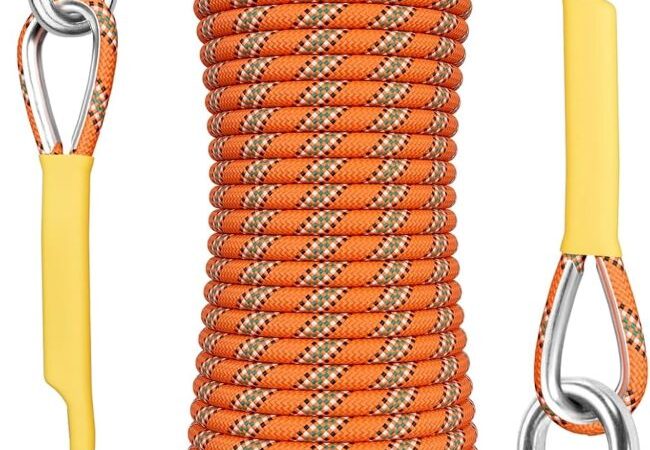
Ropes are the unsung heroes in climbing, rescue, arborist work, boating, and countless high-risk applications. They’re your literal lifeline—yet many underestimate the importance of knowing exactly when to retire a rope. Keep using a compromised rope, and you’re playing Russian roulette with your safety. So, how do you know it’s time to cut the cord?
Recent Posts
Every year, climbers face preventable accidents that could devastate careers and lives. What if the difference between safety and disaster lies in something as simple as checking your rope before each climb? The statistics paint a sobering picture. Over the past decade, nearly 80 lowering incidents, including fatalities, have been reported in Accidents in North
Ropes are the unsung heroes of any vessel. Whether you’re docking, anchoring, towing, or hoisting sails, ropes play a critical role in safety and performance. Yet, rope storage aboard is often overlooked—until it becomes a problem. Tangled lines, mildew, premature wear, and even accidents can result from poor rope management. In this article, we’ll explore
Saltwater doesn’t just rust metal — it destroys ropes. Every year, marine rope failure causes thousands of dollars in damages, delays shipping operations, and jeopardizes lives. But why does this happen? The answer lies in a combination of science, environmental factors, and usage practices that most industries overlook. Understanding the science behind rope failure in
Imagine a massive cargo ship swaying against a dock in a storm, its mooring ropes straining under immense pressure. These vital lines are the unsung heroes of maritime safety, securing vessels against the ocean’s relentless forces. Yet, ship ropes under stress face constant wear, and overlooking subtle signs of deterioration can lead to catastrophic failures.
Every year, marinas worldwide witness devastating scenes of vessels breaking free from their moorings. These disasters often trace back to rope failure, costing boat owners thousands in damages. However, most sailors remain unaware of the silent killers slowly weakening their lifelines. The marine environment poses extraordinary challenges to mooring systems. While many boat owners focus
Saltwater is the silent killer of marine ropes. Whether you’re a seasoned sailor, a weekend boater, or a dockside enthusiast, your ropes are under constant assault. The damage isn’t always immediate, but over time, saltwater exposure can compromise strength, flexibility, and safety. Understanding how this process unfolds—and how to prevent it—is essential for anyone relying
Picture this: a stormy night at sea, waves crashing, and your mooring line snaps. Disaster strikes. Ropes are the unsung heroes of seafaring, securing vessels and ensuring safety. Yet, many seafarers overlook proper rope maintenance, risking costly failures. Marine ropes face relentless enemies—salt, UV rays, and abrasion—that can slash their lifespan. Fortunately, smart practices can
Every seasoned sailor knows that moment when a critical line snaps at the worst possible time. However, what most don’t realize is that 73% of rope failures could have been prevented with proper maintenance techniques that the marine industry rarely discusses openly. The ocean doesn’t forgive neglected equipment, and your rope systems bear the brunt
Ropes are the unsung heroes of maritime, industrial, and outdoor operations. Whether you’re securing cargo on a freighter, hauling nets on a fishing vessel, or towing heavy loads across rugged terrain, your rope is only as reliable as the care it receives. Neglecting rope maintenance can lead to fraying, snapping, and catastrophic failures. This guide