How to Use a Rope Clamp for Non-Slip Rope Anchoring
Rope clamps are essential tools for anyone working with ropes in climbing, sailing, construction, or outdoor activities. These simple yet effective devices create secure, non-slip anchor points that can literally save lives. Learning how to use them properly ensures your safety and the success of your projects.
Understanding Rope Clamps and Their Purpose
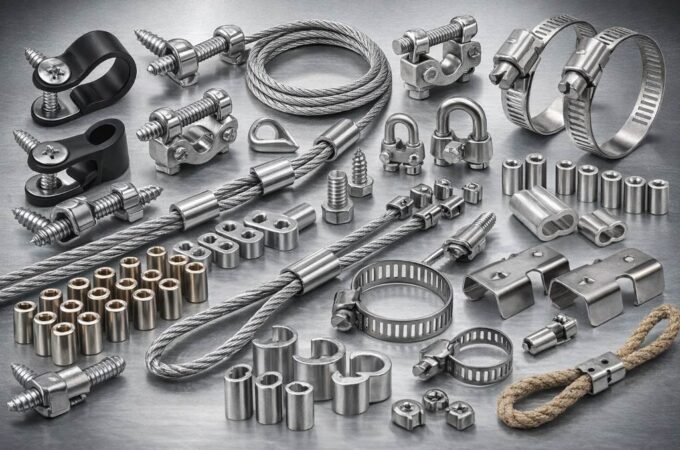
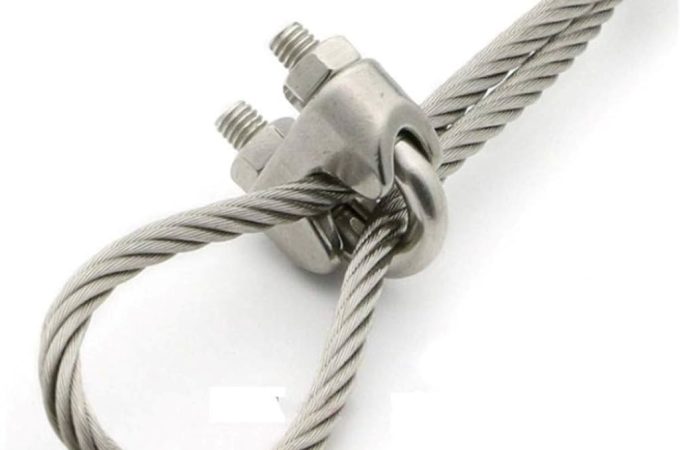
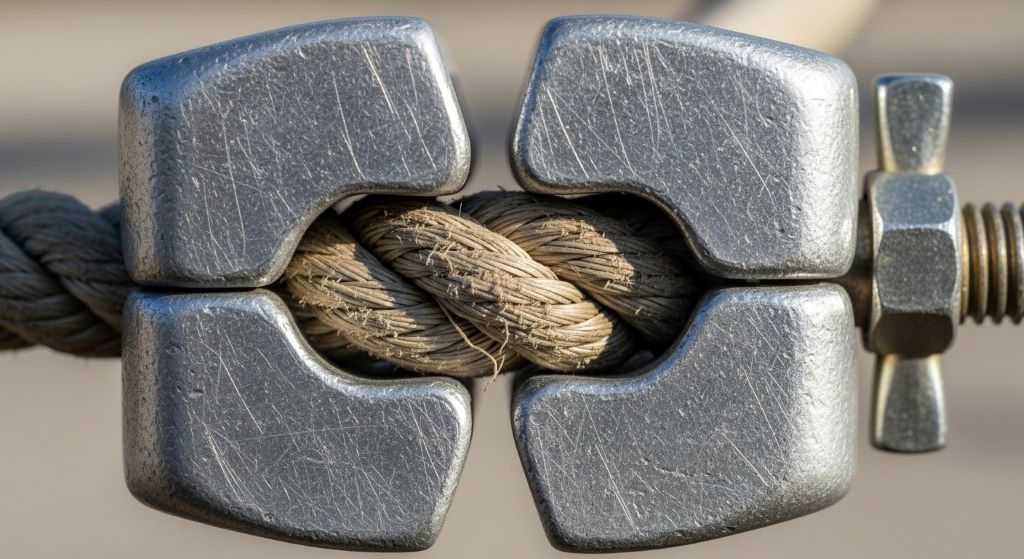
A rope clamp is a mechanical device designed to grip rope securely without causing damage to the fibers. Unlike knots that can slip or weaken rope strength, clamps provide consistent holding power. They work by applying pressure to the rope through a clamping mechanism, typically featuring grooved plates or jaws that bite into the rope surface.
These devices come in various sizes and designs. Some are spring-loaded for quick release, while others use screw mechanisms for maximum security. The right choice depends on your specific application and the rope diameter you’re working with.
Choosing the Right Rope Clamp for Your Needs
Before you start using a rope clamp, you need to select the appropriate type. Different activities require different clamp specifications. For climbing applications, you’ll want clamps rated for human loads with proper safety certifications. Construction projects might need heavy-duty industrial clamps capable of holding substantial weight.
Consider the rope diameter carefully. Most clamps are designed for specific diameter ranges. Using a clamp that’s too large or too small can compromise its holding power. Additionally, check the rope material compatibility. Some clamps work better with synthetic ropes, while others are optimized for natural fibers.
Preparing Your Rope and Workspace
Proper preparation prevents accidents and ensures optimal clamp performance. Start by inspecting your rope thoroughly. Look for fraying, cuts, or worn areas that could compromise strength. Any damaged section should be cut away before proceeding.
Clean the rope section where you’ll attach the clamp. Dirt, moisture, or oils can reduce friction and gripping power. However, avoid using lubricants on the rope, as these will make the clamp slip. Make sure your workspace is organized and free from hazards that could interfere with your anchoring process.
Step-by-Step Guide to Installing a Rope Clamp
Installing a rope clamp correctly requires attention to detail. First, determine where you need the anchor point on your rope. Mark this spot if necessary, though avoid using permanent markers that could degrade the fibers.
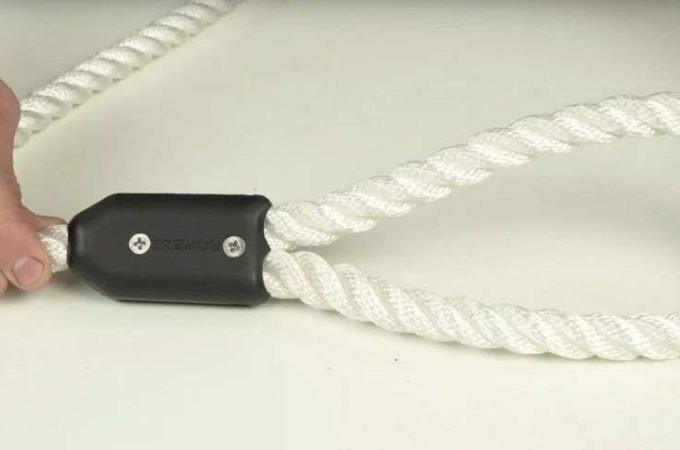
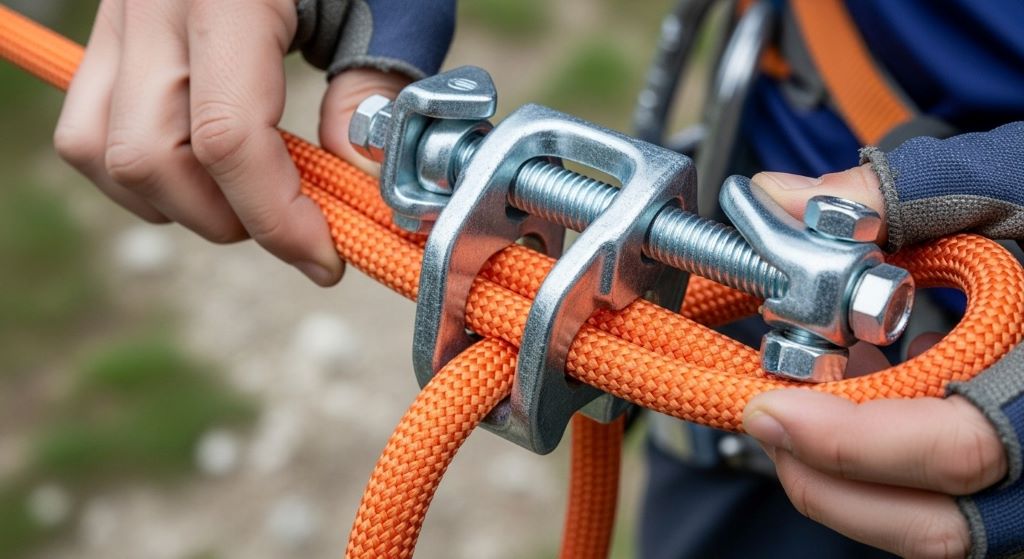
Open the clamp mechanism completely. Most clamps have a release lever or screw that needs to be loosened. Position the rope in the clamp’s grooves, ensuring it sits evenly across the gripping surface. The rope should not twist or cross over itself within the clamp body.
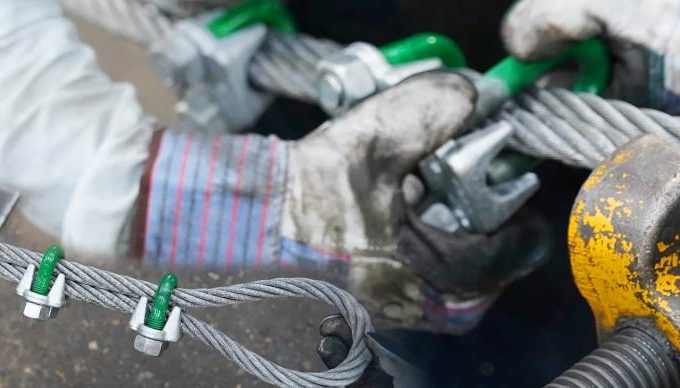
Close the clamp gradually while maintaining proper rope alignment. Tighten the mechanism according to the manufacturer’s specifications. Over-tightening can damage the rope, while under-tightening creates slip risk. Many modern clamps feature indicators showing when proper tension is achieved.
Testing Your Rope Clamp Installation
Never trust your rope clamp without testing it first. Apply gradually increasing tension to the rope while monitoring the clamp. Start with light pressure and slowly increase the load. Watch carefully for any signs of slippage or movement.
Therefore, testing should happen before you rely on the clamp for critical applications. For climbing or life-safety situations, perform tests using weights that exceed your expected load. According to safety experts at REI, proper equipment testing is fundamental to outdoor safety practices.
Listen for unusual sounds during testing. Cracking or popping might indicate the clamp is damaging the rope. Additionally, feel the rope above and below the clamp for heat generation, which suggests friction from slippage.
Common Mistakes to Avoid
Many people make preventable errors when using rope clamps. One frequent mistake is installing the clamp on a rope section under tension. This makes proper positioning difficult and can cause immediate slippage. Always release tension before installing a clamp.
Another common error involves using clamps beyond their rated capacity. Each clamp has specific load limits that must be respected. Exceeding these limits can cause sudden failure with potentially catastrophic results.
Furthermore, mixing clamp types on the same rope system creates inconsistent performance. Stick with one clamp type and manufacturer when possible. Different clamps may have varying grip characteristics that can compromise overall system integrity.
Maintenance and Inspection Protocols
Regular maintenance extends clamp life and maintains safety standards. After each use, inspect the clamp for wear, cracks, or deformation. Pay special attention to the gripping surfaces, as these experience the most stress. Worn teeth or grooves reduce holding power significantly.
Clean your clamps after use, especially in marine or construction environments. Salt, concrete dust, and other contaminants can corrode metal components. Use appropriate cleaning agents that won’t damage the clamp material. Dry thoroughly before storage to prevent rust.
Store clamps in a dry, temperature-controlled environment. Extreme temperatures can affect metal properties and reduce reliability. Keep clamps separated to prevent damage from contact with other tools or equipment.
Advanced Techniques for Maximum Security
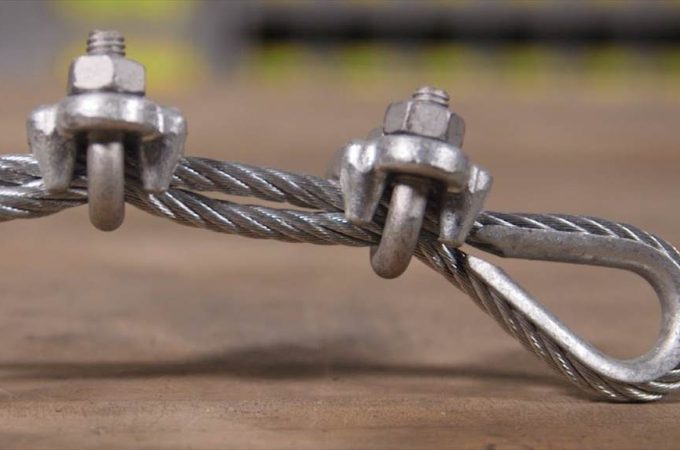
Experienced users employ additional techniques to enhance rope clamp security. Double clamping involves using two clamps in series, spaced several inches apart. This redundancy provides backup if one clamp fails or slips.
Another advanced method is combining clamps with knots. Place a stopper knot below the clamp to create a secondary catch point. However, remember that this technique requires careful planning to avoid interference between the knot and clamp.
Some professionals use clamp guards or protective sleeves. These accessories shield the rope from excessive pressure points while maintaining clamp effectiveness. They’re particularly valuable for applications involving repeated loading and unloading cycles.
Applications Across Different Industries
Rope clamps serve diverse purposes across multiple sectors. In the climbing world, they function as progress capture devices on fixed ropes. Construction crews use them for temporary load suspension and material hoisting. The maritime industry relies on clamps for sail control and rigging adjustments.
Agricultural applications include vineyard training systems and livestock containment. Additionally, theatrical rigging uses specialized rope clamps for scenery suspension and lighting equipment. Each industry has developed specific best practices tailored to their unique requirements.
Safety Considerations and Regulations
Safety should always be your primary concern when working with rope clamps. Many jurisdictions have regulations governing their use in professional settings. Familiarize yourself with local requirements, especially for commercial applications.
According to OSHA standards, all rope and rigging equipment must meet specific certification requirements for workplace use. Ensure your clamps carry appropriate ratings and certifications. Keep documentation of inspection schedules and maintenance records.
Never use rope clamps for overhead lifting of people unless specifically rated and certified for such use. Life-safety applications demand the highest standards and regular professional inspection.
Conclusion
Using a rope clamp for non-slip rope anchoring is a valuable skill that requires proper technique and attention to detail. By choosing the right clamp, installing it correctly, and maintaining it properly, you create reliable anchor points for countless applications. Remember to always test your installations, avoid common mistakes, and prioritize safety above all else. Whether you’re climbing mountains, working on construction sites, or managing sailing rigging, mastering rope clamp usage enhances both safety and efficiency.
Frequently Asked Questions
What is the maximum load a rope clamp can hold?
The maximum load varies by clamp model and manufacturer. Most recreational clamps handle 500 to 2,000 pounds, while industrial models can exceed 10,000 pounds. Always check the manufacturer’s specifications and never exceed rated capacities.
Can I use a rope clamp on wet rope?
While most rope clamps can grip wet rope, holding power is reduced compared to dry conditions. Increase safety margins when working with wet rope, and consider using clamps with more aggressive gripping surfaces designed for wet environments.
How often should I replace my rope clamps?
Replace clamps immediately if you notice cracks, excessive wear, or deformation. For regular use, inspect after every 50 uses or annually, whichever comes first. Life-safety equipment should follow manufacturer recommendations, typically more conservative than recreational use.
Do rope clamps damage the rope?
Properly used rope clamps cause minimal damage. However, repeated clamping in the same location can weaken fibers over time. Vary clamp placement when possible, and retire rope sections showing wear marks or crushing.
Can I use rope clamps for permanent installations?
Rope clamps are generally designed for temporary or adjustable applications. For permanent installations, consider splicing or other permanent connection methods. If using clamps permanently, implement regular inspection schedules and environmental protection measures.
Related Topics:
What is the Recommended Type of Wire Rope Clamp?
Rope Clamp: Revolutionize Your Outdoor Adventures with This Must-Have Accessory!