How to Climb a Rope for Gymnastics?
Learning how to climb a rope for gymnastics builds strength, coordination, endurance, and confidence. According to sports conditioning research, rope climbing can activate more than 80% of upper body muscle groups during a single exercise session. Additionally, gymnastics coaches across the USA continue to use rope climbing because it improves grip strength and body control effectively. If you want to master rope for gymnastics equipment safely, understanding proper technique and progression matters greatly. This guide explains every important step clearly and practically.
Why Learning How to Climb a Rope for Gymnastics Matters
Rope climbing remains one of the most valuable gymnastics conditioning exercises. It develops multiple athletic skills simultaneously.
Gymnasts use rope climbing to increase upper body power, grip endurance, core stability, and mental focus. Furthermore, the exercise improves body awareness and coordination.
Many gymnastics facilities throughout the USA include rope climbing in regular training programs. Consequently, athletes of all levels benefit from mastering this fundamental skill.
Muscles Used During Rope Climbing
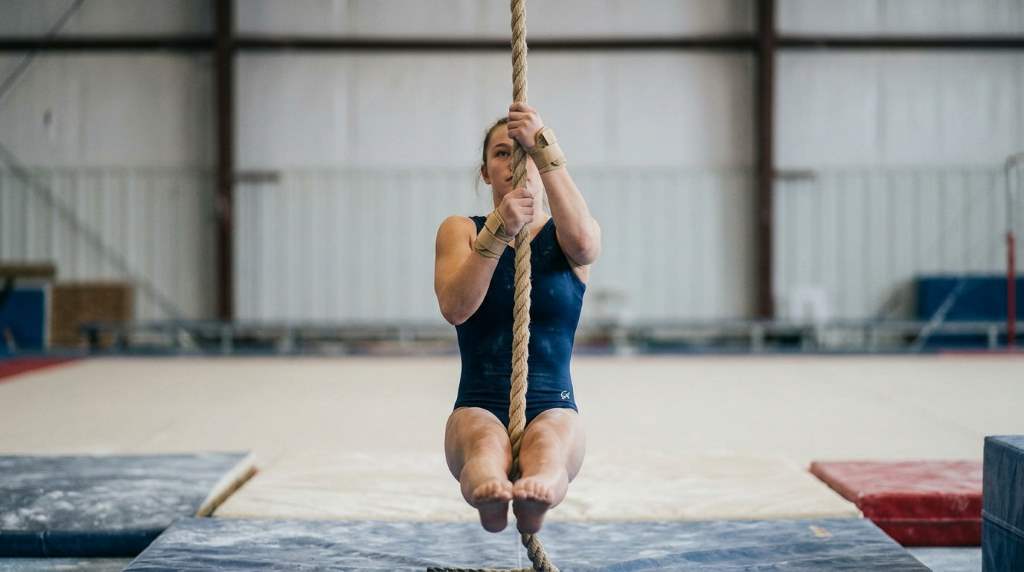
Before learning technique, understanding the muscles involved helps improve performance. Rope climbing challenges nearly the entire body.
- Forearm and grip muscles
- Biceps and triceps
- Shoulders and upper back
- Latissimus dorsi muscles
- Core and abdominal muscles
- Hip flexors
- Leg muscles during foot locking
Because multiple muscle groups work together, rope climbing delivers excellent functional strength training.
Choosing the Right Rope for Gymnastics Training
Selecting appropriate equipment significantly affects safety and performance. Not every climbing rope suits gymnastics training.
Ideal Rope Specifications
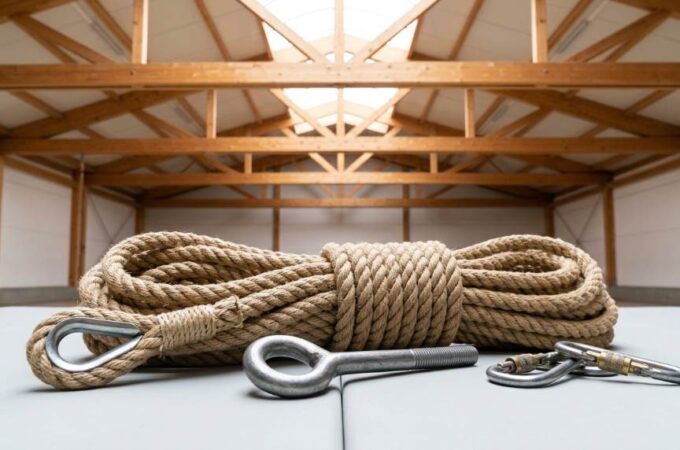
Most gymnastics facilities use ropes measuring between 1.5 and 2 inches in diameter. These dimensions provide adequate grip support.
Additionally, cotton blend and synthetic fiber ropes offer durability while remaining comfortable for repeated practice sessions.
Required Safety Equipment
- Gymnastics landing mats
- Proper athletic clothing
- Chalk for grip enhancement
- Protective gym shoes when required
- Supervised training environment
Preparing Your Body Before Rope Climbing
Attempting rope climbs without preparation increases injury risk considerably. Therefore, warming up properly remains essential.
Warm Up Exercises
Begin with five to ten minutes of light cardiovascular activity. This increases blood flow and muscle readiness.
Next, perform dynamic shoulder circles, arm swings, and wrist rotations. These movements prepare the upper body effectively.
Strength Prerequisites
Before attempting full rope climbs, develop basic strength through foundational exercises.
- Pull ups
- Dead hangs
- Push ups
- Planks
- Hollow body holds
- Inverted rows
Building these movements first creates a stronger foundation for successful rope climbing.
How to Climb a Rope for Gymnastics Step by Step
Proper technique matters more than brute strength. Following a structured approach improves efficiency and safety.
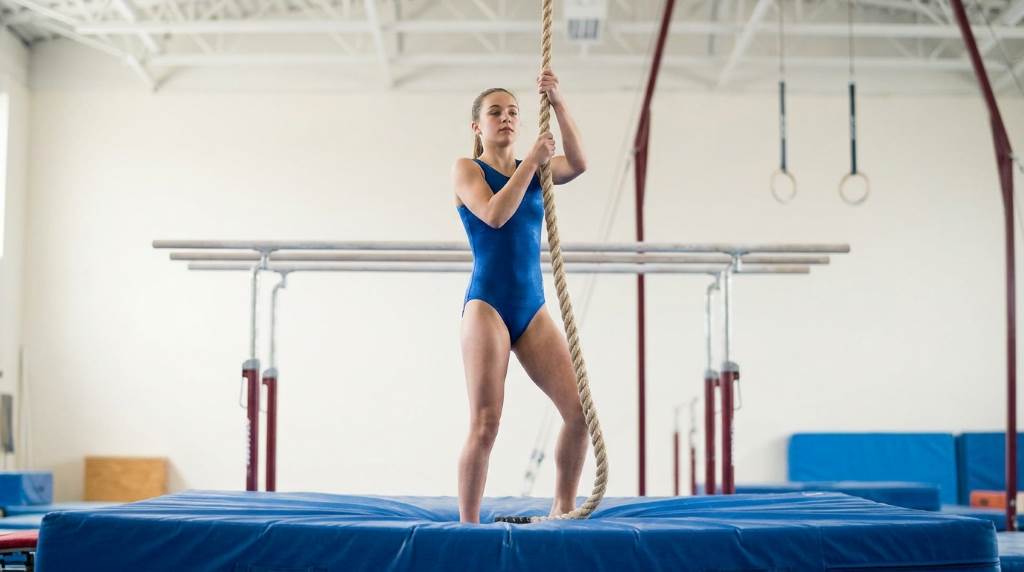
Step 1: Position Yourself Correctly
Stand directly beneath the rope with feet shoulder width apart. Then, grasp the rope firmly with both hands.
Keep your core engaged and maintain an upright posture. This position creates better control during the climb.
Step 2: Perform the Initial Pull
Pull your body upward using your arms while simultaneously lifting your knees. Avoid relying entirely on arm strength.
The first pull creates momentum and establishes climbing rhythm. Therefore, focus on smooth movement.
Step 3: Lock the Rope With Your Feet
Foot locking dramatically reduces upper body fatigue. Most gymnasts use the J hook or S wrap technique.
Place the rope beneath one foot and trap it using the opposite foot. This action supports body weight efficiently.
Step 4: Stand and Reach
Push upward using your legs while extending your arms higher. Then, secure your new hand position.
Afterward, repeat the sequence of locking, standing, and reaching. Consistency creates climbing efficiency.
Step 5: Descend Safely
Never slide rapidly down the rope without control. Rope burns can occur quickly.
Instead, reverse your climbing sequence slowly while maintaining continuous grip and foot control.
Understanding Popular Rope Climbing Foot Techniques
Several foot locking methods exist in gymnastics training. Choosing the right technique depends on experience level.
The J Hook Technique
The J hook remains one of the easiest methods for beginners. It provides excellent stability and support.
Many gymnastics coaches recommend this technique during initial training sessions.
The S Wrap Technique
The S wrap offers greater security during higher climbs. However, it requires additional coordination.
Advanced gymnasts often prefer this technique because it increases climbing efficiency.
Legless Rope Climbing
Legless rope climbing represents an advanced gymnastics skill. Athletes rely entirely on upper body and core strength.
Attempt this variation only after mastering traditional rope climbing methods.
Common Mistakes When Learning How to Climb a Rope for Gymnastics
Many beginners repeat similar errors during practice sessions. Recognizing these mistakes accelerates improvement.
- Using only arm strength
- Skipping warm up exercises
- Ignoring foot lock techniques
- Climbing too quickly
- Failing to engage core muscles
- Descending unsafely
- Training without supervision
Correcting these habits early prevents injuries and improves climbing performance.
Exercises That Improve Rope Climbing Ability
Supplemental exercises accelerate progress significantly. Include these movements regularly.
Grip Strength Training
- Farmer carries
- Towel hangs
- Dead hangs
- Grip trainers
Upper Body Strength Exercises
- Pull ups
- Chin ups
- Lat pulldowns
- Ring rows
Core Development Exercises
- Hollow body holds
- Hanging leg raises
- Planks
- V ups
Combining these exercises produces faster improvements in rope climbing performance.
Safety Tips for Rope Climbing in Gymnastics
Safety should remain the highest priority during every training session. Following basic precautions reduces risk.
- Always use landing mats
- Train under supervision
- Inspect ropes regularly
- Warm up before climbing
- Progress gradually
- Stop when experiencing pain
- Maintain proper technique
Consistent safety habits support long term athletic development and confidence.
Training Plan for Beginners
New gymnasts should progress gradually over several weeks. Patience produces better results.
Week 1 to Week 2
- Practice grip holds
- Learn foot locking
- Perform assisted climbs
Week 3 to Week 4
- Attempt partial climbs
- Increase pull up repetitions
- Improve core strength
And Week 5 and Beyond
- Practice full climbs
- Reduce assistance
- Develop climbing speed
Following a structured progression minimizes frustration and supports long term success.
Last Words,
Mastering how to climb a rope for gymnastics requires technique, strength, consistency, and patience. Fortunately, anyone can develop this skill through proper training methods.
Focus on building foundational strength, learning efficient foot locks, and practicing regularly. Start slowly, prioritize safety, and continue improving your technique.
If you want to improve your gymnastics performance, begin incorporating rope climbing exercises into your training routine today.
Frequently Asked Questions
How difficult is learning how to climb a rope for gymnastics?
Most beginners can learn basic rope climbing techniques within several weeks of consistent practice.
Should beginners use their legs when climbing?
Yes, beginners should always use foot locking techniques for better efficiency and safety.
How often should gymnasts practice rope climbing?
Most coaches recommend practicing two to three times per week.
What is the best age to start rope climbing?
Children can begin supervised rope climbing when they develop sufficient coordination and strength.
Can rope climbing improve overall gymnastics performance?
Yes, rope climbing improves strength, coordination, grip endurance, and body control significantly.