Denver Rope Meeting 2027: Dates, Registration, and Schedule
Aerial rope artists love a good gathering. They train together, share tips, and cheer each other on. In February 2027, the Denver Rope Meeting gives the rope community another chance to do exactly that. The event runs from February 12 to 15, 2027, so it fills a full long weekend.
This guide walks you through the essentials. You will find the dates, the registration steps, a sample schedule, and practical travel tips. Additionally, you will learn how to prepare your body, your gear, and your budget. Please note that organizers had not posted every 2027 detail when we wrote this guide. Therefore, treat the schedule and cost sections as planning help, and confirm final facts on the official channels.
Event at a Glance
Start with the big picture. The table below sums up what we know and what you should confirm.
| Item | Details |
| Event | Rope meeting for aerial rope (corde lisse) artists |
| Dates | February 12–15, 2027 (Friday to Monday) |
| City | Denver, Colorado area |
| Format | Open training, workshops, community time, and a sharing showcase (confirm final lineup) |
| Best for | Intermediate and advanced rope artists, plus motivated beginners with coach approval |
| Registration | Check official organizer pages and social channels for the 2027 link |
| Ticket price | Not confirmed at the time of writing |
What Is This Rope Meeting?
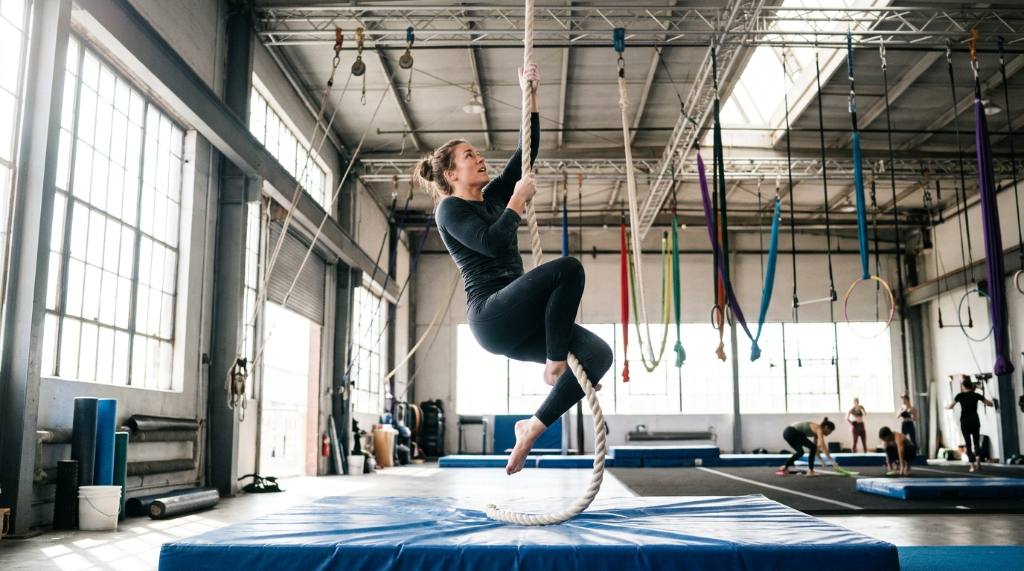
A rope meeting is a gathering built around one apparatus: the aerial rope. Artists climb, wrap, drop, and spin on a single vertical line. The gatherings celebrate that craft. Most of them focus on shared learning instead of competition.
The Denver Rope Meeting follows that spirit. Participants train side by side, swap ideas, and meet coaches from different backgrounds. Similar events, such as the rope meeting at the New England Center for Circus Arts, mix open training with mini workshops, a work-in-progress show, and social nights. Denver organizers may shape their own program, but you can expect a similar community feel.
Why the Rope Community Loves This Format
Rope work can feel lonely. Many artists train alone, or with only a few peers. A meeting changes that. You see how others solve the same problems, and you leave with fresh ideas. Moreover, you get honest feedback in a friendly setting.
Dates and Location
The 2027 meeting starts on Friday, February 12, and ends on Monday, February 15. That Monday also lands on the Presidents Day holiday weekend in the United States. As a result, many attendees can add a travel day without using extra leave. However, flights and hotels may cost more on holiday weekends, so book early.
Where You Will Train
The organizers list the Denver area as the home of the event. Their facility pages also mention the Boulder Circus Center. Because venues can change from year to year, confirm the exact address before you book a room. Boulder sits roughly 30 miles from Denver, so your lodging choice may depend on the final location.
Winter in Colorado
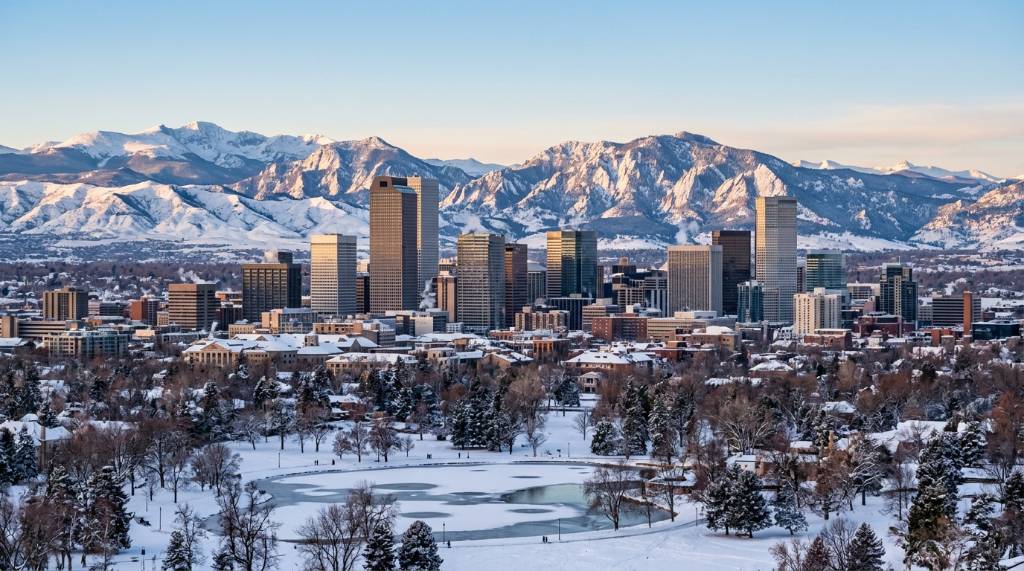
February in Colorado brings cold mornings and the chance of snow. In addition, Denver sits about one mile above sea level. The thin air can leave visitors tired and thirsty at first. Therefore, arrive a day early if you can, and drink plenty of water.
How to Register for the Event
Registration details for 2027 were not final when we wrote this article. Still, rope meetings follow a familiar pattern. Spots often fill fast, and early pricing usually rewards quick action. Use the steps below to stay ready.
Step-by-Step Registration Plan
- Follow the official organizer website and social media pages for the opening announcement.
- Read the participant requirements. Some meetings ask for a minimum skill level or a coach reference.
- Gather your details, including emergency contacts and any injury notes.
- Complete the online form and pay the fee as soon as registration opens.
- Save your confirmation email and read the waiver and refund rules.
- Join any participant group chat the organizers share.
What to Have Ready Before You Register
| Item | Why It Matters |
| Skill summary | Organizers may want to know your rope level and training years |
| Emergency contact | Safety teams need a person to call if something goes wrong |
| Payment method | Early registration windows can close quickly |
| Travel dates | Your arrival and departure plans affect lodging and flights |
| Health notes | Coaches can adjust advice if you carry an old injury |
Sample Schedule for the Four Days
The official 2027 timetable was not available when we wrote this guide. The table below shows a typical rope meeting rhythm, based on similar events. Treat it as a planning model only. Final times will come from the organizers.
| Day | Typical Activities |
| Friday, February 12 | Check-in, warm-up, orientation, and first open training session |
| Saturday, February 13 | Morning workshops, long open training blocks, and an evening community event |
| Sunday, February 14 | Workshops, open training, and a possible work-in-progress showcase |
| Monday, February 15 | Final open training, group wrap-up, and goodbyes |
How a Typical Day Flows
Most days begin with a group warm-up. Workshops follow, and each one explores a single skill or idea. After lunch, open training takes over. During that time, you pick your own rope, set your own goals, and ask peers for notes. Evenings often bring dinner, shows, or social games.
What You Can Do at the Meeting
Open Training
Open training is the heart of any rope meeting. You get quality time on a rope with other artists around you. Furthermore, you can try a new drop, polish a sequence, or simply play.
Workshops and Coaching
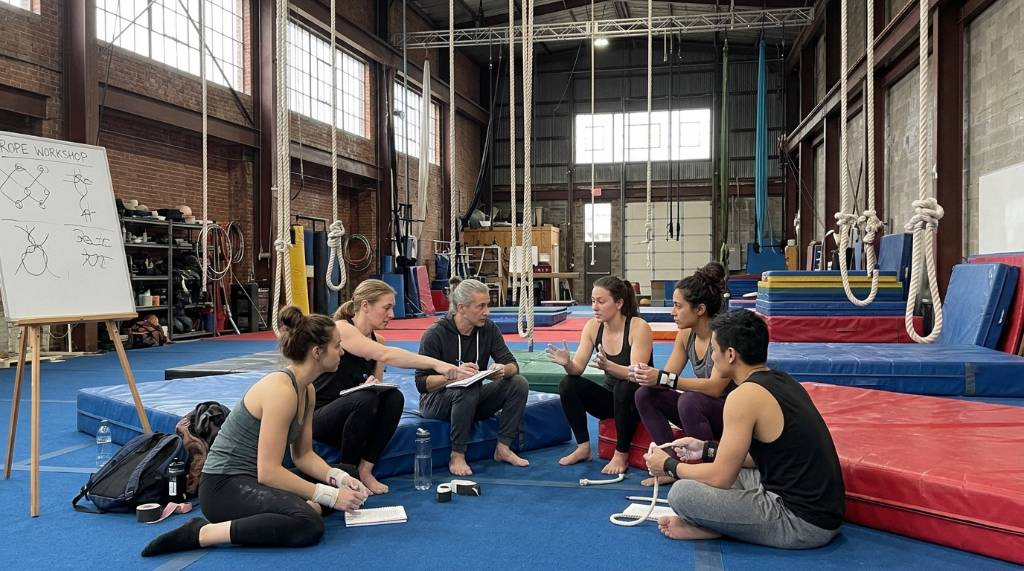
Workshops let you learn from coaches who bring different styles. Some classes focus on technique, such as climbs, wraps, and safe drops. Others explore flow, creative choices, or conditioning. Take notes, because you will hear many ideas in a short time.
Sharing Showcase
Many meetings end the weekend with a sharing event. Artists show finished acts or unfinished ideas. The room stays supportive, so nobody needs a perfect routine. If you want to perform, ask the organizers about sign-up rules early.
Community and Networking
The people matter as much as the rope. You will meet performers, teachers, and studio owners. Consequently, many attendees leave with new friends, new coaching contacts, and even job leads.
Who Should Attend
The meeting suits artists who already know the basics of rope. If you can climb, wrap, and descend with control, you will likely feel at home. Coaches and studio owners also gain a lot from the event. They see new teaching methods and meet future students.
Beginners should check the entry rules first. Some rope meetings welcome only experienced artists. Others allow newer students with a coach’s support. When in doubt, email the organizers and ask.
How to Prepare Before You Go
Build Your Body
Four days of rope work can tire your hands, shoulders, and core. Start a steady plan eight weeks ahead. Focus on grip strength, pulling strength, and shoulder stability. Add mobility work as well, because flexible muscles recover faster.
Set Clear Goals
Pick two or three goals before you arrive. For example, you might want to clean up a transition or learn a new drop. Clear goals help you choose the right workshops. They also keep you focused when the schedule gets busy.
Packing Checklist
- Fitted training clothes that cover the arms and legs for rope friction
- Warm layers for cold Colorado mornings
- Athletic tape and hand care items
- A water bottle and healthy snacks
- A foam roller or massage ball for recovery
- A notebook to record corrections and ideas
- Your ID, insurance card, and confirmation emails
Travel, Lodging and Budget
Denver International Airport serves the region with many direct flights. After you land, you can rent a car or use rail and rideshare options to reach your lodging. If the event runs in Boulder, plan extra travel time.
Lodging comes in several forms. Hotels offer comfort, while short-term rentals suit groups. Many attendees also share rooms to cut costs. Ask the participant group whether people want to split a place.
| Cost Area | Money-Saving Tip |
| Registration | Register during the early window if one opens |
| Flights | Book as soon as dates are firm and compare nearby airports |
| Lodging | Share a room or rental with other attendees |
| Food | Pack snacks and cook a few meals if your lodging has a kitchen |
| Local transport | Share rides with other participants |
| Extras | Set aside funds for workshops, merchandise, or private coaching |
Eight-Week Training Plan
A simple plan keeps you from peaking too early or arriving tired. The table below offers a gentle structure. Adjust it to fit your level, and talk to your coach about any pain.
| Weeks | Focus |
| Weeks 1–2 | Build a base with grip work, pull-ups, and easy rope climbs |
| Weeks 3–4 | Add core strength, shoulder care, and longer rope sessions |
| Weeks 5–6 | Practice the skills you want to refine, and film short clips for review |
| Week 7 | Keep intensity high, but cut volume so your body can recover |
| Week 8 | Rest well, stretch daily, and finish packing |
Equipment and Rigging Notes
Organizers usually supply the ropes and rigging at a rope meeting. Nevertheless, ask what hardware and rope types will be on site. Rope thickness, softness, and spin all change how a skill feels. Therefore, plan to adapt during your first session.
Never adjust rigging yourself. Instead, tell a staff member if something looks wrong. Rigging experts know the load limits and the setup rules. Their work protects every person in the room.
Tips to Get the Most From Four Days
- Arrive early on day one so you can warm up without rushing
- Choose workshops that stretch you, not just ones you already know
- Rest between sessions, because tired hands lead to mistakes
- Film your own practice only when the room allows it
- Introduce yourself to at least three new people each day
- Write down every correction while it is fresh
Many first-time attendees try to do everything. However, rest matters as much as work. Skip a session if your hands feel raw. You will train better on day four, and you will lower your injury risk.
After the Meeting: Keep the Momentum
The weekend ends, but the learning does not. Review your notes within a week. Pick two ideas and add them to your regular practice. Furthermore, stay in touch with the coaches and peers you met. A short message or a shared video clip keeps the bond alive.
Consider sharing what you learned with your home studio. Your teacher and classmates will gain from your new ideas. In turn, they may join you at the next event.
Safety and Etiquette Tips
Safety comes first at every rope event. Warm up fully before you climb. Respect your limits, especially on drops. In addition, listen to the safety team, and ask for a spot if you feel unsure.
Good etiquette keeps the room friendly. Share rope time, and take turns on busy equipment. Ask before you film other artists. Finally, offer kind, specific feedback, and thank your coaches.
Final Planning Checklist
- Confirm the dates: February 12–15, 2027
- Watch official channels for the registration link
- Book travel and lodging early
- Start your conditioning plan eight weeks out
- Pack for winter and altitude
- Review the safety rules and waiver
Conclusion
The Denver Rope Meeting on February 12–15, 2027, offers rope artists a rare mix of training, learning, and community. You can expect open training, workshops, and time to share your work. Meanwhile, early planning will save you money and stress. Watch the official channels for the registration link, confirm the venue, and build your strength before you arrive. Above all, bring curiosity and respect for your fellow artists. If you do, you will leave with new skills and strong friendships.
Frequently Asked Questions
1. When is the 2027 meeting?
The event runs from February 12 to 15, 2027. That span covers Friday through Monday.
2. Where does the event take place?
Organizers point to the Denver, Colorado area. Facility pages also mention the Boulder Circus Center. Confirm the final venue with the official announcement.
3. How do I register?
Watch the organizers’ website and social pages for the 2027 link. Then fill out the form and pay the fee as soon as it opens.
4. How much does a ticket cost?
Pricing was not confirmed when we wrote this guide. Past rope meetings in other cities have offered early rates, so register early when prices appear.
5. Is the meeting open to beginners?
That depends on the organizers’ rules. Many rope meetings favor intermediate and advanced artists. Email the team to check your level.
6. What happens at a rope meeting?
Typical programs include open training, workshops, social events, and a sharing showcase.
7. What should I bring?
Pack fitted training clothes, warm layers, tape, water, snacks, a recovery tool, and your confirmation details.
8. Will it be cold?
Yes, it can be. February brings cold air and occasional snow to Colorado. Dress in layers.
9. How do I handle the altitude?
Arrive early, drink extra water, and rest well. Take it slow on the first day.
10. Can I attend only part of the event?
Some meetings sell partial passes, while others do not. Ask the organizers before you plan a short stay.