How to Choose a Rope Dog Leash for Durability and Control
Walking your dog should be an enjoyable experience for both you and your furry friend. However, a poor-quality leash can turn a simple walk into a frustrating ordeal. A durable, well-designed leash ensures your dog stays safe, secure, and under control, while also providing comfort and ease of use for you. Among the many types of leashes available, rope dog leashes stand out for their strength, versatility, and durability.
I remember my first walk with a flimsy nylon leash that frayed and snapped within weeks. After switching to a high-quality rope dog leash, I noticed an immediate improvement in both durability and control. If you’re looking for a leash that combines strength, comfort, and style, exploring the best rope dog leash options is a great place to start.
Why a Rope Dog Leash Is a Great Choice
Rope dog leashes are made from strong, durable materials like nylon, polyester, or natural fibers, designed to withstand the wear and tear of daily use. Unlike traditional nylon or leather leashes, rope leashes offer a unique combination of strength, flexibility, and comfort. They are less likely to fray or break, making them a reliable choice for active dogs and outdoor adventures.
According to the American Pet Products Association, durability and safety are top priorities for pet owners when choosing dog gear. A well-made rope leash provides a secure grip, reduces the risk of tangling, and can even help with training by offering better control over your dog’s movements. Whether you’re walking a small breed or a large, powerful dog, a rope leash can enhance your experience and keep your pet safe.
Types of Rope Dog Leashes
1. Standard Rope Leashes
Standard rope leashes are the most common type, typically ranging from 4 to 6 feet in length. They are designed for everyday walks and basic training, offering a balance of control and freedom for your dog. Standard rope leashes are lightweight, easy to handle, and suitable for most breeds and sizes.
Pros:
- Versatile for everyday use
- Lightweight and easy to handle
- Suitable for most dog breeds and sizes
Cons:
- May not offer enough control for strong or reactive dogs
- Limited length for training or off-leash activities
2. Adjustable Rope Leashes
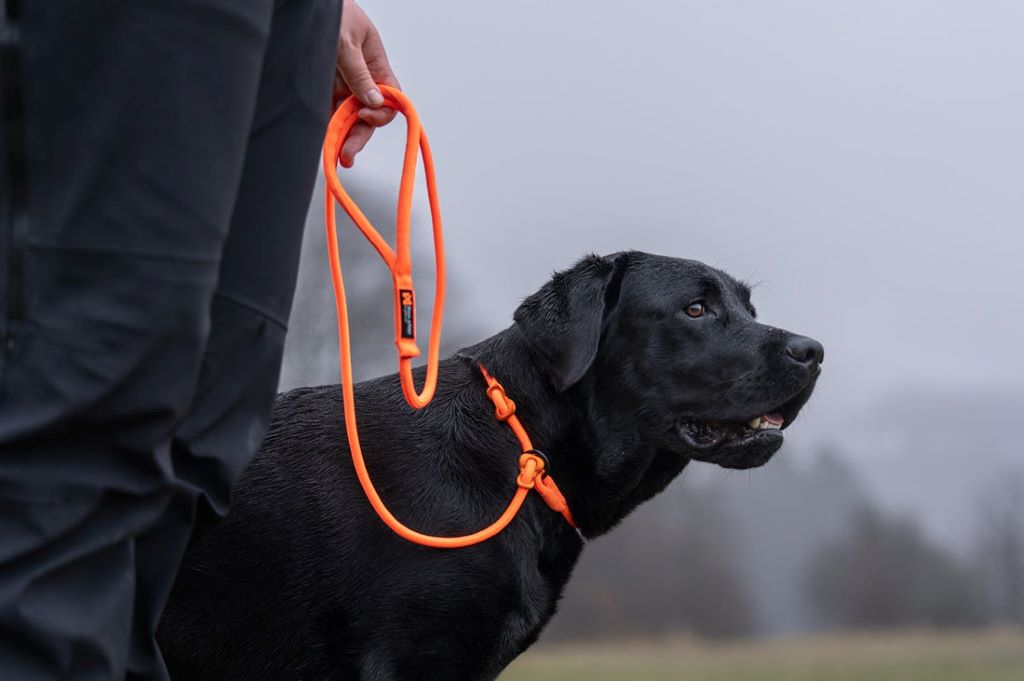
Adjustable rope leashes allow you to change the length of the leash to suit different situations. They often feature a sliding knot or buckle system that lets you shorten or lengthen the leash as needed. Adjustable leashes are ideal for training, hiking, or situations where you need to switch between close control and more freedom for your dog.
Pros:
- Versatile for different activities and training needs
- Allows for quick adjustments in length
- Suitable for both urban walks and outdoor adventures
Cons:
- Can be more complex to use than standard leashes
- May require more maintenance to keep the adjustment mechanism working smoothly
3. Double-Handle Rope Leashes
Double-handle rope leashes feature an additional handle closer to the dog’s collar, providing extra control when needed. This design is especially useful for training, crowded areas, or managing strong, reactive dogs. The second handle allows you to shorten the leash quickly without adjusting the entire length.
Pros:
- Offers extra control in crowded or high-distraction areas
- Ideal for training and managing reactive dogs
- Provides flexibility for different situations
Cons:
- Can be bulkier than standard leashes
- May require some practice to use effectively
4. Long Rope Leashes
Long rope leashes, typically ranging from 10 to 30 feet, are designed for training, hiking, or allowing your dog more freedom to explore while still under your control. They are ideal for recall training, off-leash practice, or activities like agility and field work. Long leashes give your dog room to roam while keeping them safe and connected to you.
Pros:
- Great for training and off-leash practice
- Allows your dog more freedom to explore
- Suitable for outdoor activities like hiking and agility
Cons:
- Can be cumbersome to handle in urban settings
- Requires more skill to manage without tangling
5. Reflective Rope Leashes
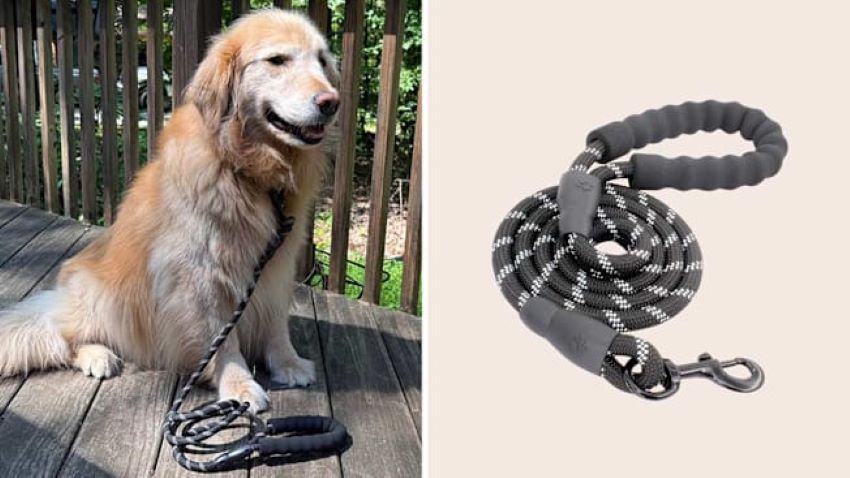
Reflective rope leashes are designed with safety in mind, featuring reflective threads or strips that make you and your dog more visible in low-light conditions. These leashes are ideal for early morning or evening walks, ensuring you remain visible to drivers, cyclists, and other pedestrians.
Pros:
- Enhances visibility in low-light conditions
- Adds an extra layer of safety for nighttime walks
- Often made from durable, high-visibility materials
Cons:
- May be slightly more expensive than non-reflective leashes
- Reflective features can wear out over time
6. Heavy-Duty Rope Leashes
Heavy-duty rope leashes are built for strength and durability, designed to handle large, powerful dogs or rough outdoor conditions. They are typically made from thick, high-strength materials like nylon or polyester and feature reinforced stitching and hardware. Heavy-duty leashes are ideal for working dogs, strong breeds, or outdoor adventures where extra toughness is needed.
Pros:
- Extremely durable and strong
- Suitable for large or powerful dogs
- Built to withstand rough conditions and heavy use
Cons:
- Can be heavier and less flexible than standard leashes
- May feel stiff or bulky for smaller dogs
Key Features to Consider
Material
The material of your rope dog leash affects its durability, strength, and comfort. Common materials include:
- Nylon: Strong, durable, and resistant to abrasion. Nylon is a popular choice for its balance of strength and flexibility.
- Polyester: Lightweight and quick-drying, polyester is often used in reflective or high-visibility leashes.
- Natural Fibers (e.g., cotton or hemp): Eco-friendly and soft on the hands, but less durable than synthetic materials. Best for casual walks with well-behaved dogs.
Choose a material that matches your dog’s size, strength, and the conditions you’ll be using the leash in.
Length
The length of your rope leash depends on your intended use and your dog’s behavior. Standard leashes (4 to 6 feet) are ideal for everyday walks and basic control. Longer leashes (10 to 30 feet) are better for training, hiking, or allowing your dog more freedom to explore. Adjustable leashes offer flexibility for different situations.
Consider your dog’s size, behavior, and the environments you’ll be walking in when choosing the length of your leash.
Width and Thickness
The width and thickness of your rope leash affect its strength and comfort. Thicker leashes (1/2 inch to 3/4 inch) are stronger and more durable, making them suitable for large or powerful dogs. Thinner leashes (1/4 inch to 1/2 inch) are lighter and more flexible, ideal for smaller dogs or casual walks.
Choose a width and thickness that matches your dog’s size and strength, as well as your comfort preferences.
Handle and Grip
The handle of your rope leash should be comfortable and secure, allowing you to maintain a firm grip even when your dog pulls. Look for leashes with padded or ergonomic handles, which reduce strain on your hands and wrists. Some leashes feature multiple handles for added control, while others have loops or knots for a secure grip.
Hardware and Attachments
The hardware on your rope leash, such as the clip and D-rings, should be strong, durable, and corrosion-resistant. Look for leashes with high-quality metal clips (e.g., stainless steel or brass) that can withstand the wear and tear of daily use. Avoid leashes with weak or flimsy hardware, as these can fail under pressure.
Reflective or High-Visibility Features
If you walk your dog in low-light conditions, consider a rope leash with reflective or high-visibility features. Reflective threads or strips make you and your dog more visible to drivers and other pedestrians, enhancing safety during early morning or evening walks. High-visibility colors like neon or bright orange also improve visibility in dim lighting.
Durability and Weather Resistance
A durable rope leash should withstand the elements, including rain, saltwater, and dirt. Look for leashes made from weather-resistant materials like nylon or polyester, which dry quickly and resist mold and mildew. Avoid leashes that absorb water or become stiff and brittle over time.
Ease of Use and Maintenance
Your rope leash should be easy to use and maintain. Look for leashes that are simple to attach and detach, with smooth clips and adjustable features. Choose materials that are easy to clean and resist odors, dirt, and stains. Regularly inspect your leash for signs of wear, such as fraying or weakened stitching, and replace it as needed.
Style and Aesthetics
While functionality is the top priority, style and aesthetics also matter. Rope leashes come in a variety of colors, patterns, and designs, allowing you to choose one that matches your personal style and your dog’s personality. Whether you prefer a classic look or a bold, eye-catching design, there’s a rope leash to suit your taste.
How to Choose the Right Rope Dog Leash for Your Needs
Assess Your Dog’s Size and Strength
Your dog’s size and strength should guide your choice of rope leash. For small or well-behaved dogs, a standard or lightweight leash is sufficient. For large, strong, or reactive dogs, opt for a heavy-duty or double-handle leash that offers extra control and durability. Consider your dog’s behavior and temperament when selecting a leash that matches their needs.
Consider Your Walking Environment
The environments you walk in should influence your choice of rope leash. For urban walks or crowded areas, a standard or double-handle leash provides better control. For outdoor adventures like hiking or beach walks, a long or adjustable leash allows your dog more freedom to explore. Choose a leash that suits the conditions and activities you and your dog enjoy.
Match the Leash to Your Training Needs
If you’re training your dog, consider a leash that offers flexibility and control. Adjustable or long rope leashes are ideal for recall training, off-leash practice, and teaching your dog to walk politely on a leash. Double-handle leashes provide extra control for managing reactive dogs or practicing commands in distracting environments.
Test for Comfort and Ease of Use
Whenever possible, test different rope leashes to assess comfort and ease of use. Hold the leash in your hand to check the grip and handle comfort. Practice clipping and unclipping the leash to ensure the hardware is smooth and secure. If you’re buying online, read user reviews and expert ratings to gauge the performance and quality of the leash.
Prioritize Quality and Safety
Investing in a high-quality rope dog leash ensures better performance, durability, and safety. Look for leashes made from strong, weather-resistant materials with reinforced stitching and high-quality hardware. While quality leashes may come with a higher price tag, they often last longer and provide better protection for you and your dog.
Consider Your Budget
Rope dog leashes are available at a wide range of price points. Determine your budget and look for the best features within that range. While high-end leashes offer advanced materials and designs, there are also many affordable options that provide excellent durability and control.
Common Mistakes to Avoid
- Choosing Based on Looks Alone: While stylish leashes are appealing, prioritize performance features like material, length, and hardware quality.
- Ignoring Your Dog’s Strength: A leash that is too thin or weak for your dog’s size and strength can break or fail under pressure. Choose a leash that matches your dog’s power and behavior.
- Skipping the Fit Test: An ill-fitting leash can cause discomfort or reduce control. Always test the leash’s handle and grip to ensure it feels comfortable and secure in your hand.
- Overlooking Hardware Quality: Weak or flimsy clips and attachments can fail when you need them most. Look for leashes with high-quality, corrosion-resistant hardware.
- Not Replacing Worn-Out Leashes: A frayed or damaged leash can compromise your dog’s safety. Regularly inspect your leash and replace it when it shows signs of wear.
FAQs
What is the best material for a rope dog leash?
The best material for a rope dog leash depends on your needs. Nylon is strong, durable, and resistant to abrasion, making it ideal for most dogs and activities. Polyester is lightweight and quick-drying, suitable for reflective or high-visibility leashes. Natural fibers like cotton or hemp are eco-friendly and soft but less durable than synthetic materials.
How do I know what length rope leash to choose?
The length of your rope leash depends on your intended use and your dog’s behavior. Standard leashes (4 to 6 feet) are ideal for everyday walks and basic control. Longer leashes (10 to 30 feet) are better for training, hiking, or allowing your dog more freedom to explore. Adjustable leashes offer flexibility for different situations.
Can I use a rope leash for training my dog?
Yes, rope leashes are excellent for training. Adjustable or long rope leashes provide flexibility for recall training, off-leash practice, and teaching your dog to walk politely. Double-handle leashes offer extra control for managing reactive dogs or practicing commands in distracting environments.
Are rope leashes suitable for large or strong dogs?
Yes, rope leashes can be suitable for large or strong dogs if you choose a heavy-duty or thick leash made from strong materials like nylon. Look for leashes with reinforced stitching and high-quality hardware to ensure durability and control. Double-handle leashes are also a good option for managing powerful dogs.
How often should I replace my rope dog leash?
The lifespan of a rope dog leash depends on its material, construction, and how often it’s used. Regularly inspect your leash for signs of wear, such as fraying, weakened stitching, or damaged hardware. Replace your leash if it shows significant wear or no longer performs well, typically every 1 to 3 years depending on use.
Conclusion
Choosing the right rope dog leash for your needs is essential for ensuring durability, control, and safety during walks and outdoor adventures. By considering factors like material, length, width, and intended use, you can find a leash that matches your dog’s size, strength, and behavior.
Investing in a quality rope leash is an investment in your dog’s safety and your peace of mind. Take the time to research, test, and choose a leash that will help you and your furry friend enjoy every walk to the fullest.
Have you found a rope dog leash that transformed your walking experience? Share your favorite models or tips in the comments below! And if you found this guide helpful, don’t forget to share it with your fellow dog owners.