How to Choose the Best Kernmantle Rope for Strength and Safety
Whether you’re climbing, caving, rappelling, or setting up a high-line, the rope you choose is your lifeline. Kernmantle ropes are the gold standard for safety and performance in these activities, offering a unique combination of strength, durability, and flexibility. However, not all kernmantle ropes are created equal. Choosing the right one can mean the difference between a smooth, safe experience and a risky, uncomfortable outing.
I remember my first climbing trip with an old, worn-out rope that was stiff, heavy, and difficult to handle. After upgrading to a high-quality kernmantle rope designed for my specific needs, my confidence and performance improved dramatically. If you’re looking for a rope that offers both strength and safety, exploring the best kernmantle rope options is a great place to start.
Why Kernmantle Ropes Are the Best Choice for Safety and Strength
Kernmantle ropes are constructed with a core (the “kern”) surrounded by a protective sheath (the “mantle”). This design provides a perfect balance of strength, flexibility, and durability. The core carries most of the load, while the sheath protects the core from abrasion, UV rays, and other environmental factors. This construction makes kernmantle ropes ideal for a wide range of activities, from rock climbing and mountaineering to rescue operations and industrial applications.
According to the American Alpine Club, kernmantle ropes are the preferred choice for climbers due to their high strength-to-weight ratio and resistance to abrasion. They are also less prone to kinking and tangling compared to other rope types, making them easier to handle and more reliable in critical situations. Whether you’re a beginner or an experienced climber, using a kernmantle rope can significantly enhance your safety and performance.
Types of Kernmantle Ropes
1. Dynamic Kernmantle Ropes
Dynamic kernmantle ropes are designed to stretch under load, absorbing the energy of a fall and reducing the impact on the climber. This elasticity is crucial for preventing injuries during falls. Dynamic ropes are primarily used in rock climbing, ice climbing, and mountaineering, where the risk of falls is higher.
Pros:
- Absorbs shock to reduce impact forces
- Ideal for lead climbing and top-roping
- Available in various diameters and lengths
Cons:
- Not suitable for static loads or hauling heavy gear
- Can wear out faster with frequent use
2. Static Kernmantle Ropes
Static kernmantle ropes are designed to stretch very little under load, making them ideal for applications where minimal elongation is required. These ropes are commonly used in rescue operations, caving, rappelling, and hauling gear. Static ropes provide stability and predictability, which is essential for precise maneuvers and heavy loads.
Pros:
- Minimal stretch for stability and control
- Suitable for rescue, caving, and hauling
- Durable and long-lasting
Cons:
- Not suitable for absorbing fall impacts
- Can be less flexible than dynamic ropes
3. Half Ropes
Half ropes are a type of dynamic kernmantle rope designed to be used in pairs. Each rope is clipped to alternate pieces of protection, reducing rope drag and allowing for greater flexibility in complex routes. Half ropes are popular among trad climbers and alpinists who need to manage rope drag on wandering routes.
Pros:
- Reduces rope drag on complex climbs
- Lightweight and versatile
- Allows for greater flexibility in route-finding
Cons:
- Requires more skill and experience to use safely
- More expensive than single ropes
4. Twin Ropes
Twin ropes are another type of dynamic kernmantle rope designed to be used as a pair. Both ropes are clipped to the same protection points, providing redundancy and increased safety. Twin ropes are thinner and lighter than single ropes, making them ideal for long multi-pitch climbs where weight is a concern.
Pros:
- Lightweight and easy to handle
- Provides redundancy for increased safety
- Ideal for long multi-pitch climbs
Cons:
- Requires careful management to avoid tangling
- Not as durable as single ropes
5. Work and Rescue Ropes
Work and rescue kernmantle ropes are designed for professional use in rescue operations, industrial applications, and arborist work. These ropes are built to handle heavy loads and harsh conditions, offering exceptional durability and strength. They often feature high-visibility colors and additional protective coatings for added safety.
Pros:
- Extremely durable and strong
- Suitable for professional and rescue applications
- Often features high-visibility colors for safety
Cons:
- Heavier and less flexible than climbing ropes
- More expensive than recreational ropes
Key Features to Consider
Rope Diameter
The diameter of a kernmantle rope affects its strength, weight, and handling. Thicker ropes (10mm to 11mm) are generally stronger and more durable, making them suitable for heavy-duty applications and beginners. Thinner ropes (8mm to 9.5mm) are lighter and more flexible, ideal for experienced climbers and long multi-pitch routes.
Consider the type of climbing or activity you’ll be doing when choosing the diameter of your rope. Thicker ropes offer more durability and ease of handling, while thinner ropes provide better weight savings and flexibility.
Rope Length
The length of your kernmantle rope depends on the type of climbing or activity you plan to do. Standard lengths for climbing ropes range from 50 to 70 meters, with 60 meters being the most common for sport and trad climbing. Longer ropes are useful for multi-pitch climbs or routes with long rappels, while shorter ropes are sufficient for single-pitch climbs or gym climbing.
Choose a rope length that matches the routes you’ll be climbing and the type of activities you’ll be doing.
UIAA Fall Rating
The UIAA (Union Internationale des Associations d’Alpinisme) fall rating indicates how many standard falls a rope can withstand before it should be retired. A higher fall rating means the rope can absorb more falls, providing greater safety and longevity. Most dynamic kernmantle ropes have a fall rating between 5 and 10, with higher ratings being more durable and suitable for frequent use.
Always check the fall rating of a rope and choose one that matches your climbing style and frequency.
Sheath Construction
The sheath of a kernmantle rope protects the core from abrasion, UV rays, and other environmental factors. A well-constructed sheath should be durable, flexible, and resistant to fraying. Look for ropes with tightly woven sheaths and additional protective coatings for added durability.
Weight
The weight of your kernmantle rope affects your overall comfort and performance, especially on long climbs or multi-pitch routes. Lighter ropes are easier to carry and handle but may sacrifice some durability and strength. Heavier ropes offer more durability and ease of handling but can be tiring to carry over long distances.
Choose a rope that offers a good balance of weight and performance for your specific needs.
Dry Treatment
Dry treatment is a coating applied to the core and sheath of a rope to reduce water absorption and improve performance in wet conditions. Wet ropes can become heavy, stiff, and difficult to handle, increasing the risk of accidents. Dry-treated ropes stay lighter, more flexible, and easier to manage in wet or icy conditions.
If you climb in wet or icy environments, consider a rope with dry treatment for better performance and safety.
Color and Visibility
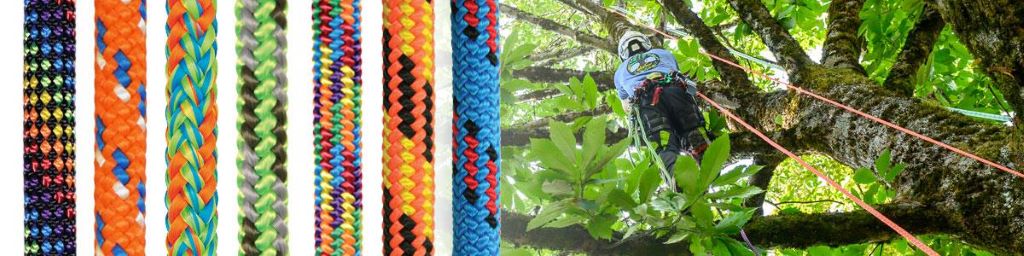
The color of your kernmantle rope can affect its visibility and ease of use. Bright, high-visibility colors make it easier to spot your rope in low-light conditions or complex terrain. Some ropes also feature bi-color or patterned designs to help identify the middle of the rope or distinguish between different ropes in a multi-pitch climb.
Choose a color that enhances visibility and suits your personal preferences.
Certifications and Standards
Always look for kernmantle ropes that meet industry standards and certifications, such as UIAA, CE, or EN. These certifications ensure that the rope has been tested for strength, durability, and safety. Using a certified rope provides peace of mind and reduces the risk of equipment failure.
How to Choose the Right Kernmantle Rope for Your Needs
Assess Your Climbing Style and Experience
Your climbing style and experience level should guide your choice of kernmantle rope. Beginners should opt for thicker, more durable ropes that offer ease of handling and greater safety margins. Experienced climbers can explore thinner, lighter ropes that provide better performance and flexibility for advanced routes.
Consider Your Primary Use
The primary use of your rope will influence the type and features you need. For rock climbing and mountaineering, a dynamic kernmantle rope is essential for absorbing fall impacts. For rescue operations or hauling gear, a static kernmantle rope provides the stability and strength needed for heavy loads. Choose a rope that matches your intended activities and conditions.
Match the Rope to Your Gear
The type of gear you use, such as harnesses, carabiners, and belay devices, should be compatible with your kernmantle rope. Ensure your rope diameter matches the specifications of your belay device and other equipment. Using incompatible gear can compromise safety and performance.
Test Before You Buy
Whenever possible, test different kernmantle ropes before making a purchase. Handle the ropes to assess their flexibility, weight, and ease of use. If you’re buying online, read user reviews and expert ratings to gauge the performance and quality of the rope.
Prioritize Quality and Safety
Investing in a high-quality kernmantle rope will ensure better performance, durability, and safety. Look for ropes made from high-quality materials with strong construction and certifications. While quality ropes may come with a higher price tag, they often offer better protection and last longer, making them a worthwhile investment.
Consider Your Budget
Kernmantle ropes are available at a wide range of price points. Determine your budget and look for the best features within that range. While high-end ropes offer advanced materials and technologies, there are also many affordable options that provide excellent performance and safety.
Common Mistakes to Avoid
- Choosing Based on Looks Alone: While aesthetics matter, prioritize performance features like diameter, length, and UIAA fall rating.
- Ignoring Rope Diameter: Using a rope that is too thin or too thick for your needs can compromise safety and performance.
- Skipping the Dry Treatment: Wet ropes can become heavy and difficult to handle. Consider a dry-treated rope if you climb in wet or icy conditions.
- Overlooking Certifications: Always choose a rope that meets industry standards and certifications for safety and reliability.
- Not Replacing Worn-Out Ropes: Kernmantle ropes wear out over time and should be retired after a certain number of falls or signs of damage. Regularly inspect your rope and replace it when necessary.
FAQs
What is the difference between dynamic and static kernmantle ropes?
Dynamic kernmantle ropes are designed to stretch under load, absorbing the energy of a fall and reducing impact forces. They are ideal for climbing and mountaineering. Static kernmantle ropes stretch very little under load, making them suitable for rescue operations, caving, and hauling gear where minimal elongation is required.
How often should I replace my kernmantle rope?
The lifespan of a kernmantle rope depends on its usage, exposure to environmental factors, and the number of falls it has absorbed. Most dynamic ropes should be retired after 5 to 10 years of use or after experiencing a severe fall. Static ropes should be replaced if they show signs of wear, such as fraying, stiffness, or damage to the sheath.
Can I use a climbing rope for rescue operations?
Climbing ropes are designed for dynamic loads and may not be suitable for static loads or heavy-duty rescue operations. For rescue work, use a static kernmantle rope that is specifically designed to handle heavy loads and minimal elongation.
What is the best diameter for a kernmantle rope?
The best diameter for a kernmantle rope depends on your needs. Thicker ropes (10mm to 11mm) offer more durability and ease of handling, making them ideal for beginners and heavy-duty applications. Thinner ropes (8mm to 9.5mm) are lighter and more flexible, suitable for experienced climbers and long multi-pitch routes.
How do I care for my kernmantle rope?
Proper care and maintenance can extend the lifespan of your kernmantle rope. Always store your rope in a cool, dry place away from direct sunlight. Avoid stepping on it or dragging it over rough surfaces. Clean your rope regularly with mild soap and water, and rinse it thoroughly after use in saltwater or dirty conditions.
Conclusion
Choosing the best kernmantle rope for your needs is essential for ensuring strength, safety, and performance in your climbing or rescue activities. By considering factors like rope type, diameter, length, and intended use, you can find a rope that matches your skill level and conditions.
Investing in a quality kernmantle rope is an investment in your safety and success. Take the time to research, test, and choose a rope that will help you climb with confidence and peace of mind.
Have you found a kernmantle rope that transformed your climbing experience? Share your favorite models or tips in the comments below! And if you found this guide helpful, don’t forget to share it with your fellow climbers and outdoor enthusiasts.