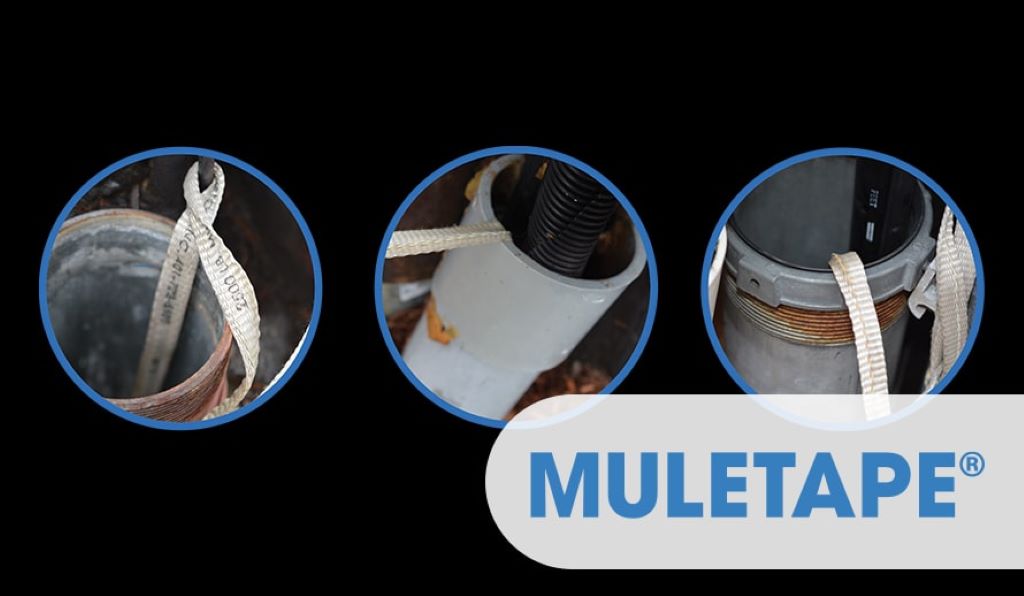
How to Choose Mule Tape Rope for Cable Pulling Efficiency and Strength
Pulling cables through conduits, ducts, or tight spaces is a common challenge in electrical, telecom, and construction work. The right tool can make this task faster, safer, and more efficient. Mule tape rope, also known as pull tape or fish tape, is designed specifically for these applications. It combines strength, flexibility, and durability to help professionals and DIYers pull cables with ease. However, not all mule tape ropes are created equal. Choosing the right one can save time, reduce frustration, and improve overall job efficiency.
I recall a project where I struggled with a low-quality pull tape that kept snagging and breaking under tension. After switching to a high-quality mule tape rope designed for heavy-duty cable pulling, the process became smoother and more reliable. If you’re looking for a solution that offers both strength and efficiency, exploring the best mule tape rope for cable pulling is a great place to start.
Why Mule Tape Rope Is Essential for Cable Pulling
Mule tape rope is a specialized tool designed to pull cables through conduits, ducts, and other tight spaces. Its flat, ribbon-like design reduces friction and snagging, allowing for smoother and more efficient cable pulls. Unlike traditional ropes or wires, mule tape is made from high-strength materials like nylon, polyester, or polypropylene, which provide the necessary durability and flexibility for demanding jobs.
According to industry reports, using the right pull tape can reduce cable installation time by up to 50%, minimizing downtime and labor costs. Mule tape rope is also resistant to abrasion, moisture, and chemicals, making it suitable for a wide range of environments, from underground conduits to overhead cable runs. Whether you’re working on electrical wiring, telecom installations, or HVAC systems, a high-quality mule tape rope ensures a smoother, more efficient process.
Types of Mule Tape Rope
1. Standard Nylon Mule Tape
Standard nylon mule tape is the most common type, known for its strength, durability, and resistance to abrasion. It is typically made from woven nylon fibers, which provide a balance of flexibility and tensile strength. This type of mule tape is ideal for general cable pulling applications, including electrical, telecom, and HVAC installations.
Pros:
- High tensile strength for heavy-duty pulling
- Resistant to abrasion and wear
- Suitable for a wide range of applications
Cons:
- Can absorb moisture, which may reduce strength over time
- May stretch slightly under heavy loads
2. Polyester Mule Tape
Polyester mule tape is designed for applications where moisture resistance and minimal stretch are critical, as its fibers do not easily absorb water, making it ideal for outdoor or underground installations, and it is also highly resistant to UV rays and chemicals for long-term durability.
Pros:
- Moisture-resistant and quick-drying
- Minimal stretch for precise pulling
- High resistance to UV and chemical exposure
Cons:
- Slightly less flexible than nylon tape
- Can be more expensive than standard nylon options
3. Polypropylene Mule Tape
Polypropylene mule tape is lightweight and floats on water, making it ideal for marine or underwater applications. It is also resistant to chemicals, oils, and abrasion, which makes it a versatile choice for industrial and outdoor environments. Polypropylene tape is often used in situations where weight and buoyancy are important factors.
Pros:
- Lightweight and buoyant
- Resistant to chemicals, oils, and abrasion
- Suitable for marine and outdoor applications
Cons:
- Lower tensile strength compared to nylon or polyester
- Less durable in high-friction environments
4. High-Strength Aramid Mule Tape
High-strength aramid mule tape is made from advanced synthetic fibers like Kevlar, offering exceptional tensile strength and resistance to heat and abrasion. This type of tape is ideal for heavy-duty applications, such as pulling large cables through long conduits or in high-temperature environments. Aramid tape is often used in industrial and commercial settings where maximum strength and durability are required.
Pros:
- Exceptional tensile strength and durability
- Resistant to heat, abrasion, and chemicals
- Ideal for heavy-duty and industrial applications
Cons:
- More expensive than standard nylon or polyester tape
- Can be stiffer and less flexible
5. Pre-Lubricated Mule Tape
Pre-lubricated mule tape is coated with a lubricant to reduce friction and snagging during cable pulls. This type of tape is especially useful for long or complex pulls, where friction can cause the tape to bind or break. Pre-lubricated tape is often used in electrical and telecom installations, where smooth, efficient pulls are critical.
Pros:
- Reduces friction for smoother pulls
- Ideal for long or complex cable runs
- Extends the lifespan of the tape by reducing wear
Cons:
- Lubricant may wear off over time, requiring reapplication
- Can be more expensive than non-lubricated options
6. Reinforced Mule Tape
Reinforced mule tape features additional layers or coatings to enhance strength and durability. This type of tape is designed for the most demanding applications, such as pulling heavy cables through rough or abrasive conduits. Reinforced tape often includes a core of high-strength fibers surrounded by a protective outer layer, providing extra resistance to wear and tear.
Pros:
- Enhanced strength and durability for heavy-duty pulls
- Resistant to abrasion and rough surfaces
- Suitable for the most challenging environments
Cons:
- Heavier and less flexible than standard tape
- Typically more expensive due to advanced construction
Key Features to Consider
Material
The material of your mule tape rope affects its strength, durability, and resistance to environmental factors. Nylon is a popular choice for its balance of strength and flexibility, while polyester offers moisture resistance and minimal stretch. Polypropylene is lightweight and buoyant, ideal for marine applications, and aramid fibers provide exceptional strength for heavy-duty pulls. Choose a material that matches the demands of your specific application.
Tensile Strength
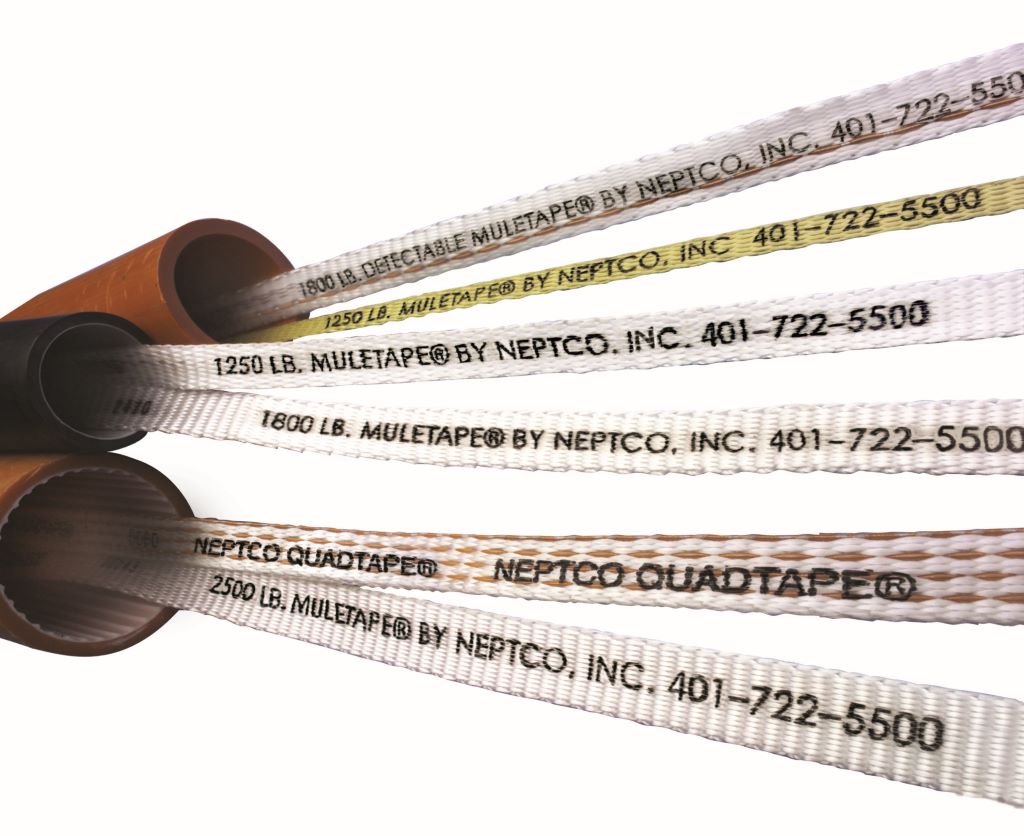
Tensile strength is a measure of how much weight or force a rope can withstand before breaking. Higher tensile strength is essential for pulling heavy cables or working in challenging environments. Look for mule tape with a tensile strength rating that matches the weight and size of the cables you’ll be pulling. Standard nylon tape typically offers tensile strengths between 300 and 1,000 pounds, while high-strength aramid tape can handle loads up to 2,000 pounds or more.
Width and Thickness
The width and thickness of your mule tape rope affect its strength and ease of use. Wider tapes (1/2 inch to 1 inch) distribute force more evenly, reducing the risk of snagging or breaking. Thicker tapes offer greater durability and resistance to abrasion, making them suitable for rough or abrasive environments. Choose a width and thickness that balances strength and flexibility for your specific needs.
Length
The length of your mule tape rope depends on the distance you need to pull cables. Standard lengths range from 50 to 500 feet, with longer tapes suitable for large-scale installations or complex pulls. Consider the length of the conduits or ducts you’ll be working with, as well as any additional distance needed for maneuvering or tying off.
Lubrication
Lubrication reduces friction and snagging during cable pulls, making the process smoother and more efficient. Pre-lubricated mule tape is coated with a lubricant that helps it glide through conduits and around bends. If you’re working with long or complex pulls, a lubricated tape can save time and reduce wear. You can also apply lubricant to non-coated tapes as needed.
Abrasion Resistance
Abrasion resistance is crucial for mule tape ropes that will be pulled through rough or sharp-edged conduits. Look for tapes with reinforced fibers or protective coatings that resist wear and tear. High-quality nylon, polyester, and aramid tapes offer excellent abrasion resistance, ensuring long-term durability and performance.
Flexibility
Flexibility is important for maneuvering mule tape through bends, turns, and tight spaces. More flexible tapes are easier to handle and less likely to kink or bind during pulls. Nylon and polyester tapes offer a good balance of flexibility and strength, while aramid tapes may be stiffer but provide greater tensile strength.
Weather and Chemical Resistance
If you’re working in outdoor or industrial environments, choose a mule tape rope that resists moisture, UV rays, and chemicals. Polyester and polypropylene tapes are highly resistant to water and chemicals, making them ideal for outdoor or underground installations. Aramid tapes offer excellent heat and chemical resistance, suitable for industrial applications.
Ease of Use
Ease of use is an important consideration, especially for long or complex cable pulls. Look for mule tape ropes that are easy to handle, with smooth edges and a flexible design. Pre-lubricated tapes reduce friction and make pulling easier, while reinforced tapes offer extra durability for rough conditions. Consider the weight and bulk of the tape, as heavier tapes can be more difficult to maneuver.
Color and Visibility
High-visibility colors like neon yellow, orange, or green make it easier to spot your mule tape rope in low-light conditions or complex environments. Brightly colored tapes are also useful for identifying different ropes in multi-cable installations. Choose a color that enhances visibility and suits your personal or professional preferences.
How to Choose the Right Mule Tape Rope for Your Needs
Assess Your Cable Pulling Requirements
Consider the type of cables you’ll be pulling, as well as the environment and conditions you’ll be working in. For light-duty applications, such as pulling small electrical wires through short conduits, a standard nylon or polyester tape is sufficient. For heavy-duty applications, such as pulling large telecom cables through long underground ducts, opt for a high-strength aramid or reinforced tape.
Match the Tape to Your Conduit or Duct
The size and material of your conduit or duct should influence your choice of mule tape rope. For smooth, straight conduits, a standard nylon or polyester tape works well. For rough, abrasive, or curved ducts, choose a tape with high abrasion resistance and flexibility. Consider the diameter of the conduit and the size of the cables you’ll be pulling to ensure a smooth, snag-free pull.
Consider Your Budget
Mule tape ropes are available at a wide range of price points. Determine your budget and look for the best features within that range. While high-end tapes offer advanced materials and construction, there are also many affordable options that provide excellent performance and durability. Balance cost with quality to ensure you get the best value for your investment.
Test for Comfort and Ease of Use
Whenever possible, test different mule tape ropes to assess their flexibility, weight, and ease of handling. Practice pulling the tape through a sample conduit or around bends to see how it performs. If you’re buying online, read user reviews and expert ratings to gauge the performance and quality of the tape.
Prioritize Quality and Durability
Investing in a high-quality mule tape rope ensures better performance, durability, and safety. Look for tapes made from strong, weather-resistant materials with reinforced stitching and protective coatings. While quality tapes may come with a higher price tag, they often last longer and perform better, making them a worthwhile investment.
Consider Eco-Friendly Options
If sustainability is important to you, look for mule tape ropes made from recycled or eco-friendly materials. Many manufacturers now offer tapes that provide the same performance and durability as traditional options, with the added benefit of reducing environmental impact.
Common Mistakes to Avoid
- Choosing Based on Price Alone: While budget is important, prioritize performance features like material, tensile strength, and abrasion resistance.
- Ignoring Tensile Strength: Using a tape with insufficient tensile strength can lead to breakage or failure during pulls. Always choose a tape that matches the weight and size of your cables.
- Skipping Lubrication: Friction can cause snagging and wear, making pulls more difficult. Use pre-lubricated tape or apply lubricant to reduce friction and improve efficiency.
- Overlooking Abrasion Resistance: Rough or sharp-edged conduits can damage your tape, reducing its lifespan. Choose a tape with high abrasion resistance for challenging environments.
- Not Replacing Worn-Out Tape: Mule tape ropes wear out over time and should be replaced when they show signs of fraying, stretching, or damage. Regularly inspect your tape and replace it as needed to maintain performance and safety.
FAQs
What is the best material for a mule tape rope?
The best material for a mule tape rope depends on your specific needs. Nylon offers a balance of strength and flexibility, making it ideal for general cable pulling. Polyester is moisture-resistant and minimizes stretch, suitable for outdoor or underground installations. Polypropylene is lightweight and buoyant, ideal for marine applications. Aramid fibers provide exceptional strength for heavy-duty pulls.
How do I know what length mule tape rope to choose?
The length of your mule tape rope depends on the distance you need to pull cables. Standard lengths range from 50 to 500 feet, with longer tapes suitable for large-scale installations or complex pulls. Consider the length of the conduits or ducts you’ll be working with, as well as any additional distance needed for maneuvering or tying off.
Can I use mule tape rope for pulling heavy cables?
Yes, mule tape rope is designed for pulling heavy cables, but you should choose a tape with sufficient tensile strength for the weight of your cables. High-strength aramid or reinforced tapes are ideal for heavy-duty applications, while standard nylon or polyester tapes are suitable for lighter pulls.
How do I reduce friction when pulling cables with mule tape?
To reduce friction, use a pre-lubricated mule tape rope or apply a lubricant to the tape before pulling. Lubrication helps the tape glide smoothly through conduits and around bends, reducing wear and making the pull easier. Additionally, choose a tape with a smooth, flexible design to minimize snagging.
How often should I replace my mule tape rope?
The lifespan of a mule tape rope depends on its material, construction, and how often it’s used. Regularly inspect your tape for signs of wear, such as fraying, stretching, or damage to the fibers. Replace your tape when it shows significant wear or no longer performs well, typically every few years depending on usage.
Conclusion
Choosing the right mule tape rope for cable pulling is essential for ensuring efficiency, strength, and safety on the job. By considering factors like material, tensile strength, width, and intended use, you can find a tape that matches your specific needs and conditions.
Investing in a quality mule tape rope is an investment in your productivity and success. Take the time to research, test, and choose a tape that will help you pull cables with confidence and ease.
Have you found a mule tape rope that transformed your cable pulling experience? Share your favorite models or tips in the comments below! And if you found this guide helpful, don’t forget to share it with your fellow professionals and DIYers.