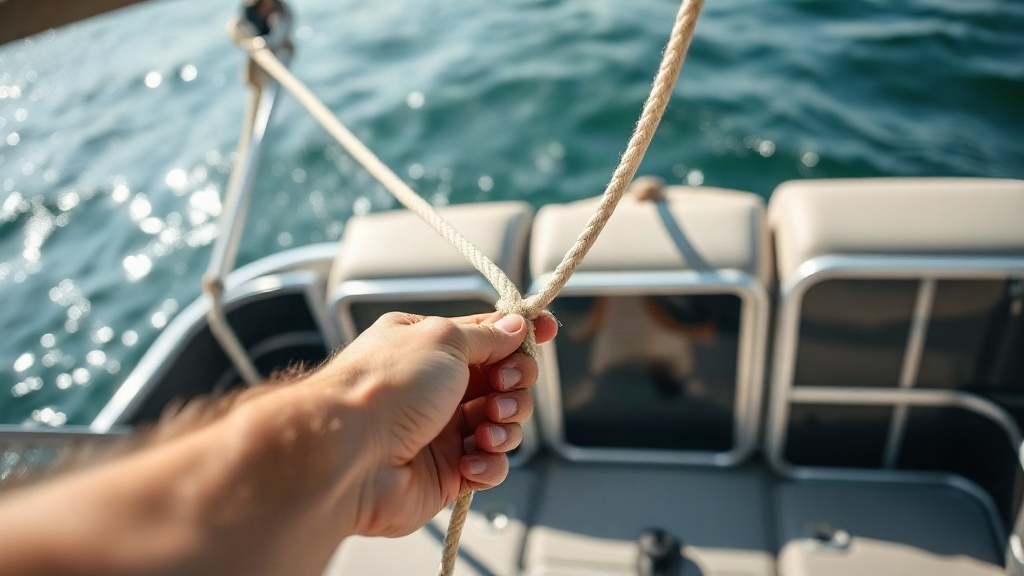
How to Attach Tow Rope to Pontoon Boat Without Ski Tow Bar
Picture a calm lake, a tube bobbing behind your pontoon, and no ski tow bar anywhere on deck. You still want to pull riders safely, so how do you attach the rope without stressing the boat? Learning how to attach tow rope to pontoon boat without ski tow bar comes down to choosing the right anchor point and spreading the load across the hull.
Quick answer: Attach a tow harness rated for tubing to the two factory stern lifting eyes or transom U-bolts, not to cleats, rails, or the bimini top. A Y-shaped harness keeps the tube centered and shares the load between both sides of the boat, which protects the deck structure.
This guide walks through the gear you need, the attachment steps, and the mistakes that turn a fun afternoon into a repair bill.
What you need before starting
Gather every piece of gear before the boat leaves the dock. A missing harness or a borrowed rope rated too low forces you to improvise, and improvised towing setups are where hull damage begins. Lay everything out on the deck and check each item against the list below.
Tow harness. A Y-shaped harness with two clips on the boat end and one attachment point on the tube end is the core piece. Choose one rated for at least 1,500 pounds for a single tube and more for multi-rider tubes. Check the label for the working load limit, not just the breaking strength.
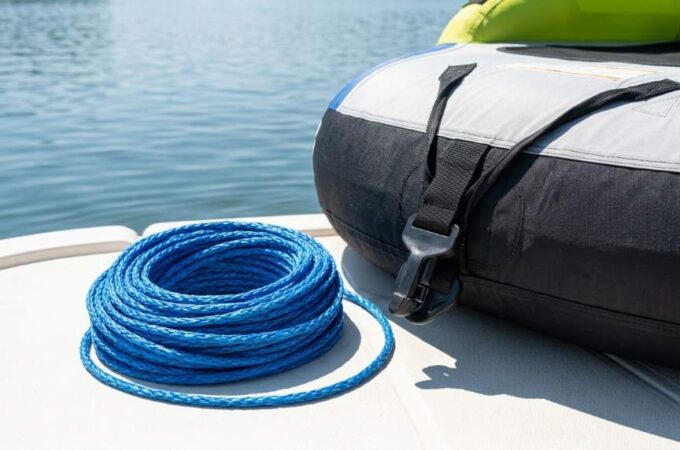
Tow rope. Use a floating tube rope of 50 to 60 feet, which keeps the rider clear of the prop wash and gives a smoother ride. A rope rated for the tube’s load capacity is the minimum. Avoid ski ropes, dock lines, and climbing rope, because none of them float or stretch the way tube lines do.
Hardware. Two stainless steel snap hooks or carabiners sized for your harness clips, plus a wrench if your stern eyes use bolts you plan to check. Stainless resists corrosion in fresh and salt water far better than zinc-plated steel.
Two fenders or bumpers. These protect the hull when the tube swings close during turns and while you load riders.
A spotter. One passenger who watches the rider and relays hand signals to you at the helm. This is a safety requirement in most states, so confirm your local rules before towing.
Boat-inspection items. A flashlight for checking under the stern, a rag to wipe hardware, and your owner’s manual. The manual tells you the factory-rated towing points and the boat’s maximum tow rating.
Some pontoon stern lifting eyes are designed for trailering straps, not for towing loads. Look for a label, a bolt pattern with backing plates, or a manual reference. If the eyes are thin, single-bolt fittings, add a purpose-built tow bar or a transom tow ring instead of trusting them.
Know your boat’s horsepower and tube capacity before you start. A 90-horse pontoon pulls one adult tube comfortably, while a 150-horse model handles two or three riders with more margin. Match the rope and harness rating to the tube, not to the engine.
Step-by-step instructions
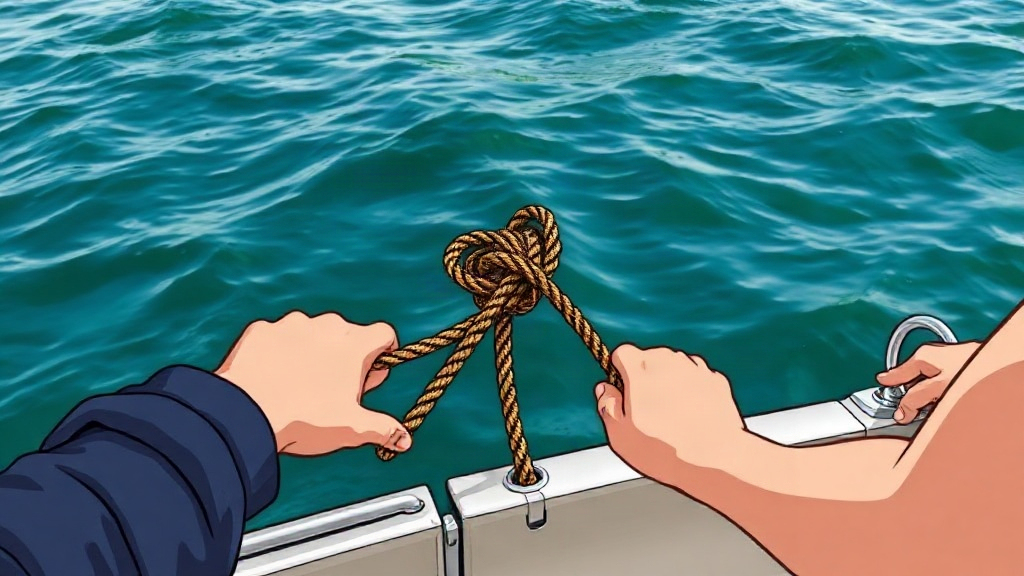
These steps assume a pontoon with factory stern eyes or transom U-bolts. Work from the dock or a trailer if possible, so you can inspect the hardware from outside the boat.
- Inspect the attachment points. Kneel at the stern and look at both lifting eyes or U-bolts. Check for cracks, rust, loose nuts, and thin metal. Wiggle each fitting by hand. A fitting that moves or looks corroded should be replaced before you tow anything.
- Clean and test the hardware. Wipe each eye with a rag and confirm a snap hook clips on smoothly and locks. If a hook binds or the gate sticks, swap it out. A hook that pops open mid-turn releases the rope toward the boat.
- Clip the harness to both stern eyes. Attach one harness clip to the port stern eye and the other to the starboard eye. The harness should form a V shape behind the boat, with the single tow point centered. Confirm both clips are fully closed and seated.
- Route the harness clear of the prop. Pull the harness back and check that it sits below the deck line and away from the engine’s lower unit. The V should sit roughly level with the water, not high in the air or dragging under the hull.
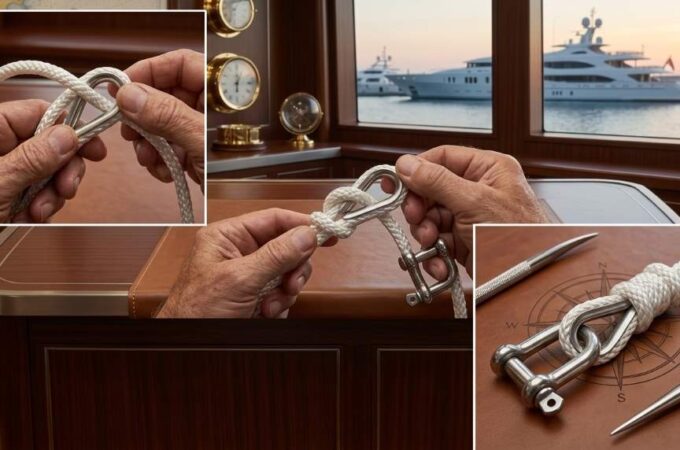
- Connect the tow rope to the harness. Clip or tie the floating rope to the harness’s single tow point using the manufacturer’s recommended knot or clip. A bowline works if you must tie the rope, but a rated snap hook is faster and easier to inspect.
- Attach the tube end and check the full line. Connect the rope to the tube’s tow bridle, then walk the entire length from stern to tube. Look for twists, frayed spots, and anything that could snag. The tube should float freely behind the boat.
- Test at low speed in open water. Idle forward and watch how the harness sits. Increase to planing speed briefly with no rider, then stop and recheck every clip. Retighten any hardware that shifted, and only then load a rider.
Once the harness works well, note the clip positions with a paint pen or a photo on your phone. Re-rigging takes seconds next time, and you avoid guessing which eye is the strong one.
Tips for better results
Small adjustments make a big difference in how the tube tracks and how much strain reaches the hull. Begin with the harness geometry. A V that is too narrow puts load on a single eye, while one that is too wide can rub the pontoons themselves. Aim for a V with roughly 45 to 60 degrees between the two legs.
Keep the rope length consistent. A 60-foot rope gives a gentler ride than a 50-foot line, because the tube crosses wakes more gradually. Shorten the line only for young or nervous riders who prefer a slower, closer ride.
Trim the engine up slightly when towing. Raising the outboard a few degrees lifts the prop wash and reduces spray on the rider. Watch the tachometer and water pressure, and return to normal trim if either drops.
Drive smooth arcs, not sharp cuts. Pontoon hulls turn wide, and a hard turn whips the tube across the wake at speed. Wide, gradual turns keep the rider comfortable and keep the rope from slapping the logs.
Use a spotter with a clear signal system. Agree on three signals before launch: thumbs up for faster, thumbs down for slower, and a flat hand or tapping the head to stop. The spotter relays these to you, so you keep your eyes forward.
Match tube and rope ratings. A two-person tube needs a stronger harness and rope than a single. Check the printed rating on both and keep them within about 20 percent of each other so the weakest link is not a surprise.
Wash and dry the gear after saltwater use. Rinse the harness, clips, and rope in fresh water and hang them to dry. Salt left on stainless hardware causes pitting, and a pitted clip is a weak clip.
Carry a spare clip and a short length of rope. A spare hook costs little and saves the day if a clip fails. Store them in a dry bag near the helm.
Common mistakes to avoid
Most towing failures trace back to one attachment decision, and the damage often appears slowly. Here are the errors to watch for.
Clipping to cleats. Pontoon cleats are through-bolted for docking loads, not for the sustained pull of a tube. A tube catching air can generate a sharp jolt that cracks the deck or pulls a cleat free. If you must use a cleat in an emergency, treat it as a one-time fix and inspect it immediately afterward.
Using the bimini frame or railing. Aluminum rails and bimini tubing are light structural elements meant to hold canvas and hands. They bend under towing loads, and a bent rail can tear the canvas.
Skipping the harness and tying to one eye. A single-point attachment pulls the boat sideways and doubles the stress on one fitting. The tube also drifts off-center, which makes it harder to control.
Using the wrong rope. Ski ropes have little stretch and don’t float. Dock lines are too short and too stiff. Either choice makes the ride harsh and risks fouling the prop.
Ignoring the manufacturer’s rating. Every pontoon has a maximum tow rating tied to its horsepower and tube capacity. Exceeding it strains the transom and voids some warranties.
Towing with an overloaded tube or too many riders is a leading cause of rope failure. When in doubt, pull fewer riders at lower speed.
Towing with a damaged harness. Frayed stitching, bent clips, or a stretched splice are reasons to replace the harness, not to use it one more time. Inspect before every trip.
Forgetting the spotter. Towing without a second set of eyes is both risky and illegal in many jurisdictions. The driver cannot watch the rider and the water ahead at the same time.
Leaving the rope in the sun. UV light degrades rope fibers over a season. Store the harness and rope in a locker or bag, not coiled on the deck.
FAQ
Can I tow a tube from the stern lifting eyes on my pontoon?
Many pontoon stern eyes handle tube loads if they are bolted through with backing plates and rated for towing. Check your owner’s manual, and add a purpose-built tow ring if the eyes are light trailering fittings.
What size tow rope do I need for tubing behind a pontoon?
A floating tube rope of 50 to 60 feet suits most pontoons. Use the longer end for adults and rougher water, and match the rope’s load rating to your tube’s capacity.
Is it safe to tie the rope to one stern eye instead of using a harness?
A single eye works in a pinch, but it pulls the boat off-center and concentrates stress on one fitting. A Y-harness shares the load and keeps the tube tracking straight.
How much does a tow harness setup cost?
Expect to spend roughly $60 to $150 for a quality harness, plus $40 to $80 for a floating rope and a few dollars for stainless clips. Prices vary by rating and retailer, so compare load limits, not just cost.
Can I tow with the bimini top up?
Yes, the top can stay up while you tow, provided the rope and harness attach only to the stern hardware. Never clip anything to the bimini frame, because it is not built for towing loads.
How fast should I tow a tube behind a pontoon?
Most tube manufacturers recommend speeds around 15 to 25 mph, adjusted for rider age and water conditions. Slow down for turns, chop, and young riders.
Conclusion
The safe path for how to attach tow rope to pontoon boat without ski tow bar runs through the stern hardware: a rated Y-harness on both lifting eyes, a floating 50- to 60-foot rope, and a spotter watching every ride. Skip the cleats and rails, inspect the clips before each trip, and stay within your boat’s tow rating. Before your next lake day, lay out the harness and rope, check both stern eyes by hand, and test the setup at low speed with no rider aboard. That ten-minute ritual protects your hull and keeps the fun on the water.