How To Choose Strong Boat Dock Lines for Safe Mooring
Mooring your boat safely is one of the most critical aspects of boat ownership. Weak or improperly chosen dock lines can lead to costly damage, accidents, or even the loss of your vessel. According to the U.S. Coast Guard, over 30% of boat-related accidents at docks are caused by inadequate or poorly maintained mooring lines. This highlights the importance of selecting the right lines to ensure your boat stays secure in all conditions.
I learned this lesson the hard way during a stormy night at the marina. My boat broke free from its mooring due to worn-out dock lines, drifting dangerously close to other vessels. That incident taught me the value of investing in high-quality, durable boat dock lines that can withstand the elements and keep my boat safely in place.
Why Strong Dock Lines Are Essential for Safe Mooring
Dock lines are your boat’s first line of defense against wind, waves, and currents. Weak or frayed lines can snap under pressure, leaving your boat vulnerable to damage or drift. According to a study by BoatUS, boats with improperly sized or low-quality dock lines are three times more likely to break free from their moorings during storms or high winds.
Strong dock lines provide the necessary strength and elasticity to absorb shocks and prevent sudden jerks that can damage your boat or the dock. They also ensure your boat remains stable, reducing the risk of collisions with other vessels or structures. Additionally, high-quality dock lines resist UV damage, abrasion, and saltwater corrosion, extending their lifespan and reliability.
Investing in the right dock lines is not just about safety—it’s also about peace of mind. Knowing your boat is securely moored allows you to relax and enjoy your time on the water without worrying about it breaking loose. Whether you’re docking for a few hours or leaving your boat moored for weeks, strong dock lines are a non-negotiable part of responsible boat ownership.
Types of Dock Lines and Their Uses
Not all dock lines are created equal. The type of line you choose depends on your boat’s size, the mooring conditions, and your specific needs. The most common types of dock lines include nylon, polyester, and polypropene.
Nylon lines are the most popular choice for dock lines due to their strength, elasticity, and durability. They can stretch up to 15% under load, which helps absorb shocks and prevent sudden jerks. This elasticity makes nylon lines ideal for absorbing the energy from waves and wind, keeping your boat secure. However, nylon can degrade over time when exposed to prolonged sunlight, so it’s important to inspect and replace them regularly.
Polyester lines are another excellent option, especially for larger boats or harsh conditions. They are highly resistant to UV damage, abrasion, and chemicals, making them a durable choice for long-term mooring. Polyester lines have less stretch than nylon, which can be an advantage in situations where minimal elasticity is desired. However, their lower stretch means they may not absorb shocks as effectively as nylon.
Polypropene lines are lightweight and float on water, making them easy to handle and ideal for temporary mooring or smaller boats. They are also resistant to water absorption and mildew. However, polypropene lines are less durable and not suitable for heavy-duty or long-term mooring.
How to Choose the Right Dock Line for Your Boat
Selecting the right dock line involves considering several factors, including your boat’s size, the mooring environment, and the type of material that best suits your needs. The first step is to determine the appropriate line diameter. As a general rule, the larger your boat, the thicker the line should be. For example, a 20-foot boat typically requires a 1/2-inch line, while a 40-foot boat may need a 5/8-inch or 3/4-inch line.
Next, consider the length of the dock line. The line should be long enough to accommodate changes in water levels, tides, and wind conditions. A good rule of thumb is to have lines that are at least two-thirds the length of your boat. This ensures you have enough slack to adjust for movement without the line becoming taut and stressing the cleats.
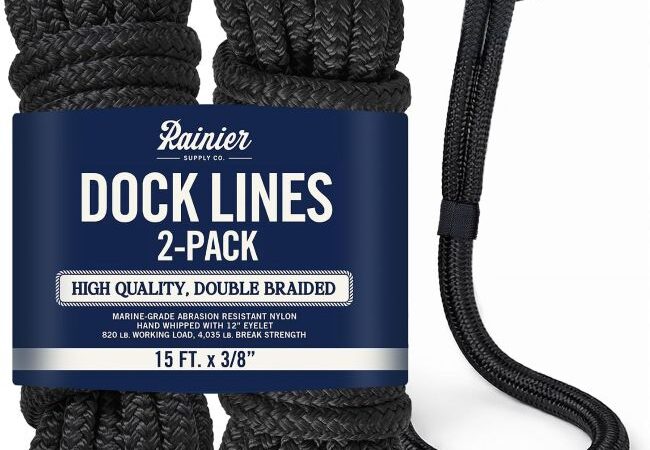
The material of the dock line is another critical factor. Nylon is an excellent all-around choice for its strength and elasticity, while polyester is better suited for harsh conditions or larger boats. Polypropene is ideal for temporary mooring or smaller boats due to its lightweight and floating properties. Additionally, consider the line’s construction. Braided lines are stronger and more durable than twisted lines, making them a better choice for most applications.
How to Properly Secure Your Boat with Dock Lines
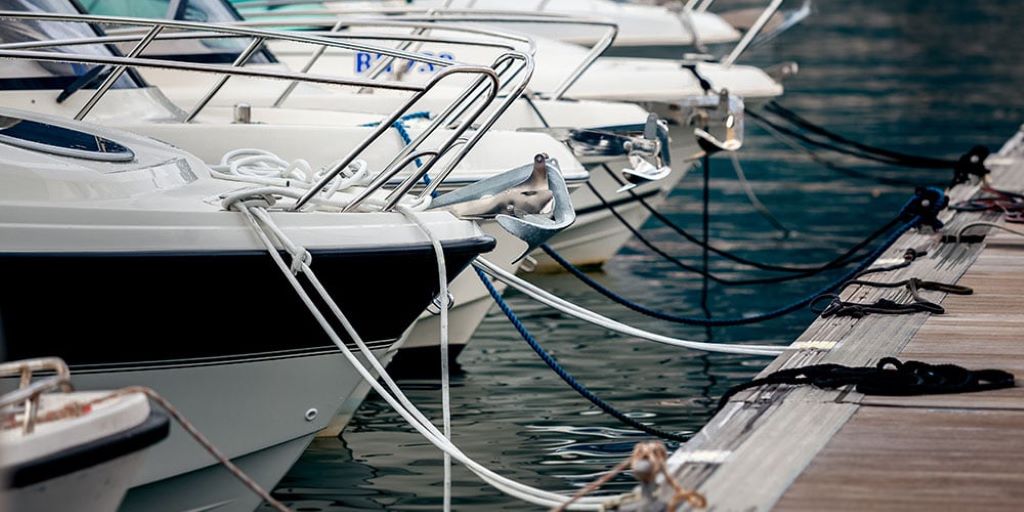
Properly securing your boat with dock lines is essential for safe mooring. Start by using at least four lines to secure your boat: two bow lines, two stern lines, and, if possible, spring lines to prevent forward and backward movement. This configuration ensures your boat remains stable and balanced, even in rough conditions.
When tying your boat to the dock, use proper knots that are secure yet easy to untie when needed. The cleat hitch is a popular and reliable knot for securing dock lines to cleats. To tie a cleat hitch, wrap the line around the base of the cleat, then make a figure-eight pattern over the horns of the cleat before finishing with a locking hitch. This knot is strong and unlikely to slip, even under tension.
Additionally, ensure the dock lines are tied at the correct height. Lines should be attached to the boat at a point that allows them to run horizontally or slightly downward to the dock. Avoid tying lines at sharp angles, as this can cause excessive stress on the cleats or the line itself. Regularly check the tension on your lines and adjust them as needed to accommodate changes in water levels or weather conditions.
Common Mistakes to Avoid with Dock Lines
Even with the best dock lines, mistakes in usage or maintenance can compromise your boat’s safety. One of the most common mistakes is using lines that are too short or too thin for the boat’s size. Insufficient length or diameter can cause the lines to snap under pressure, especially during storms or high winds. Always choose lines that are appropriately sized for your boat and the conditions you’ll be facing.
Another mistake is failing to inspect and maintain your dock lines regularly. Over time, lines can become frayed, weakened by UV exposure, or damaged by abrasion. Inspect your lines before each use, and replace them if you notice any signs of wear or damage. Additionally, avoid leaving your lines in direct sunlight for extended periods, as UV rays can degrade the material and reduce its strength.
Lastly, some boaters make the mistake of using improper knots or securing the lines incorrectly. A poorly tied knot can slip or come undone, leaving your boat vulnerable to drifting. Always use reliable knots like the cleat hitch or bowline, and double-check their security before leaving your boat unattended.
The Role of Dock Lines in Different Mooring Conditions
Different mooring conditions require different approaches to securing your boat. In calm waters, such as a protected marina, standard nylon or polyester lines are usually sufficient. However, in exposed or rough waters, you may need heavier-duty lines with greater elasticity to absorb the energy from waves and wind.
For boats moored in areas with significant tidal changes, it’s important to use lines that can accommodate the rise and fall of the water. Longer lines with some slack will prevent the boat from being pulled too tightly against the dock during low tide or left hanging too loosely during high tide. Additionally, using spring lines can help keep your boat aligned with the dock and prevent it from drifting forward or backward.
In areas with strong currents or winds, consider using additional lines or doubling up on existing ones. This provides extra security and reduces the risk of your boat breaking free. Additionally, using fenders to cushion your boat against the dock can prevent damage from rubbing or impact.
Personal Experience: The Importance of Quality Dock Lines
A few years ago, I moored my boat at a marina during a particularly stormy weekend. I had been using old, worn-out dock lines that I thought were still serviceable. As the storm rolled in, the wind and waves put immense pressure on the lines, and one by one, they began to snap. My boat drifted dangerously close to other vessels, and I barely managed to secure it before any damage occurred.
That experience was a wake-up call. I immediately invested in high-quality, durable dock lines made from braided nylon. Since then, my boat has remained securely moored, even in the harshest conditions. The peace of mind that comes with knowing my boat is safely tied up is invaluable, and I’ve never looked back.
Conclusion
Choosing the right dock lines is a critical aspect of boat ownership that should not be overlooked. Strong, durable dock lines ensure your boat remains securely moored, protecting it from damage, drift, and accidents. By selecting the appropriate type, size, and material for your boat and mooring conditions, you can enjoy greater safety and peace of mind on the water.
Remember, dock lines are your boat’s lifeline to the dock. Investing in high-quality lines and properly maintaining them will save you time, money, and stress in the long run. So, take the time to choose the best dock lines for your needs and always secure your boat with care.
Have you had an experience where quality dock lines made a difference for your boat? Share your stories or tips in the comments below! And if you found this article helpful, don’t forget to share it with your fellow boaters.
FAQs
What are boat dock lines?
Boat dock lines are ropes used to secure a boat to a dock, pier, or other mooring point. They prevent the boat from drifting away and keep it stable in various weather conditions.
How do I choose the right size dock line for my boat?
The size of your dock line depends on your boat’s length. As a general rule, use a line diameter of at least 1/8 inch for every 9 feet of boat length. For example, a 20-foot boat typically requires a 1/2-inch line.
What is the best material for dock lines?
Nylon is the most popular material for dock lines due to its strength, elasticity, and durability. Polyester is another excellent choice for its resistance to UV damage and abrasion, while polypropene is ideal for temporary mooring or smaller boats.
How often should I replace my dock lines?
Inspect your dock lines regularly for signs of wear, fraying, or UV damage. Replace them at least once a year or more frequently if they show signs of deterioration. Proper maintenance and storage can extend their lifespan.
What knots should I use to secure my boat with dock lines?
The cleat hitch is a reliable and easy-to-tie knot for securing dock lines to cleats. Other useful knots include the bowline for creating a fixed loop and the clove hitch for temporary mooring. Always ensure your knots are secure and properly tied.