How To Choose Synthetic AmSteel Rope for Heavy-Duty Tasks: A Complete Guide
When it comes to heavy-duty tasks, choosing the right rope can make all the difference in safety, efficiency, and durability. Synthetic AmSteel rope is a popular choice for industries like towing, rigging, and construction due to its exceptional strength and resistance to wear. However, not all AmSteel ropes are created equal, and selecting the right one requires careful consideration.
I learned this the hard way during a towing job. I had chosen a generic synthetic rope that seemed strong enough, but it frayed under the weight of the load. That experience taught me the importance of investing in a high-quality AmSteel rope designed for heavy-duty use. Understanding the amsteel rope benefits can help you make an informed decision and avoid costly mistakes.
Why Synthetic AmSteel Rope Stands Out for Heavy-Duty Tasks
Synthetic AmSteel rope is a high-performance option that outperforms traditional steel cables in many ways. According to a study by the Cordage Institute, AmSteel rope is up to 7 times stronger than steel wire rope of the same diameter, yet it floats on water and is easier to handle. This makes it ideal for marine applications, towing, and other heavy-duty tasks where strength and lightweight properties are crucial.
Additionally, AmSteel rope is resistant to corrosion, UV damage, and abrasion, making it a durable choice for outdoor and industrial use. Unlike steel cables, it doesn’t rust or degrade over time when exposed to harsh environments. This longevity translates to cost savings, as you won’t need to replace it as frequently.
Therefore, AmSteel rope is not just a strong choice—it’s a smart investment for anyone needing a reliable, long-lasting solution for heavy-duty tasks.
Types of Synthetic AmSteel Ropes
AmSteel Blue
AmSteel Blue is one of the most popular types of synthetic AmSteel rope. It is made from high-molecular-weight polyethylene (HMPE) fibers, which provide exceptional strength and durability. AmSteel Blue is known for its resistance to UV damage, moisture, and abrasion, making it ideal for outdoor use.
This type of rope is commonly used in marine applications, towing, and rigging due to its high strength-to-weight ratio. It is also easy to handle and splice, which adds to its versatility. However, AmSteel Blue can be more expensive than other synthetic ropes, but its longevity and performance make it a worthwhile investment.
AmSteel Winch Line
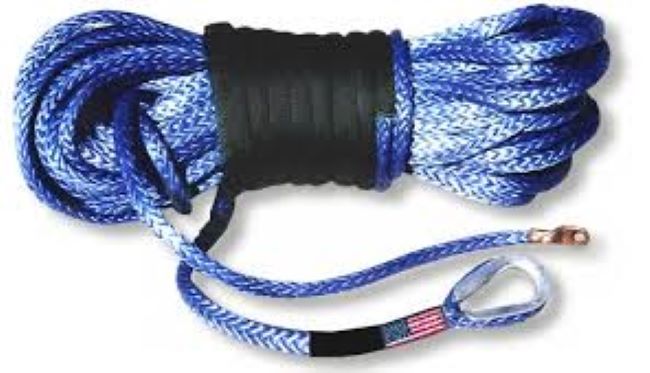
AmSteel Winch Line is specifically designed for use with winches, making it a top choice for off-road recovery, towing, and other heavy-duty pulling tasks. It is made from the same HMPE fibers as AmSteel Blue but is engineered to handle the high stresses and strains of winching.
This rope is highly resistant to abrasion and features a low stretch ratio, ensuring steady and reliable performance even under heavy loads. It is also lightweight and floats on water, which makes it easier to handle in different environments. Because of these qualities, AmSteel Winch Line is commonly used in off-road vehicles, ATVs, and utility winches where strength, durability, and ease of use are important.
AmSteel Tuff
AmSteel Tuff is a more affordable option that still offers many of the benefits of AmSteel Blue. It is made from a blend of HMPE and other synthetic fibers, providing a balance of strength, durability, and cost-effectiveness. While it may not be as strong as AmSteel Blue, it is still a reliable choice for many heavy-duty tasks.
AmSteel Tuff is often used in construction, agriculture, and general-purpose rigging. It is resistant to UV damage and moisture, making it suitable for outdoor use. However, it may not last as long as AmSteel Blue in extreme conditions.
Key Factors to Consider When Choosing Synthetic AmSteel Rope
Rope Diameter
The diameter of your AmSteel rope affects its strength, durability, and ease of use. Thicker ropes are stronger and more durable but can be heavier and harder to handle. Thinner ropes are lighter and easier to manage but may not be as strong.
For most heavy-duty tasks, a rope diameter of 1/4 to 1/2 inch is sufficient. However, if you’re working with extremely heavy loads, you may need a thicker rope for added strength. Always check the manufacturer’s specifications to ensure the rope meets your needs.
Breaking Strength
The breaking strength of your AmSteel rope is a critical factor to consider. This is the maximum load the rope can handle before breaking. For most heavy-duty tasks, a rope with a breaking strength of at least 10,000 pounds is sufficient. However, if you’re working with extremely heavy loads, you may need a rope with a higher breaking strength.
Always check the manufacturer’s specifications to ensure the rope meets your needs. Additionally, consider the weight of the load you’ll be handling and any additional stress factors, such as sharp edges or abrasive surfaces.
Abrasion Resistance
Abrasion resistance is another important consideration, especially if you’ll be using the rope in rough or abrasive environments. Look for ropes with a protective sheath or a tight weave to resist wear and tear.
Additionally, consider ropes with a smooth finish. This reduces friction as the rope passes over surfaces, making it easier to handle and extending its life. AmSteel ropes are known for their excellent abrasion resistance, but some types may be more durable than others.
UV and Moisture Resistance
UV and moisture resistance are crucial for ensuring the longevity of your AmSteel rope. Prolonged exposure to sunlight can weaken the fibers of your rope, reducing its strength and durability. Additionally, moisture can lead to mold and mildew, which can further degrade the rope over time.
Look for ropes that are treated with UV inhibitors and are resistant to moisture. AmSteel ropes are inherently resistant to UV damage and moisture, but some types may offer additional protection. Additionally, store your rope in a cool, dry place when not in use to protect it from the elements.
Flexibility and Ease of Handling
Flexibility and ease of handling are important factors to consider, especially if you’ll be using the rope frequently or in tight spaces. Look for ropes that are easy to coil, splice, and maneuver.
AmSteel ropes are known for their flexibility and ease of handling. However, some types may be stiffer or more difficult to manage than others. Consider your specific needs and preferences when choosing a rope.
How to Care for Your Synthetic AmSteel Rope
Clean Your Rope Regularly
Dirt, sand, and grime can build up on your AmSteel rope over time, causing abrasion and weakening the fibers. To clean your rope, rinse it with fresh water after each use to remove dirt and debris. For a deeper clean, use a mild soap and a soft brush to gently scrub the rope. Rinse thoroughly and hang it to dry in a shaded, well-ventilated area.
Avoid using harsh chemicals or bleach, as these can weaken the fibers and reduce the rope’s strength. Regular cleaning removes dirt and grime that can cause abrasion and weaken the rope over time.
Store Your Rope Properly
Proper storage is key to extending the life of your AmSteel rope. Store it in a cool, dry place away from direct sunlight and heat sources. Avoid storing your rope in a damp or humid environment, as moisture can lead to mold and mildew.
Additionally, store your rope loosely coiled or in a rope bag to prevent kinks and tangles. Avoid hanging it for long periods, as this can cause the rope to stretch or develop permanent bends.
Inspect Your Rope Regularly
Regular inspection is crucial for identifying potential issues before they become serious problems. Before and after each use, inspect your rope for signs of wear, such as:
- Fraying or cuts on the sheath
- Soft or flat spots, which may indicate core damage
- Discoloration or stiffness, which can be a sign of UV damage or chemical exposure
- Abrasion or wear in high-contact areas, such as near the ends or where the rope runs through a pulley
If you notice any of these issues, retire your rope immediately. Even small signs of damage can compromise its strength and safety.
Avoid Sharp Edges and Rough Surfaces
When using your AmSteel rope, avoid running it over sharp edges or rough surfaces, as this can cause fraying or cuts. Use a protective sleeve or padding to shield the rope from abrasion. Additionally, avoid dragging your rope on the ground or over rocks, as this can wear down the fibers over time.
If you must run your rope over a rough surface, use a pulley or other protective device to redirect the rope and prevent direct contact with the edge.
My Personal Experience with Synthetic AmSteel Rope
When I first started using synthetic AmSteel rope, I was amazed at its strength and durability. I had previously used steel cables for towing and rigging, but they were heavy, prone to rust, and difficult to handle. Switching to AmSteel rope was a game-changer.
I invested in a 1/2-inch AmSteel Blue rope with a breaking strength of 20,000 pounds. The difference was immediate. The rope was lightweight, easy to handle, and resistant to abrasion and UV damage. I also appreciated its resistance to moisture, which meant I didn’t have to worry about rust or degradation over time.
One of the best decisions I made was adding a protective sleeve to my rope. This helped prevent abrasion and extended the life of my rope, even in rough conditions. I also started inspecting my rope before and after each use, which gave me peace of mind and allowed me to work with confidence.
FAQs
What is AmSteel rope made of?
AmSteel rope is made from high-molecular-weight polyethylene (HMPE) fibers. These fibers provide exceptional strength, durability, and resistance to UV damage, moisture, and abrasion. AmSteel rope is known for its high strength-to-weight ratio, making it ideal for heavy-duty tasks.
How do I choose the right diameter for my AmSteel rope?
The diameter of your AmSteel rope affects its strength, durability, and ease of use. For most heavy-duty tasks, a rope diameter of 1/4 to 1/2 inch is sufficient. Larger or heavier loads may require a thicker rope for added strength. Always check the manufacturer’s specifications to ensure the rope meets your needs.
Can I use AmSteel rope for towing?
Yes, AmSteel rope is an excellent choice for towing due to its high strength, durability, and resistance to abrasion. It is commonly used in off-road recovery, marine towing, and other heavy-duty pulling tasks. However, always ensure the rope’s breaking strength meets or exceeds the weight of the load you’re towing.
How often should I inspect my AmSteel rope?
You should inspect your AmSteel rope before and after each use. Look for fraying, cuts, soft spots, or discoloration. Additionally, check the ends of the rope for any signs of unraveling or damage to the sheath. Replace your rope immediately if you notice any issues.
What is the best way to store my AmSteel rope?
The best way to store your AmSteel rope is in a cool, dry place away from direct sunlight and heat sources. Store it loosely coiled or in a rope bag to prevent kinks and tangles. Avoid hanging it for long periods, as this can cause the rope to stretch or develop permanent bends.
Conclusion
Choosing the right synthetic AmSteel rope for heavy-duty tasks is essential for safety, efficiency, and durability. By understanding the types of AmSteel ropes available, the key factors to consider, and how to care for your rope, you can make an informed decision that meets your needs.
A high-quality AmSteel rope enhances your performance, reduces the risk of accidents, and gives you confidence in any heavy-duty task. Whether you’re towing, rigging, or working in construction, investing in the right rope is a small step that can make a big difference in your work.
Have you had any experiences with synthetic AmSteel rope that you’d like to share? Leave a comment below, and don’t forget to share this guide with fellow professionals who might find it helpful!