How To Use a Multi-Purpose Rope for Camping and Survival: A Complete Guide
Camping and survival situations demand versatility, and few tools are as adaptable as a multi-purpose rope. Whether you’re setting up a shelter, securing gear, or creating an emergency rescue line, a reliable rope can be a lifesaver. Its uses are nearly endless, making it an essential item in any outdoor kit.
I remember my first camping trip without a proper rope. I struggled to tie down my tarp, secure my food away from wildlife, and even had trouble hanging a lantern. That experience taught me the value of carrying a high-quality multi-purpose rope. Exploring multi purpose rope uses can open your eyes to the many ways this simple tool can enhance your outdoor adventures.
Why a Multi-Purpose Rope is Essential for Camping and Survival
A multi-purpose rope is one of the most versatile tools you can bring into the wilderness. According to the Boy Scouts of America, a good rope can be used in over 50 different ways during camping and survival scenarios. From building shelters to creating traps, its applications are limited only by your creativity.
Additionally, a multi-purpose rope provides security and stability. It can help you secure your tent, hang food out of reach of animals, or even assist in first aid situations. In survival scenarios, a rope can be the difference between comfort and hardship, or even life and death.
Therefore, investing in a high-quality multi-purpose rope is not just about convenience—it’s about preparedness. A durable rope can handle the demands of the outdoors, ensuring you’re ready for whatever nature throws your way.
Types of Multi-Purpose Ropes for Camping and Survival
Paracord
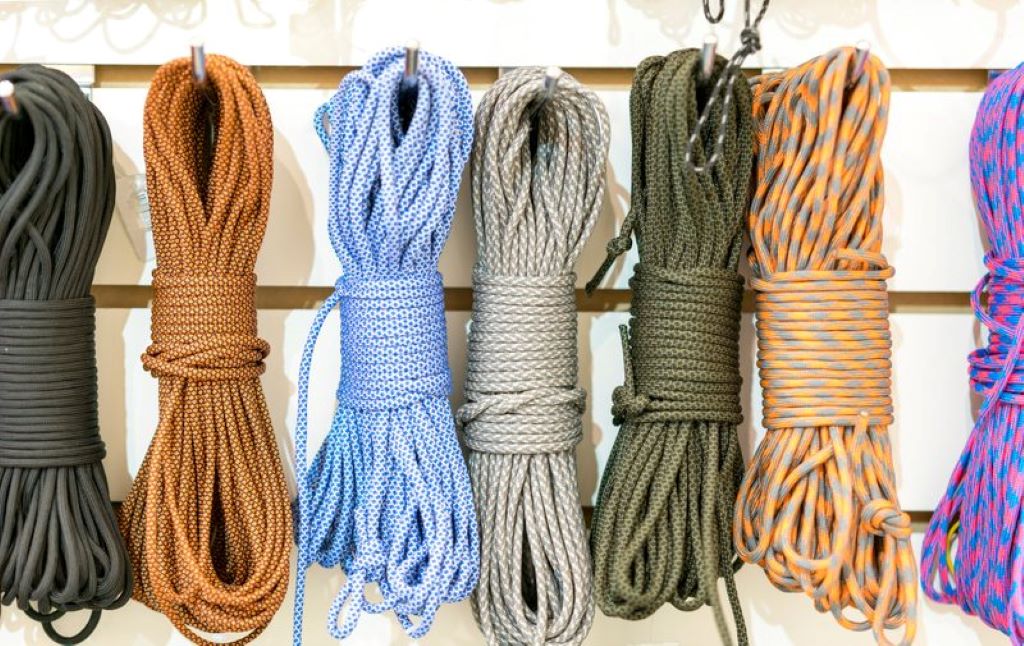
Paracord is one of the most popular choices for camping and survival due to its strength, durability, and versatility. Originally used in parachutes during World War II, paracord is made from nylon and can support hundreds of pounds of weight. It’s also lightweight and easy to carry, making it ideal for backpackers.
Paracord comes in various types, with Type III (550 paracord) being the most common for outdoor use. It has a breaking strength of 550 pounds and is made up of seven inner strands, each of which can be used separately for lighter tasks like fishing lines or repair work.
Additionally, paracord is resistant to moisture, UV damage, and abrasion, making it a reliable choice for any environment. Its versatility and strength make it a staple in any survival kit.
Nylon Rope
Nylon rope is another excellent option for camping and survival. It is strong, durable, and resistant to abrasion, making it ideal for heavy-duty tasks like securing tarps, building shelters, or towing gear. Nylon rope also has some stretch, which can be useful for absorbing shock in certain situations.
However, nylon can absorb moisture, which may cause it to stretch or weaken over time. To mitigate this, look for nylon ropes with a protective coating or sheath. This will help extend the life of your rope and maintain its strength in wet conditions.
Polyester Rope
Polyester rope is known for its resistance to moisture, UV damage, and abrasion. It doesn’t stretch as much as nylon, making it a great choice for tasks that require stability, such as setting up a ridge line for a tarp or securing a tent.
Polyester is also lightweight and easy to handle, making it a good option for backpackers and campers who need a reliable rope without adding too much weight to their pack. Additionally, it’s less likely to fray or wear out over time, ensuring long-lasting performance.
Natural Fiber Ropes
Natural fiber ropes, such as those made from hemp or manila, are eco-friendly and biodegradable. They are strong and durable, making them suitable for various camping tasks like tying down gear or building shelters. However, they are not as resistant to moisture or UV damage as synthetic ropes.
Natural fiber ropes are best used in dry conditions and for short-term tasks. They can be a good choice for campers who prioritize sustainability and are willing to take extra care to protect their rope from the elements.
Essential Uses of a Multi-Purpose Rope in Camping and Survival
Building a Shelter
One of the most critical uses of a multi-purpose rope in survival situations is building a shelter. A rope can help you create a ridge line for a tarp, secure a lean-to, or even construct a debris hut. By tying your rope between two trees, you can create a framework for a shelter that protects you from the elements.
Additionally, a rope can help you secure branches, leaves, or other natural materials to your shelter, ensuring it stays in place during wind or rain. This can be the difference between staying dry and warm or being exposed to harsh weather conditions.
Securing Gear
A multi-purpose rope is invaluable for securing your gear. You can use it to tie down your tent, hang your backpack from a tree to keep it off the ground, or even create a makeshift clothesline for drying wet clothes. Securing your gear with a rope prevents it from being blown away by the wind or carried off by wildlife.
Additionally, you can use a rope to create a bear hang for your food. By suspending your food in a bag from a high branch, you can keep it out of reach of bears and other animals, ensuring your food supply remains safe and intact.
Creating a Rescue Line
In emergency situations, a multi-purpose rope can be used as a rescue line. If someone falls into a river or ravine, you can use your rope to pull them to safety. Additionally, you can create a makeshift stretcher using a rope and a tarp or blanket to carry an injured person.
Always ensure your rope is strong enough to support the weight of the person you’re rescuing. Test the rope’s strength before using it in a rescue scenario, and tie secure knots to prevent slippage.
Setting Up a Clothesline
A multi-purpose rope can be used to create a clothesline for drying wet clothes or gear. Simply tie the rope between two trees or other sturdy objects, and hang your clothes or towels to dry. This is especially useful in wet or humid conditions where air-drying is slow.
Additionally, you can use a rope to create a makeshift shower by hanging a water bag or container from a tree and puncturing it with small holes. This allows water to drip out slowly, providing a simple but effective way to stay clean in the wilderness.
Building a Trap or Snare
In survival situations, a multi-purpose rope can be used to build traps or snares for catching small game. By creating a loop with your rope and setting it along a game trail, you can catch animals like rabbits or squirrels to supplement your food supply.
Additionally, you can use a rope to create a fishing line or net. By tying hooks or weights to the rope, you can fish in streams or lakes to catch food. This can be a lifesaver in situations where other food sources are scarce.
Tips for Using a Multi-Purpose Rope Effectively
Learn Essential Knots
Knowing how to tie essential knots is crucial for using a multi-purpose rope effectively. Some of the most useful knots for camping and survival include:
- Bowline: Creates a secure loop that won’t slip, ideal for securing a rope to a tree or post.
- Clove Hitch: Useful for securing a rope to a post or tree, especially when you need to adjust the tension.
- Taut-Line Hitch: Allows you to create a tight line that can be adjusted easily, perfect for setting up a ridge line for a tarp.
- Figure-Eight Knot: Creates a secure loop at the end of a rope, useful for attaching gear or creating anchor points.
Practice these knots before your trip to ensure you can tie them quickly and securely in any situation.
Carry Extra Rope
Always carry more rope than you think you’ll need. In survival situations, you never know when you might need extra length for building a shelter, securing gear, or creating a rescue line. A good rule of thumb is to carry at least 50 feet of rope, but 100 feet or more is even better.
Additionally, consider carrying a small roll of paracord or another lightweight rope as a backup. This can be used for lighter tasks or as a replacement if your primary rope becomes damaged.
Protect Your Rope
To extend the life of your multi-purpose rope, take steps to protect it from damage. Avoid dragging it over rough surfaces, as this can cause fraying or wear. Additionally, keep your rope dry and store it in a cool, shaded place when not in use.
If your rope becomes wet, dry it thoroughly before storing it to prevent mold or mildew. Additionally, inspect your rope regularly for signs of wear or damage, and replace it if necessary.
Use Your Rope Creatively
Don’t be afraid to get creative with your multi-purpose rope. In survival situations, thinking outside the box can help you overcome challenges and stay safe. For example, you can use your rope to create a makeshift hammock, a tripwire alarm system, or even a splint for a broken bone.
The more you practice and experiment with your rope, the more uses you’ll discover. This can give you a significant advantage in the wilderness, allowing you to adapt to any situation.
My Personal Experience with Multi-Purpose Ropes
When I first started camping, I didn’t give much thought to the type of rope I brought along. I used whatever I had lying around, which often led to frustration and inefficiency. It wasn’t until I invested in a high-quality paracord that I truly understood its value.
During one camping trip, a sudden storm rolled in, and I needed to set up a tarp shelter quickly. My paracord allowed me to create a ridge line between two trees in minutes, providing much-needed protection from the rain. I also used it to secure my gear, hang my food away from wildlife, and even create a makeshift clothesline for drying my wet clothes.
One of the most memorable uses of my multi-purpose rope was during a survival training exercise. I used it to build a debris hut, create a snare for catching small game, and even fashion a makeshift stretcher to carry a mock injured person. This experience taught me the importance of carrying a reliable rope and knowing how to use it effectively.
FAQs
What is the best type of rope for camping and survival?
The best type of rope for camping and survival depends on your needs and preferences. Paracord is a popular choice due to its strength, durability, and versatility. Nylon and polyester ropes are also excellent options, offering a balance of strength, durability, and resistance to environmental factors.
How much rope should I carry for camping and survival?
The amount of rope you should carry depends on your planned activities and the environment. For most camping trips, 50-100 feet of rope is sufficient. However, in survival situations, carrying extra rope can provide added security and versatility.
Can I use a multi-purpose rope for climbing?
While a multi-purpose rope can be used for light climbing tasks, it is not recommended for technical climbing or rappelling. For these activities, use a rope specifically designed for climbing, such as a static or dynamic climbing rope, which meets safety standards for load-bearing and shock absorption.
How do I store my multi-purpose rope to extend its life?
To extend the life of your multi-purpose rope, store it in a cool, dry place away from direct sunlight. Avoid dragging it over rough surfaces, and inspect it regularly for signs of wear or damage. If your rope becomes wet, dry it thoroughly before storing it to prevent mold or mildew.
What are some essential knots I should know for camping and survival?
Some essential knots for camping and survival include the bowline, clove hitch, taut-line hitch, and figure-eight knot. These knots are versatile and can be used for a variety of tasks, such as securing a rope to a tree, setting up a ridge line, or creating a loop at the end of a rope.
Conclusion
A multi-purpose rope is an indispensable tool for camping and survival. Its versatility, strength, and adaptability make it a must-have in any outdoor kit. By understanding the types of ropes available, their essential uses, and tips for effective use, you can make the most of this simple yet powerful tool.
Whether you’re building a shelter, securing gear, or creating a rescue line, a reliable multi-purpose rope enhances your outdoor experience and prepares you for any challenge. Investing in a high-quality rope and learning how to use it effectively can make a significant difference in your camping and survival adventures.
Have you had any experiences with multi-purpose ropes in camping or survival situations? Share your stories and tips in the comments below, and don’t forget to share this guide with fellow outdoor enthusiasts who might find it helpful!