How To Pick a Reliable Rappel Rope for Saddle Hunting: A Complete Guide
Saddle hunting has revolutionized the way hunters approach the wilderness. It offers unparalleled mobility, comfort, and stealth, allowing you to access remote hunting spots with ease. However, the key to a safe and successful saddle hunting experience lies in choosing the right rappel rope.
A reliable rappel rope ensures that you can ascend and descend trees quietly and securely, without alerting game or putting yourself at risk. I learned this the hard way during my first saddle hunting season. I used a generic rope that was too thin and prone to stretching, which made climbing unstable and noisy. That experience taught me the importance of selecting a rope specifically designed for the demands of saddle hunting. Understanding rappel rope safety can help you avoid similar mistakes and ensure a safer, more effective hunt.
Why a Reliable Rappel Rope is Crucial for Saddle Hunting
A reliable rappel rope is not just a piece of equipment; it’s your lifeline in the tree. According to the Tree Stand Safety Awareness Foundation, falls from elevated positions are a leading cause of hunting-related injuries. A high-quality rappel rope minimizes this risk by providing secure support and stability during climbs.
Additionally, a good rappel rope allows for quiet and efficient movement. Saddle hunting often requires you to climb in and out of trees frequently, and a noisy or unreliable rope can spook game and ruin your hunt. A well-chosen rope ensures that you can move silently and confidently, increasing your chances of success.
Therefore, investing in a reliable rappel rope is essential for both safety and effectiveness. A durable, high-performance rope will last for years, giving you peace of mind during every hunt.
Types of Rappel Ropes for Saddle Hunting
Static Ropes
Static ropes are the most popular choice for saddle hunting. Unlike dynamic ropes, which are designed to stretch and absorb shock, static ropes have minimal stretch. This makes them ideal for climbing trees, as they provide stable and predictable support.
Static ropes are typically made from materials like nylon, polyester, or a blend of both. Nylon ropes are strong and durable but can absorb moisture, which may cause them to stretch slightly when wet. Polyester ropes, on the other hand, are more resistant to moisture and UV damage, making them a great choice for outdoor use.
For saddle hunting, a static rope with a diameter of 8-10mm is usually sufficient. Thicker ropes provide more durability and grip but can be heavier. Thinner ropes are lighter and easier to handle but may not be as strong.
Dynamic Ropes
Dynamic ropes are designed to stretch under load, which makes them ideal for rock climbing or other activities where shock absorption is critical. However, they are not typically used for saddle hunting because their stretch can make climbing trees more difficult and less stable.
That said, some hunters prefer dynamic ropes for specific situations, such as climbing in areas with unpredictable terrain. If you choose a dynamic rope, make sure it has a low stretch ratio to provide better stability during your climb.
Paracord Ropes
Paracord is a lightweight, versatile rope often used by hunters for a variety of tasks. It is made from nylon and is known for its strength and durability. However, paracord is not as strong as static or dynamic climbing ropes and is not recommended for primary climbing support.
That said, paracord can be useful as a backup rope or for lighter tasks, such as securing gear or setting up a tarp. It’s a great addition to your hunting kit but should not be relied upon as your main climbing rope.
Key Factors to Consider When Choosing a Rappel Rope for Saddle Hunting
Rope Material
The material of your rappel rope affects its strength, durability, and resistance to environmental factors. Nylon is a popular choice because it is strong, durable, and resistant to abrasion. However, it can absorb moisture, which may cause it to stretch slightly when wet.
Polyester is another excellent option. It is resistant to moisture, UV damage, and abrasion, making it ideal for outdoor use. Some ropes are made from a blend of nylon and polyester, offering a balance of strength and durability.
Additionally, consider ropes with a protective sheath. This outer layer helps resist UV damage, abrasion, and moisture, extending the life of your rope.
Rope Diameter
The diameter of your rappel rope affects its strength, weight, and ease of use. Thicker ropes (10-11mm) are stronger and more durable but can be heavier and harder to handle. Thinner ropes (8-9mm) are lighter and easier to manage but may not be as strong.
For most saddle hunters, a rope with a diameter of 9-10mm offers a good balance of strength and manageability. However, if you’re climbing particularly tall or heavy trees, you may want to opt for a thicker rope for added security.
Rope Length
The length of your rappel rope depends on the height of the trees you’ll be climbing and how you plan to use the rope. For most saddle hunting situations, a rope length of 50-100 feet is sufficient. This allows you to climb to a height of 20-30 feet and still have enough rope to secure your gear.
If you’re climbing taller trees or need to hoist additional gear, consider a longer rope. However, keep in mind that longer ropes can be heavier and more difficult to manage.
Weight Capacity
The weight capacity of your rappel rope is a critical factor to consider. Ensure that the rope can support your body weight plus the weight of any gear you’ll be carrying. Most climbing ropes have a weight capacity of at least 300 pounds, but some can support up to 1,000 pounds or more.
Always check the manufacturer’s specifications to ensure the rope meets your needs. If you’re unsure, opt for a rope with a higher weight capacity to provide an extra margin of safety.
Abrasion Resistance
Abrasion resistance is another important consideration, especially if you’ll be climbing rough-barked trees or using the rope in harsh conditions. Look for ropes with a protective sheath or a tight weave to resist wear and tear.
Additionally, consider ropes with a smooth finish. This reduces friction as the rope passes over branches or other surfaces, making your climb smoother and quieter.
Safety Tips for Using a Rappel Rope in Saddle Hunting
Inspect Your Rope Regularly
Before each climb, inspect your rope for any signs of wear or damage. Look for fraying, cuts, or weak spots in the material. Additionally, check the ends of the rope for any signs of unraveling or damage to the sheath.
If you notice any issues, replace your rope immediately. Using a damaged rope can put you at risk of accidents and injuries.
Use Proper Climbing Techniques
Proper climbing techniques are essential for safety and efficiency. Always maintain three points of contact with the tree or rope, and avoid leaning too far to the side. Additionally, use your legs to push yourself up rather than relying solely on your arms.
Practice your climbing techniques on the ground before attempting to climb a tree. This will help you build confidence and ensure you’re using the right movements.
Secure Your Rope Properly
Always secure your rope properly to the tree and your saddle. Use a strong, reliable knot like the bowline or figure-eight follow-through to attach the rope to your harness or tree. Additionally, ensure the rope is securely anchored to the tree using a sturdy branch or trunk.
Avoid wrapping the rope around sharp edges or branches, as this can cause fraying or damage. Use a cambium saver or other protective gear to prevent harm to the tree and your rope.
Wear a Harness and Helmet
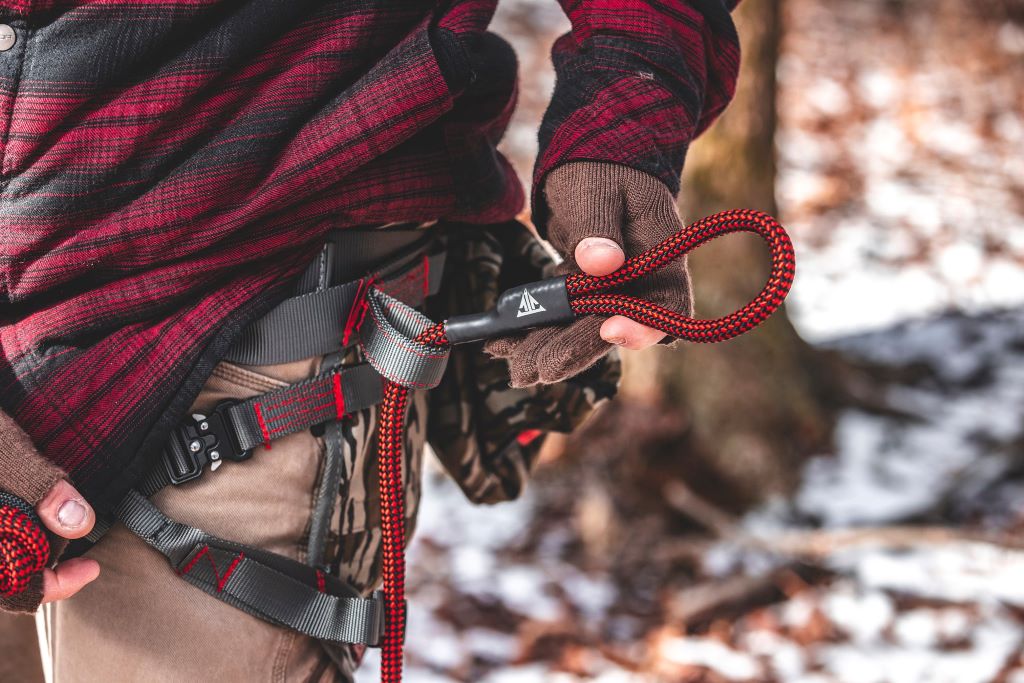
A harness is a critical safety component for saddle hunting. It distributes your weight evenly and provides a secure attachment point for your rope. Choose a harness that is comfortable, adjustable, and made from high-quality materials like nylon or polyester.
Additionally, always wear a helmet when climbing. A helmet protects your head from falling branches, debris, or accidental impacts. Choose a helmet that is comfortable, lightweight, and meets safety standards for climbing.
Stay Hydrated and Rested
Tree climbing is a physically demanding activity. Stay hydrated by drinking plenty of water before, during, and after your climb. Additionally, take regular breaks to rest and stretch your muscles.
Fatigue can impair your judgment and increase the risk of accidents. Listen to your body and avoid pushing yourself too hard, especially in hot or humid conditions.
My Personal Experience with Rappel Ropes for Saddle Hunting
When I first started saddle hunting, I used a basic rope that I had lying around in my garage. It was thin, prone to tangling, and didn’t inspire confidence. It wasn’t long before I realized that investing in a high-quality rappel rope was a necessity.
I decided to purchase a static rope made from polyester, with a diameter of 10mm and a weight capacity of 500 pounds. The difference was immediate. The rope was strong, easy to handle, and provided a secure connection to the tree. I also invested in a good harness and helmet, which made my climbs safer and more comfortable.
One of the best decisions I made was adding a rope sleeve to my setup. This protective cover helped prevent abrasion and extended the life of my rope. I also started inspecting my rope before each climb, which gave me peace of mind and allowed me to enjoy my time in the saddle without worrying about safety.
FAQs
What is the best material for a rappel rope in saddle hunting?
The best material for a rappel rope in saddle hunting depends on your needs and preferences. Nylon is strong and durable but can absorb moisture. Polyester is resistant to moisture, UV damage, and abrasion, making it ideal for outdoor use. Some ropes are made from a blend of both materials, offering a balance of strength and durability.
How do I choose the right diameter for my rappel rope?
The diameter of your rappel rope affects its strength, weight, and ease of use. For most saddle hunters, a rope with a diameter of 9-10mm offers a good balance of strength and manageability. Thicker ropes (10-11mm) are stronger and more durable but can be heavier. Thinner ropes (8-9mm) are lighter and easier to handle but may not be as strong.
Can I use a dynamic rope for saddle hunting?
While dynamic ropes are designed to stretch and absorb shock, they are not typically used for saddle hunting because their stretch can make climbing trees more difficult and less stable. Static ropes are the best choice for saddle hunting, as they provide stable and predictable support.
How often should I inspect my rappel rope?
You should inspect your rappel rope before each climb. Look for fraying, cuts, or weak spots in the material. Additionally, check the ends of the rope for any signs of unraveling or damage to the sheath. Replace your rope immediately if you notice any issues.
What is the best knot for securing my rappel rope?
The best knot for securing your rappel rope depends on your needs and preferences. The bowline knot is a popular choice for attaching the rope to your harness, as it is strong, secure, and easy to untie. The figure-eight follow-through is another reliable option for securing the rope to your harness or anchor point.
Conclusion
Choosing a reliable rappel rope for saddle hunting is essential for your safety and success in the field. By understanding the types of ropes available, the key factors to consider, and the safety tips for using them, you can make an informed decision that meets your needs.
A high-quality rappel rope enhances your saddle hunting experience, reduces the risk of accidents, and gives you confidence during every climb. Whether you’re a beginner or an experienced hunter, investing in the right rope is a small step that can make a big difference in your outdoor adventures.
Have you had any experiences with rappel ropes for saddle hunting that you’d like to share? Leave a comment below, and don’t forget to share this guide with fellow hunters who might find it helpful!