How To Choose a Durable Rappelling Rope for Adventures: A Complete Guide
Rappelling is an exhilarating way to explore cliffs, canyons, and other vertical terrains. Whether you’re a seasoned adventurer or a beginner, choosing the right rappelling rope is crucial for safety and performance. A durable rope ensures that you can descend with confidence, knowing your gear won’t let you down.
I learned the importance of a high-quality rappelling rope during my first canyoneering trip. I had borrowed a rope that was thin, worn, and prone to tangling. Halfway down a 100-foot drop, I noticed fraying near the anchor point. That close call taught me that cutting corners on rope quality isn’t worth the risk. Understanding rappelling rope durability can help you avoid similar mistakes and ensure a safer, more enjoyable adventure.
Why Durability Matters in a Rappelling Rope
Durability is the most critical factor when choosing a rappelling rope. According to the American Alpine Club, rope failure is a leading cause of rappelling accidents, often due to wear, age, or poor-quality materials. A durable rope resists abrasion, UV damage, and moisture, ensuring it remains strong and reliable over time.
Additionally, a durable rope provides better handling and control during descents. A rope that frays or stretches excessively can make rappelling more difficult and increase the risk of accidents. Therefore, investing in a high-quality, durable rope is not just about longevity—it’s about safety.
A well-made rope will also maintain its flexibility and strength, even after repeated use. This is especially important for adventurers who frequently rappel in harsh or abrasive environments, such as rocky canyons or rugged cliffs.
Types of Rappelling Ropes
Static Ropes
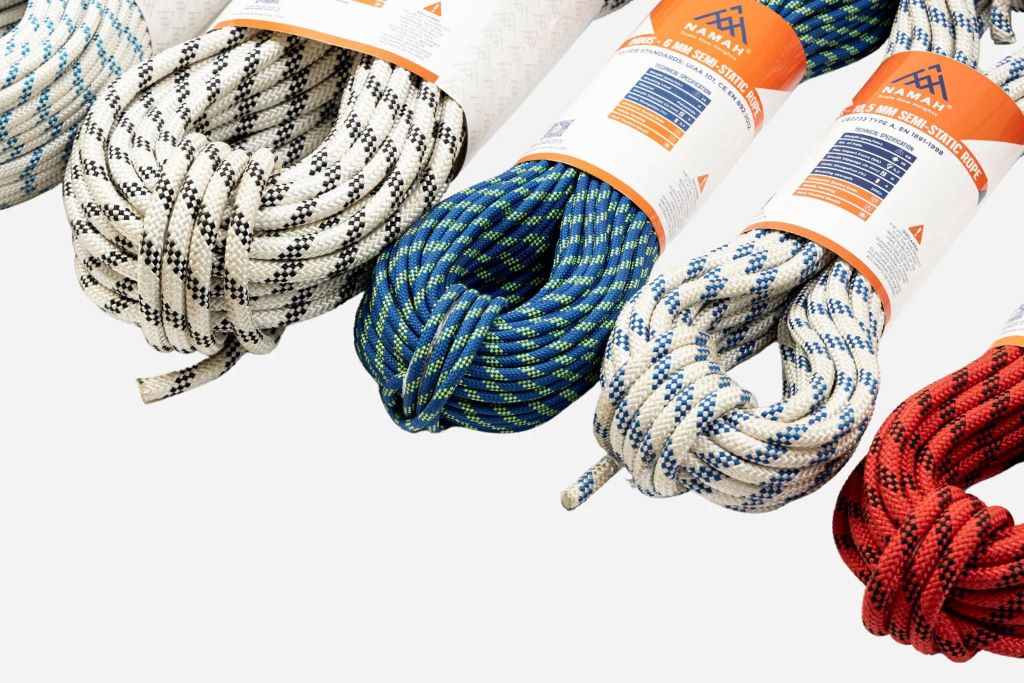
Static ropes are the most common choice for rappelling because they have minimal stretch, providing stability and control during descents. They are typically made from materials like nylon, polyester, or a blend of both, which offer excellent resistance to abrasion and UV damage.
Static ropes are ideal for rappelling because they don’t stretch under load, allowing for precise and controlled movements. They are also highly durable, making them suitable for frequent use in rugged environments. However, static ropes are not designed to absorb shock, so they should not be used for lead climbing or other activities where dynamic stretching is necessary.
For most rappelling adventures, a static rope with a diameter of 9-11mm is a good balance of strength, durability, and ease of use. Thicker ropes provide more durability but can be heavier, while thinner ropes are lighter but may not last as long.
Dynamic Ropes
Dynamic ropes are designed to stretch under load, absorbing the shock of a fall. While they are essential for rock climbing, they are not typically used for rappelling because their stretch can make descents less controlled and more difficult.
However, some adventurers prefer dynamic ropes for rappelling in specific situations, such as when descending from a climb where the rope may need to absorb some shock. If you choose a dynamic rope for rappelling, opt for one with a low stretch ratio to provide better stability during descents.
Half Ropes and Twin Ropes
Half ropes and twin ropes are specialized types of dynamic ropes used in traditional and alpine climbing. While they are not typically used for rappelling, they can be useful in certain situations, such as when rappelling with a partner or in complex terrain.
Half ropes are designed to be used in pairs, while twin ropes are used as a single unit. Both types require careful handling and are best suited for experienced climbers and rappellers who understand their limitations.
Key Factors to Consider When Choosing a Rappelling Rope
Rope Material
The material of your rappelling rope affects its durability, strength, and resistance to environmental factors. Nylon is a popular choice because it is strong, durable, and resistant to abrasion. However, it can absorb moisture, which may cause it to stretch slightly when wet.
Polyester is another excellent option. It is resistant to moisture, UV damage, and abrasion, making it ideal for outdoor use. Some ropes are made from a blend of nylon and polyester, offering a balance of strength and durability.
Additionally, look for ropes with a protective sheath. This outer layer helps resist UV damage, abrasion, and moisture, extending the life of your rope.
Rope Diameter
The diameter of your rappelling rope affects its strength, weight, and ease of use. Thicker ropes (10-11mm) are stronger and more durable but can be heavier and harder to handle. Thinner ropes (8-9mm) are lighter and easier to manage but may not be as strong or durable.
For most rappelling adventures, a rope with a diameter of 9-10mm offers a good balance of strength, durability, and ease of use. However, if you’re rappelling in particularly abrasive or rugged environments, you may want to opt for a thicker rope for added durability.
Rope Length
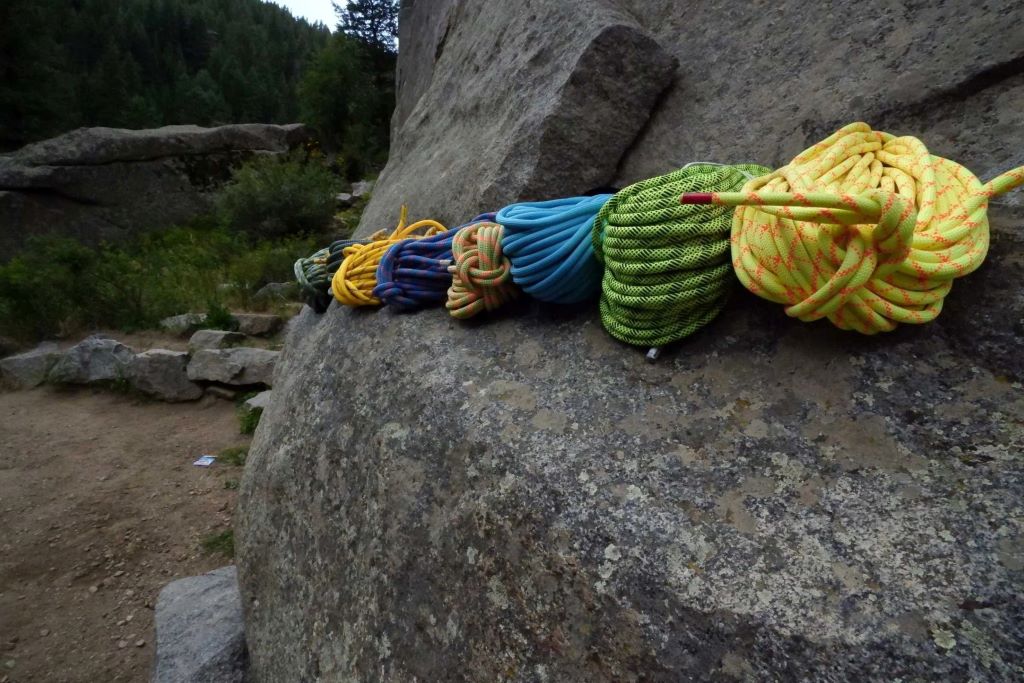
The length of your rappelling rope depends on the type of adventures you plan to undertake. For most rappelling trips, a rope length of 200 feet (60 meters) is sufficient. This allows you to descend most single-pitch rappels and still have enough rope to set up anchors and belays.
If you’re planning to rappel in areas with longer drops or multi-pitch descents, consider a longer rope. However, keep in mind that longer ropes can be heavier and more difficult to manage. Additionally, ensure your rope is long enough to reach the ground or your next anchor point with plenty of slack for knots and safety margins.
Weight Capacity
The weight capacity of your rappelling rope is a critical factor to consider. Ensure that the rope can support your body weight plus the weight of any gear you’ll be carrying. Most rappelling ropes have a weight capacity of at least 300 pounds, but some can support up to 1,000 pounds or more.
Always check the manufacturer’s specifications to ensure the rope meets your needs. If you’re unsure, opt for a rope with a higher weight capacity to provide an extra margin of safety.
Abrasion Resistance
Abrasion resistance is another important consideration, especially if you’ll be rappelling in rocky or rugged environments. Look for ropes with a protective sheath or a tight weave to resist wear and tear.
Additionally, consider ropes with a smooth finish. This reduces friction as the rope passes over rocks or other surfaces, making your descent smoother and extending the life of your rope.
How to Extend the Life of Your Rappelling Rope
Clean Your Rope Regularly
Dirt, sand, and grime can embed themselves in the fibers of your rope, causing abrasion and weakening it over time. To clean your rope, fill a bathtub or large container with lukewarm water and add a mild soap designed for climbing ropes. Submerge the rope and gently agitate it to loosen dirt and grime. Rinse thoroughly and hang it to dry in a shaded, well-ventilated area.
Avoid using harsh chemicals, bleach, or a washing machine, as these can weaken the fibers and reduce the rope’s strength. Regular cleaning removes dirt and grime that can cause abrasion and weaken the rope over time.
Store Your Rope Properly
Proper storage is key to extending the life of your rappelling rope. Store it in a cool, dry place away from direct sunlight and heat sources. Avoid storing your rope in a damp or humid environment, as moisture can lead to mold and mildew.
Additionally, store your rope loosely coiled or in a rope bag to prevent kinks and tangles. Avoid hanging it for long periods, as this can cause the rope to stretch or develop permanent bends. If you must hang your rope, use a wide, flat surface to distribute the weight evenly.
Inspect Your Rope Before and After Each Use
Regular inspection is crucial for identifying potential issues before they become serious problems. Before and after each rappel, inspect your rope for signs of wear, such as:
- Fraying or cuts on the sheath
- Soft or flat spots, which may indicate core damage
- Discoloration or stiffness, which can be a sign of UV damage or chemical exposure
- Abrasion or wear in high-contact areas, such as near the ends or where the rope runs through carabiners
If you notice any of these issues, retire your rope immediately. Even small signs of damage can compromise its strength and safety.
Avoid Sharp Edges and Rough Surfaces
When rappelling, avoid running your rope over sharp edges or rough surfaces, as this can cause fraying or cuts. Use edge protectors or padding to shield your rope from abrasion. Additionally, avoid dragging your rope on the ground, as dirt and rocks can wear down the fibers over time.
If you must rappel over a sharp edge, use a carabiner or other protective device to redirect the rope and prevent direct contact with the edge.
My Personal Experience with Rappelling Ropes
When I first started rappelling, I used a basic rope that I had lying around in my garage. It was thin, prone to tangling, and didn’t inspire confidence. It wasn’t long before I realized that investing in a high-quality rappelling rope was a necessity.
I decided to purchase a static rope made from polyester, with a diameter of 10mm and a weight capacity of 500 pounds. The difference was immediate. The rope was strong, easy to handle, and provided a secure connection to my anchor points. I also invested in a rope bag, which made it easier to transport and protect my rope from dirt and moisture.
One of the best decisions I made was adding a rope sleeve to my setup. This protective cover helped prevent abrasion and extended the life of my rope. I also started inspecting my rope before and after each rappel, which gave me peace of mind and allowed me to enjoy my adventures without worrying about safety.
FAQs
What is the best material for a rappelling rope?
The best material for a rappelling rope depends on your needs and preferences. Nylon is strong and durable but can absorb moisture. Polyester is resistant to moisture, UV damage, and abrasion, making it ideal for outdoor use. Some ropes are made from a blend of both materials, offering a balance of strength and durability.
How do I choose the right diameter for my rappelling rope?
The diameter of your rappelling rope affects its strength, weight, and ease of use. For most rappelling adventures, a rope with a diameter of 9-10mm offers a good balance of strength, durability, and ease of use. Thicker ropes (10-11mm) are stronger and more durable but can be heavier. Thinner ropes (8-9mm) are lighter and easier to handle but may not be as strong.
Can I use a dynamic rope for rappelling?
While dynamic ropes are designed to stretch and absorb shock, they are not typically used for rappelling because their stretch can make descents less controlled and more difficult. Static ropes are the best choice for rappelling, as they provide stability and predictability during descents.
How often should I inspect my rappelling rope?
You should inspect your rappelling rope before and after each use. Look for fraying, cuts, soft spots, or discoloration. Additionally, check the ends of the rope for any signs of unraveling or damage to the sheath. Replace your rope immediately if you notice any issues.
What is the best way to store my rappelling rope?
The best way to store your rappelling rope is in a cool, dry place away from direct sunlight and heat sources. Store it loosely coiled or in a rope bag to prevent kinks and tangles. Avoid hanging it for long periods, as this can cause the rope to stretch or develop permanent bends.
Conclusion
Choosing a durable rappelling rope is essential for safe and enjoyable adventures. By understanding the types of ropes available, the key factors to consider, and how to extend the life of your rope, you can make an informed decision that meets your needs.
A high-quality rappelling rope enhances your outdoor experience, reduces the risk of accidents, and gives you confidence during every descent. Whether you’re a beginner or an experienced adventurer, investing in the right rope is a small step that can make a big difference in your rappelling adventures.
Have you had any experiences with rappelling ropes that you’d like to share? Leave a comment below, and don’t forget to share this guide with fellow adventurers who might find it helpful!