How To Choose an Arborist Rope Kit for Tree Climbing: A Complete Guide
Tree climbing is a rewarding but demanding task, whether you’re a professional arborist or a hobbyist. The right arborist rope kit can make the difference between a safe, efficient climb and a frustrating or even dangerous experience. A well-chosen rope kit ensures stability, durability, and ease of use, allowing you to focus on the job at hand.
I remember my first attempt at tree climbing with a borrowed rope kit. The rope was too thin, the carabiners were stiff, and the entire setup felt unreliable. It wasn’t until I invested in a high-quality arborist rope kit that I truly understood the importance of choosing the right gear. If you’re new to tree climbing, checking out an arborist rope kit guide can help you make an informed decision.
Why a Quality Arborist Rope Kit Matters
A quality arborist rope kit is essential for safety, efficiency, and longevity. According to the Tree Care Industry Association (TCIA), falls from trees are one of the leading causes of injuries among arborists. A reliable rope kit reduces the risk of accidents by providing secure support and easy maneuverability.
Additionally, a good rope kit enhances your climbing experience. It allows for smoother ascents and descents, reduces fatigue, and makes it easier to carry tools and equipment. Poor-quality ropes can fray, stretch, or snap under pressure, putting you at risk.
Therefore, investing in a high-quality arborist rope kit is not just about performance—it’s about safety. A well-made kit will last for years, saving you money and giving you peace of mind during every climb.
Key Components of an Arborist Rope Kit
Climbing Rope
The climbing rope is the backbone of your arborist rope kit. It must be strong, durable, and resistant to abrasion. Most arborist ropes are made from high-strength polyester or nylon, which offer excellent resistance to wear and tear.
The diameter of the rope is also important. Thicker ropes (around 11-13mm) are more durable and provide better grip, but they can be heavier. Thinner ropes (8-10mm) are lighter and easier to handle but may not be as strong. For most climbers, a 12mm rope strikes a good balance between strength and manageability.
Additionally, look for ropes with a low stretch ratio. This ensures stability and control during climbs. Some ropes also come with a protective sheath to resist UV damage and abrasion.
Harness
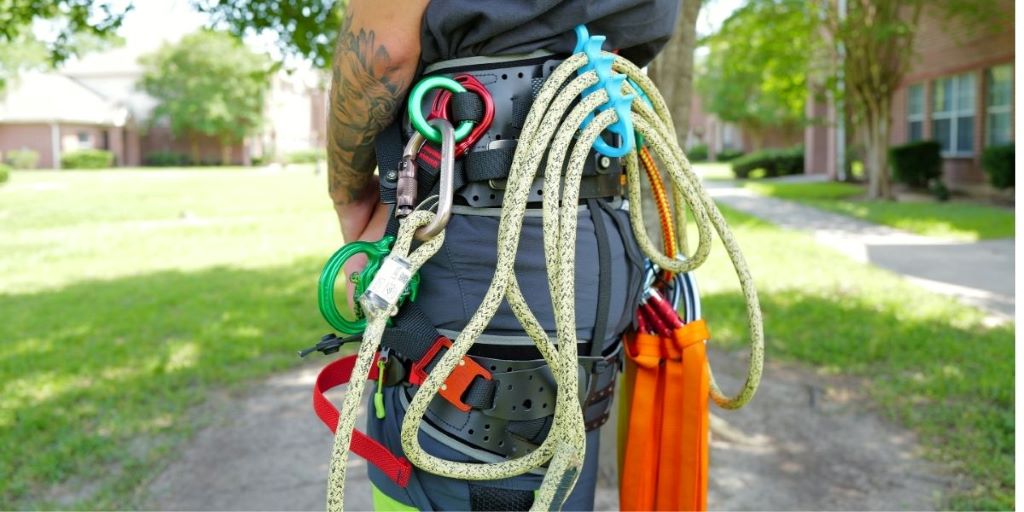
A harness is a critical safety component of your arborist rope kit. It distributes your weight evenly and provides a secure attachment point for your rope and other gear. A good harness should be comfortable, adjustable, and made from high-quality materials like nylon or polyester.
Look for a harness with padded leg loops and a waist belt for added comfort during long climbs. Additionally, ensure it has multiple attachment points for tools and equipment. Some harnesses also come with built-in loops for securing carabiners and other gear.
Carabiners
Carabiners are essential for connecting your rope to your harness and other equipment. They come in various shapes and sizes, including locking and non-locking designs. Locking carabiners are safer for critical connections, while non-locking carabiners are lighter and easier to use for quick attachments.
Choose carabiners made from high-strength aluminum or steel. Additionally, look for models with a smooth gate action to prevent snagging. Some carabiners also come with a keylock mechanism to prevent accidental opening.
Pulley System
A pulley system is a valuable addition to your arborist rope kit, especially for professional climbers. It allows you to lift heavy branches or equipment with ease. Look for a pulley with a high weight capacity and smooth operation.
Additionally, consider a pulley with a built-in progress capture system. This allows you to secure the rope in place without constantly holding tension, making your climb safer and more efficient.
Throw Line and Throw Bag
A throw line and throw bag are essential for setting up your climbing rope in the tree. The throw line is a lightweight, high-strength rope that you use to launch the throw bag into the tree. The throw bag is a weighted pouch that helps the line reach higher branches.
Choose a throw line that is at least 50 feet long and made from a low-stretch material like Dyneema or Spectra. The throw bag should be durable and easy to grip, with a weight of around 12-16 ounces for optimal throwing distance.
Types of Arborist Rope Kits
Basic Rope Kits
Basic arborist rope kits are designed for beginners or occasional climbers. They typically include a climbing rope, a harness, and a few carabiners. These kits are affordable and easy to use, making them a great starting point for hobbyists.
However, basic kits may lack some of the advanced features found in professional kits, such as a pulley system or throw line. If you plan to do more serious climbing, you may need to upgrade your kit over time.
Professional Rope Kits
Professional arborist rope kits are designed for experienced climbers and arborists. They include high-quality components like a durable climbing rope, a comfortable harness, multiple carabiners, a pulley system, and a throw line with a throw bag.
These kits are built for durability and performance, making them ideal for frequent use. They often come with additional features like adjustable straps, padded harnesses, and high-strength materials. While they are more expensive, they offer better safety and efficiency for professional climbers.
Custom Rope Kits
If you have specific needs or preferences, you can create a custom arborist rope kit. This allows you to choose each component individually, ensuring that every part of your kit meets your exact requirements.
Custom kits are ideal for climbers who have unique demands, such as those working with particularly large or small trees. However, they can be more expensive and require a deeper understanding of the gear to ensure compatibility and safety.
Factors to Consider When Choosing an Arborist Rope Kit
Rope Length and Diameter
The length and diameter of your climbing rope are critical factors to consider. For most tree climbing tasks, a rope length of 150-200 feet is sufficient. However, if you’re working with very tall trees, you may need a longer rope.
The diameter of the rope affects its strength and ease of use. Thicker ropes (12-13mm) are stronger and more durable but can be heavier and harder to handle. Thinner ropes (10-11mm) are lighter and easier to manage but may not be as strong. Choose a diameter that balances strength and manageability for your needs.
Weight Capacity
The weight capacity of your arborist rope kit is another important consideration. Ensure that the rope, harness, and carabiners can support your body weight plus the weight of any tools or equipment you’ll be carrying.
Most arborist rope kits have a weight capacity of at least 300 pounds, but some professional kits can support up to 500 pounds or more. Always check the manufacturer’s specifications to ensure the kit meets your needs.
Material and Durability
The material of your rope and other components affects their durability and performance. Look for ropes made from high-strength polyester or nylon, which offer excellent resistance to abrasion and UV damage.
Additionally, choose a harness and carabiners made from high-quality materials like nylon, aluminum, or steel. These materials provide strength and durability, ensuring your kit lasts for years.
Comfort and Fit
Comfort is key when choosing an arborist rope kit, especially if you’ll be climbing for extended periods. Look for a harness with padded leg loops and a waist belt for added comfort. Additionally, ensure the harness is adjustable to fit your body snugly.
The rope should also be comfortable to grip and handle. Some ropes come with a textured or rubberized coating to improve grip and reduce hand fatigue.
Ease of Use
Ease of use is another important factor to consider. Look for a rope kit that is easy to set up and use, with intuitive connections and adjustments. Additionally, consider the weight of the kit. A lighter kit is easier to carry and maneuver, especially during long climbs.
Safety Tips for Using an Arborist Rope Kit
Inspect Your Gear Regularly
Before each climb, inspect your arborist rope kit for any signs of wear or damage. Look for fraying, cuts, or weak spots in the rope. Additionally, check the harness, carabiners, and other components for any issues.
If you notice any damage, replace the affected part immediately. Using damaged gear can put you at risk of accidents and injuries.
Use Proper Climbing Techniques
Proper climbing techniques are essential for safety and efficiency. Always maintain three points of contact with the tree or rope, and avoid leaning too far to the side. Additionally, use your legs to push yourself up rather than relying solely on your arms.
Practice your climbing techniques on the ground before attempting to climb a tree. This will help you build confidence and ensure you’re using the right movements.
Secure Your Rope Properly
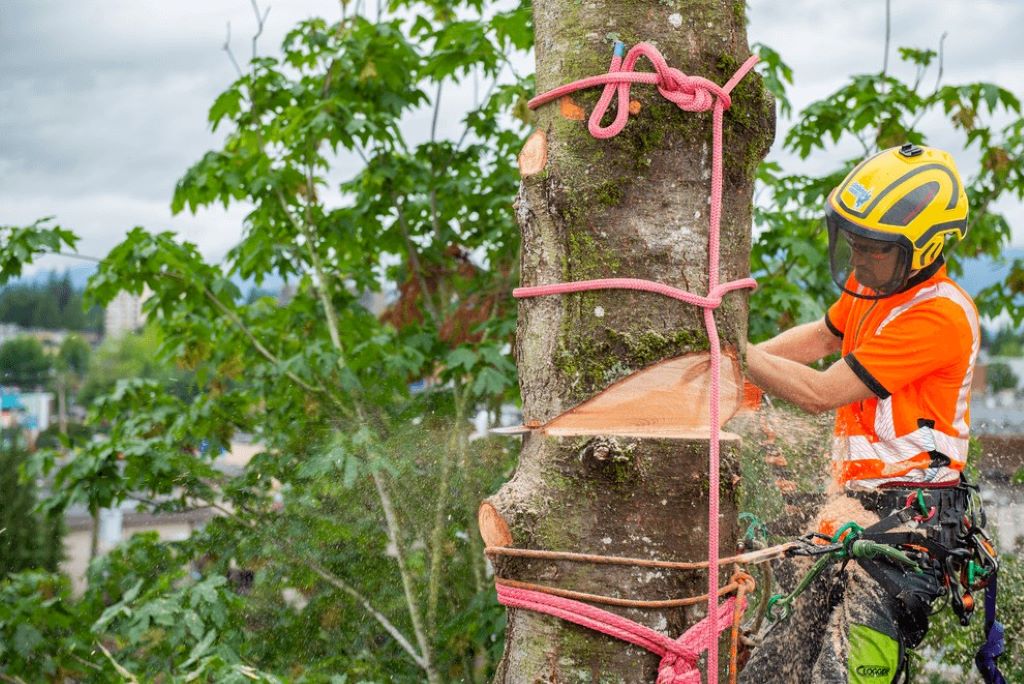
Always secure your rope properly to the tree and your harness. Use a strong, reliable knot like the bowline or figure-eight follow-through to attach the rope to your harness. Additionally, ensure the rope is securely anchored to the tree using a sturdy branch or trunk.
Avoid wrapping the rope around sharp edges or branches, as this can cause fraying or damage. Use a cambium saver or other protective gear to prevent harm to the tree.
Wear a Helmet
A helmet is a critical safety component for tree climbing. It protects your head from falling branches, debris, or accidental impacts. Choose a helmet that is comfortable, lightweight, and meets safety standards for climbing.
Additionally, ensure the helmet fits snugly and is properly secured with a chin strap. A loose or improperly fitted helmet may not provide adequate protection in case of an accident.
Stay Hydrated and Rested
Tree climbing is a physically demanding activity. Stay hydrated by drinking plenty of water before, during, and after your climb. Additionally, take regular breaks to rest and stretch your muscles.
Fatigue can impair your judgment and increase the risk of accidents. Listen to your body and avoid pushing yourself too hard, especially in hot or humid conditions.
My Personal Experience with Arborist Rope Kits
When I first started tree climbing, I used a basic arborist rope kit that I borrowed from a friend. The rope was thin and prone to tangling, and the harness was uncomfortable and difficult to adjust. It wasn’t long before I realized that investing in a high-quality kit was a necessity.
I decided to purchase a professional arborist rope kit with a 12mm polyester rope, a padded harness, and multiple locking carabiners. The difference was night and day. The rope was strong and easy to handle, the harness was comfortable, and the carabiners provided secure connections.
One of the best decisions I made was adding a pulley system to my kit. This allowed me to lift heavy branches with ease, making my climbs safer and more efficient. I also invested in a high-quality throw line and throw bag, which made setting up my rope much easier.
Now, I always inspect my gear before each climb and replace any worn or damaged components immediately. This has given me peace of mind and allowed me to enjoy tree climbing with confidence.
FAQs
What is the best rope diameter for tree climbing?
The best rope diameter for tree climbing depends on your needs and preferences. For most climbers, a 12mm rope offers a good balance of strength, durability, and ease of use. Thicker ropes (13mm) are stronger and more durable but can be heavier. Thinner ropes (10-11mm) are lighter and easier to handle but may not be as strong.
How do I choose the right harness for tree climbing?
Choose a harness that is comfortable, adjustable, and made from high-quality materials like nylon or polyester. Look for a harness with padded leg loops and a waist belt for added comfort during long climbs. Additionally, ensure it has multiple attachment points for tools and equipment.
Can I use a basic arborist rope kit for professional climbing?
While a basic arborist rope kit can be used for professional climbing, it may lack some of the advanced features found in professional kits, such as a pulley system or throw line. If you plan to do frequent or serious climbing, consider investing in a professional kit for better safety and efficiency.
How often should I inspect my arborist rope kit?
You should inspect your arborist rope kit before each climb. Look for fraying, cuts, or weak spots in the rope, and check the harness, carabiners, and other components for any signs of wear or damage. Replace any damaged parts immediately to ensure your safety.
What is the best knot for securing my climbing rope?
The best knot for securing your climbing rope depends on your needs and preferences. The bowline knot is a popular choice for attaching the rope to your harness, as it is strong, secure, and easy to untie. The figure-eight follow-through is another reliable option for securing the rope to your harness or anchor point.
Conclusion
Choosing the right arborist rope kit is essential for safe and efficient tree climbing. By understanding the key components, types of kits, and factors to consider, you can make an informed decision that meets your needs and budget.
A high-quality arborist rope kit enhances your climbing experience, reduces the risk of accidents, and gives you peace of mind during every climb. Whether you’re a beginner or a professional, investing in the right gear is a small step that can make a big difference in your tree climbing adventures.
Have you had any experiences with arborist rope kits that you’d like to share? Leave a comment below, and don’t forget to share this guide with fellow climbers who might find it helpful!