Ropes That Haul: From Fields to Factories
From ancient agriculture to modern industrial marvels, ropes have remained one of the most indispensable tools in human history. Whether pulling a plow or powering a pulley, ropes have evolved dramatically—both in material and application. Today, they’re not just tools of tension; they’re engineered lifelines that connect industries, drive logistics, and support infrastructure.
The Backbone of Agriculture
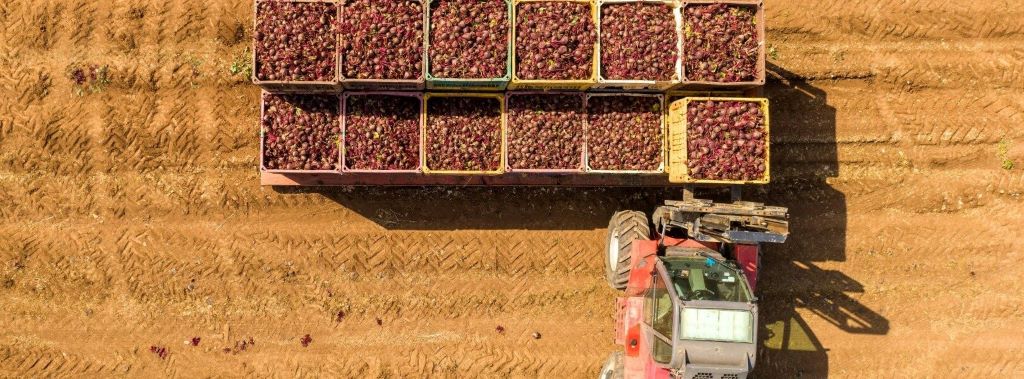
In the early days of farming, ropes were crafted from natural fibers like hemp, jute, and sisal. These materials were abundant, biodegradable, and strong enough to tether livestock, haul water, and bind hay. Farmers relied on ropes to lift heavy loads, secure gates, and even guide irrigation systems.
According to the USDA, over 60% of small-scale farms still use rope-based systems for basic hauling and lifting tasks. The simplicity and reliability of rope make it ideal for environments where mechanical alternatives are either too costly or impractical.
However, natural fiber ropes degrade quickly under moisture and UV exposure. This limitation led to the rise of synthetic alternatives, which now dominate agricultural use.
The Rise of Synthetic Rope Technology
Modern rope manufacturing has shifted toward synthetic fibers like nylon, polyester, and polypropylene. These materials offer superior strength, resistance to abrasion, and longer lifespans. Nylon ropes, for instance, can stretch under load, absorbing shock—ideal for towing and dynamic loads.
Polypropylene ropes are lightweight and float on water, making them perfect for marine and irrigation applications. Polyester ropes, on the other hand, resist UV damage and maintain strength even when wet.
High-performance ropes made from Kevlar and Spectra are now used in specialized agricultural machinery and safety systems. These ropes can withstand extreme tension and are often employed in winching systems and automated harvesters.
Industrial Applications: Beyond the Basics
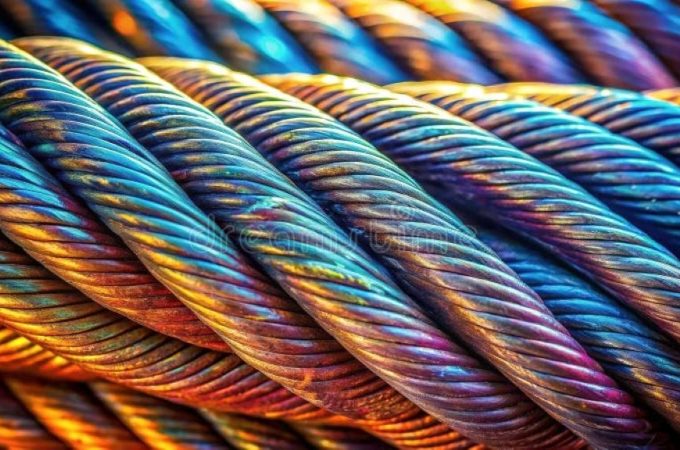
In factories, ropes are no longer just tools—they’re engineered components. Steel wire ropes, for example, are used in elevators, cranes, and conveyor systems. Their tensile strength and durability make them ideal for repetitive, high-load operations.
Fatzer, a leading rope manufacturer, produces tailor-made steel ropes for cable cars, stadium roofs, and even bridges. Their ropes undergo rigorous testing, including tensile strength certification and inspection body approvals, ensuring safety and reliability.
Teufelberger’s SOLITEC® hauling ropes are designed for material ropeways, capable of transporting large volumes over long distances. These ropes feature radial stability and minimal elongation, crucial for maintaining operational efficiency in industrial settings.

Rope Manufacturing: Twisting and Braiding
There are two primary methods of rope construction: twisting and braiding. Twisted ropes, also known as laid ropes, involve coiling fibers in a helical structure. Braided ropes interweave strands for a smoother, more flexible finish.
Twisted ropes are easier to splice and repair, making them popular in agriculture and marine settings. Braided ropes, however, offer higher strength-to-weight ratios and are preferred in climbing, rescue, and industrial applications.
Standards and Safety Regulations
In the U.S., rope manufacturing and usage are governed by OSHA standards. These regulations cover fall protection, rigging, and rescue operations. Manufacturers must meet stringent testing protocols to ensure ropes can handle specified loads without failure.
Additionally, ANSI and ASTM provide guidelines for rope performance, including elongation, abrasion resistance, and environmental durability. These standards help industries choose the right rope for their specific needs.
Environmental Considerations
While synthetic ropes offer durability, they pose environmental challenges. Most are petroleum-based and non-biodegradable. However, manufacturers are now exploring eco-friendly alternatives, including recycled polyester and bio-based polymers.
Some companies have begun producing ropes from bamboo fiber and flax, which offer moderate strength and biodegradability. Though not yet mainstream, these innovations signal a shift toward sustainable rope solutions.
Featured Snippet: What Makes Industrial Ropes Different from Agricultural Ropes?
Industrial ropes differ from agricultural ropes in material, construction, and performance. Agricultural ropes often use natural or basic synthetic fibers for tasks like binding and hauling. Industrial ropes, however, are engineered for high-load, repetitive operations and often include steel wire or high-performance synthetics like Kevlar. They undergo rigorous testing and comply with safety standards such as OSHA and ANSI. Their applications range from elevators and cranes to cable cars and structural supports, requiring superior tensile strength, minimal elongation, and long-term durability.
FAQs
- What are the most common materials used in rope manufacturing?
Synthetic fibers like nylon, polyester, and polypropylene dominate modern rope production due to their strength and durability. - How are ropes tested for industrial use?
Manufacturers conduct tensile tests, abrasion resistance checks, and elongation measurements under standards set by OSHA and ANSI. - What is the difference between twisted and braided ropes?
Twisted ropes are coiled strands, easier to splice. Braided ropes interweave fibers for higher strength and flexibility. - Are natural fiber ropes still used today?
Yes, especially in agriculture and decorative applications. However, they degrade faster and are less durable than synthetics. - Can ropes be recycled?
Some synthetic ropes, like those made from recycled polyester, are recyclable. However, most ropes end up in landfills due to mixed materials. - What industries rely most on high-performance ropes?
Construction, marine, rescue, climbing, and transportation industries use ropes engineered for extreme loads and conditions. - How long do industrial ropes typically last?
Depending on usage and environment, steel wire ropes can last 10–20 years, while synthetic ropes may last 5–10 years with proper maintenance.
Final Thought
Ropes have come a long way—from binding hay in fields to lifting tons in factories. Their evolution reflects the ingenuity of human engineering and the demands of modern industry. Whether you’re a farmer, a factory manager, or an engineer, choosing the right rope can mean the difference between efficiency and failure.
As industries grow and sustainability becomes a priority, the future of rope technology lies in innovation—stronger, smarter, and greener solutions that continue to haul the weight of progress.
Ready to upgrade your rope systems? Explore certified suppliers and consult with rope engineers to find the perfect fit for your needs. Your next haul could be safer, stronger, and more sustainable.
Read More: