
Tension and Tradition: Ropes That Work Hard
Picture this: a single strand of twisted fibers holding 30,000 pounds of cargo suspended hundreds of feet above ground. This isn’t science fiction – it’s the remarkable reality of modern rope engineering. From ancient Egyptian pyramids to today’s skyscrapers, ropes have literally held civilization together.
The Science Behind Strength
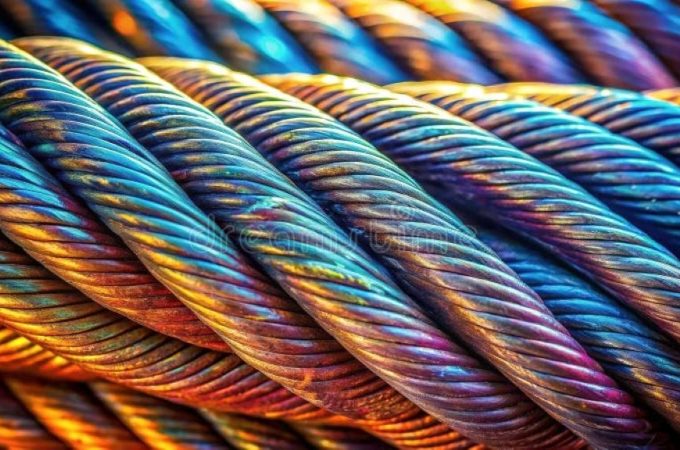
Modern rope manufacturing combines centuries-old techniques with cutting-edge materials science. Traditional natural fibers like hemp and manila created ropes with breaking strengths around 15,000 pounds per square inch. However, synthetic materials revolutionized the industry completely. Polyester ropes achieve breaking strengths exceeding 40,000 pounds per square inch, while ultra-high molecular weight polyethylene reaches an astounding 60,000 pounds per square inch.
The secret lies in molecular alignment during manufacturing. Engineers stretch synthetic fibers under controlled tension, creating parallel molecular chains that distribute load evenly. This process, called drawing, increases tensile strength by up to 300% compared to unstretched fibers. Additionally, braided construction patterns distribute stress across multiple load paths, preventing catastrophic failure from single point weaknesses.
Industry Applications and Market Growth
The global rope market reached $4.2 billion in 2023, with marine applications accounting for 35% of demand. Commercial fishing vessels rely on specialized ropes designed for saltwater resistance and extreme weather conditions. These maritime ropes undergo rigorous testing, including 10,000-cycle fatigue tests and ultraviolet exposure equivalent to five years of continuous sunlight.
Construction industries consume approximately 28% of rope production annually. High-rise building projects require ropes certified for human loads, typically rated at 5,400 pounds minimum breaking strength with 15:1 safety factors. Therefore, a rope supporting a 180-pound worker must withstand 2,700 pounds without failure. Quality control standards mandate testing every production batch to ensure consistent performance.
Traditional Craftsmanship Meets Modern Innovation
Artisan rope makers still practice traditional techniques passed down through generations. Hand-spliced eyes, created by weaving rope ends back through themselves, achieve 90% of the rope’s original strength. Machine splices, while faster to produce, typically reach only 75% strength retention. Consequently, critical applications like yacht rigging still demand hand-crafted connections.
Natural fiber ropes maintain advantages in specific applications despite synthetic alternatives. Manila rope stretches 15-20% under load, providing shock absorption crucial for dock lines and anchor rodes. Hemp rope resists abrasion better than many synthetics, making it ideal for traditional block and tackle systems. Furthermore, natural fibers biodegrade completely, supporting environmental sustainability initiatives.
Safety Standards and Testing Protocols
Rope safety regulations vary dramatically across industries and geographical regions. The Occupational Safety and Health Administration requires fall protection ropes to withstand 5,000 pounds of force. European standards, governed by EN 1891, demand even stricter criteria with dynamic testing protocols simulating real-world conditions.
Testing laboratories subject ropes to extreme conditions including temperature cycles from -40°F to 200°F. Salt spray chambers simulate decades of marine exposure in accelerated timeframes. Moreover, cyclic loading tests replicate millions of load cycles, identifying potential failure modes before products reach market. These comprehensive evaluations ensure worker safety across countless applications.

Environmental Impact and Sustainability
Synthetic rope production generates significant environmental concerns through petroleum-based raw materials and energy-intensive manufacturing processes. However, synthetic ropes last 5-10 times longer than natural alternatives, reducing replacement frequency and overall resource consumption. Recycling programs now process used climbing and marine ropes into playground surfaces and automotive components.
Bio-based alternatives are emerging as viable options for environmentally conscious applications. Ropes manufactured from recycled plastic bottles demonstrate strength comparable to virgin polyester while diverting waste from landfills. Additionally, companies are developing biodegradable synthetic fibers that maintain performance characteristics while breaking down naturally after disposal.
Technological Advances Shaping the Future
Smart rope technology integrates sensors directly into fiber construction, monitoring load, wear, and environmental exposure in real-time. These intelligent systems alert operators before failure occurs, preventing accidents and optimizing replacement schedules. Data collected from sensor networks helps manufacturers improve designs and predict performance under various conditions.
Nanotechnology applications promise even stronger materials through carbon nanotube integration. Laboratory tests demonstrate potential strength increases of 400% over current synthetic materials. However, manufacturing costs remain prohibitive for widespread adoption. Research continues into cost-effective production methods that could revolutionize rope performance within the next decade.
Economic Impact Across Industries
The rope industry supports over 50,000 jobs globally, from raw material suppliers to specialized manufacturers. Small businesses often dominate niche markets, creating custom solutions for unique applications. Marine rope splicing services generate millions in annual revenue, while climbing rope manufacturers contribute significantly to outdoor recreation economies.
International trade regulations affect rope pricing and availability across different markets. Tariffs on synthetic materials can increase costs by 15-25%, forcing manufacturers to adjust pricing strategies. Therefore, supply chain diversity becomes crucial for maintaining competitive positioning in global markets.
Featured Snippet: What Makes Ropes Work Under Extreme Tension?
Ropes handle extreme tension through three key mechanisms: material strength, construction design, and load distribution. High-strength synthetic fibers like polyethylene provide base tensile strength, while braided or twisted construction spreads loads across multiple pathways. Additionally, proper splicing techniques maintain 90% of original rope strength at connection points. Modern ropes combine these elements to achieve working loads exceeding 20,000 pounds while maintaining safety factors of 5:1 or higher. Quality manufacturing ensures consistent performance through rigorous testing protocols including fatigue cycling, environmental exposure, and destructive load testing that validates real-world performance capabilities.
Frequently Asked Questions
What is the strongest type of rope available today? Ultra-high molecular weight polyethylene (UHMWPE) ropes offer the highest strength-to-weight ratio, with breaking strengths exceeding 60,000 pounds per square inch. These specialized ropes cost significantly more than traditional alternatives but provide unmatched performance in critical applications.
How do you determine the proper rope size for a specific application? Calculate the maximum expected load, then apply appropriate safety factors based on industry standards. Divide the breaking strength by the safety factor to determine working load limits. Consult manufacturer specifications and consider environmental factors like temperature and chemical exposure.
What causes rope failure in real-world applications? Abrasion accounts for 60% of rope failures, followed by overloading at 25% and chemical degradation at 15%. Regular inspection programs identify wear patterns before catastrophic failure occurs. Proper storage and handling techniques significantly extend rope service life.
How often should ropes be inspected and replaced? Inspection frequency depends on usage intensity and environmental conditions. Critical applications require daily visual inspections with detailed examinations monthly. Replace ropes when wear exceeds 10% of original diameter or when cuts penetrate more than 25% of cross-sectional area.
Can synthetic ropes be repaired if damaged? Minor damage to synthetic ropes can sometimes be addressed through professional splicing services. However, repairs reduce overall strength by 10-25% and require careful evaluation of safety implications. Critical applications typically require complete replacement rather than repair.
What environmental factors affect rope performance most significantly? Ultraviolet radiation, temperature extremes, and chemical exposure pose the greatest threats to rope integrity. UV degradation reduces strength by 2-3% annually in direct sunlight. Temperature cycling causes expansion and contraction that weakens fiber bonds over time.
How do natural and synthetic ropes compare in marine applications? Synthetic ropes resist rot and maintain consistent strength when wet, making them superior for permanent installations. Natural fiber ropes provide better grip and shock absorption, preferred for temporary applications and traditional vessels where handling characteristics matter more than ultimate strength.
Final Thoughts
The evolution of rope technology demonstrates humanity’s relentless pursuit of stronger, safer, and more reliable tools. From ancient twisted plant fibers to modern engineered polymers, ropes continue adapting to meet increasingly demanding applications. Understanding these materials’ capabilities and limitations ensures proper selection for specific needs while maintaining safety standards that protect lives and property.
Whether you’re rigging a sailboat, securing construction materials, or planning an outdoor adventure, choosing the right rope requires careful consideration of multiple factors. Material properties, construction methods, environmental conditions, and safety requirements all influence optimal selection. Invest time in understanding these variables, and your ropes will serve reliably for years to come.
Ready to find the perfect rope for your next project? Consult with certified rigging professionals who can evaluate your specific requirements and recommend solutions that balance performance, safety, and cost-effectiveness.
Read More: