How to Use Rope Clamps with Screws for Secure and Reliable Fastening
Rope clamps with screws are small tools, yet they play a big role in safety and strength. Whether you are securing a load, building a DIY structure, or setting up outdoor gear, proper fastening matters. According to the Occupational Safety and Health Administration, improper rigging and fastening cause thousands of workplace injuries each year. Meanwhile, studies from National Institute for Occupational Safety and Health show that secure connections can reduce failure risks by over 40 percent. That is why learning how to use rope clamps with screws correctly is not optional. It is essential. This guide explains everything in a clear, practical way so you can fasten ropes safely and confidently.
What Are Rope Clamps with Screws?
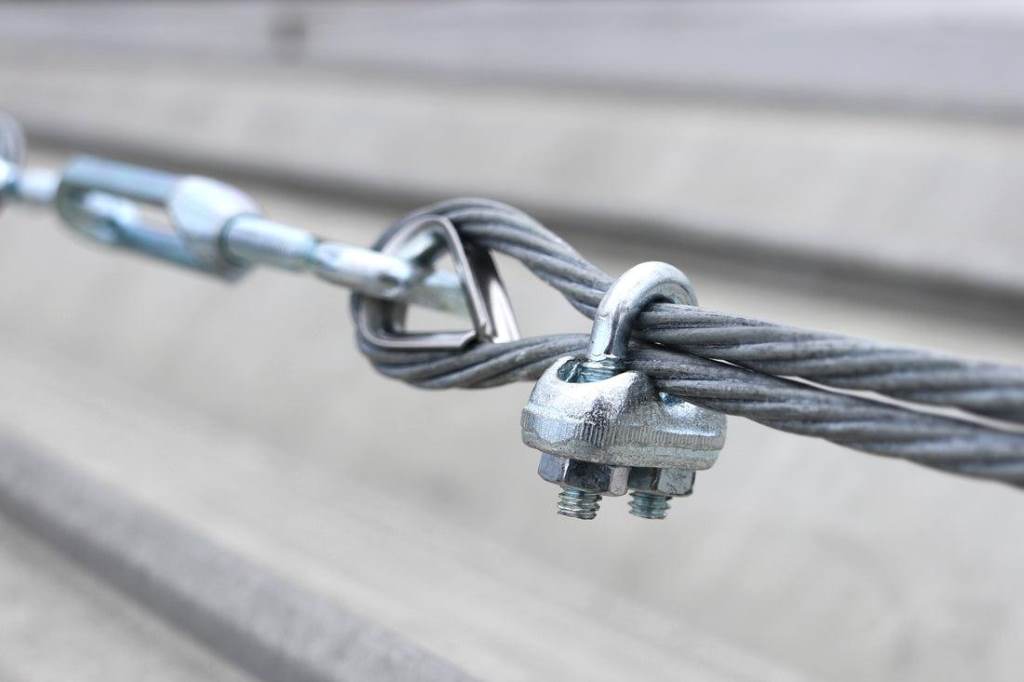
Rope clamps with screws, often called wire rope clips, are mechanical fasteners used to secure the ends of a rope or cable. They typically include a U shaped bolt, a saddle, and two nuts that tighten down to hold the rope firmly. This simple design creates a strong grip that prevents slipping.
These clamps work by compressing the rope between the saddle and the bolt. As you tighten the screws, the pressure increases, which locks the rope in place. Because of this design, they are widely used in construction, marine setups, and home projects.
Most importantly, they are easy to install. However, incorrect use can weaken the rope instead of strengthening it. Therefore, understanding their proper function is key to safe and reliable fastening.
Types of Rope Clamps You Should Know
Different projects require different clamp types. Choosing the right one improves both strength and durability.
1. Standard Wire Rope Clamps
These are the most common. They work well for general use such as securing cables, creating loops, and basic rigging tasks.
2. Stainless Steel Rope Clamps
These resist rust and corrosion. Therefore, they are ideal for outdoor, marine, or humid environments.
3. Heavy Duty Clamps
These are designed for high load applications. They provide stronger grip and better performance under stress.
4. Drop Forged vs Malleable Clamps
- Drop forged clamps offer higher strength and durability
- Malleable clamps are more affordable but less robust
Choosing the correct type depends on your load, environment, and safety requirements.
When and Why You Should Use Rope Clamps with Screws
Rope clamps serve many purposes. However, their main role is to create secure loops or joins in rope or cable.
You should use them when:
- You need to form a loop at the end of a cable
- You want to secure two rope ends together
- You are fixing a cable to a fixed point
- You need temporary or adjustable fastening
They are popular in:
- Construction and scaffolding
- Marine and boating setups
- Home improvement projects
- Outdoor and survival gear
Because of their flexibility, they are a go to solution for both professionals and DIY users.
Tools and Materials You Need
Before starting, gather all required tools. Preparation saves time and improves accuracy.
You will need:
- Rope clamps with screws
- A wrench or socket set
- Measuring tape
- Gloves for safety
- The rope or cable you are working with
Using proper tools ensures even tightening and prevents damage to the clamp or rope.
Step by Step Guide: How to Use Rope Clamps with Screws
Step 1: Choose the Right Clamp Size
Always match the clamp size to your rope diameter. A clamp that is too large will not grip properly. On the other hand, a clamp that is too small can damage the rope.
Measure the rope carefully before selecting the clamp. This step ensures a secure and safe connection.
Step 2: Position the Rope Correctly
Create the loop or alignment you need. Then place the clamp over the rope.
Follow this key rule:
Never saddle a dead horse.
This means the saddle should sit on the live or load bearing side of the rope, not the loose end.
Step 3: Install the U Bolt and Saddle
Place the U bolt over the dead end of the rope. Then attach the saddle on the live end.
This positioning protects the strength of the rope. It also ensures even pressure distribution during tightening.
Step 4: Tighten the Screws Evenly
Use a wrench to tighten both nuts evenly. Avoid tightening one side too much.
Apply firm pressure, but do not over tighten. Excess force can damage the rope fibers or deform the clamp.
Step 5: Add Additional Clamps if Needed
For stronger connections, use multiple clamps.
General guideline:
- Use at least 2 to 3 clamps for small loads
- Use more clamps for heavier loads
Space them evenly along the rope for best results.
Step 6: Test the Connection
After installation, apply load gradually.
Check for slipping or movement. If needed, tighten the screws again. Regular inspection keeps the setup safe over time.
Common Mistakes to Avoid
Even small errors can reduce the strength of your setup. Therefore, avoid these common mistakes:
- Placing the saddle on the wrong side
- Using the wrong clamp size
- Over tightening or under tightening
- Using too few clamps
- Skipping inspection after installation
Each of these mistakes can lead to failure. Paying attention to detail makes a big difference.
Safety Tips for Reliable Fastening
Safety should always come first. Rope clamps may seem simple, but they handle serious loads.
Follow these tips:
- Always wear gloves during installation
- Inspect clamps for rust or damage before use
- Retighten screws after initial load
- Replace worn out clamps immediately
- Follow manufacturer guidelines for load limits
These practices improve both safety and performance.
Real World Example: Securing a Load on a Trailer
Imagine you are securing equipment on a trailer. You need strong and stable fastening.
First, create loops at the ends of the cable using rope clamps. Then attach the loops to anchor points. Tighten each clamp carefully and test the setup.
In this scenario, proper clamp use prevents load shifting during transport. That reduces risk and improves overall safety on the road.
Maintenance and Inspection Tips
Regular maintenance keeps your setup reliable over time.
Here is what you should do:
- Check clamps before each use
- Clean dirt and debris from threads
- Lubricate screws lightly for smooth tightening
- Replace any damaged components
Consistent inspection prevents unexpected failures.
Conclusion
Rope clamps with screws are simple tools, yet they provide strong and dependable fastening when used correctly. From choosing the right size to proper placement and tightening, every step matters. Avoiding common mistakes and following safety practices ensures long term reliability. Whether you are working on a professional project or a home task, these clamps offer flexibility and strength. Start applying these steps today and improve the safety of your setups immediately.
FAQs
What is the correct way to place a rope clamp?
The saddle must sit on the live end of the rope. The U bolt should go on the dead end. This ensures maximum strength and prevents damage.
How many rope clamps should I use?
Use at least two or three clamps for light loads. For heavier loads, add more clamps and space them evenly.
Can rope clamps be reused?
Yes, but only if they are in good condition. Always inspect for wear, rust, or deformation before reuse.
How tight should the screws be?
Tighten firmly but not excessively. Over tightening can damage the rope, while loose clamps can slip.
Are rope clamps safe for heavy loads?
Yes, when used correctly and within load limits. Always follow safety guidelines and test the setup before full use.
Meta Description
Learn how to use rope clamps with screws for secure and reliable fastening. Step by step guide, safety tips, and expert advice for strong results.